KOTA SAMARAHAN: Allowing children to enter primary school at the age of six should not be viewed as a drastic shift, as most children today were already exposed to structured learning environments.
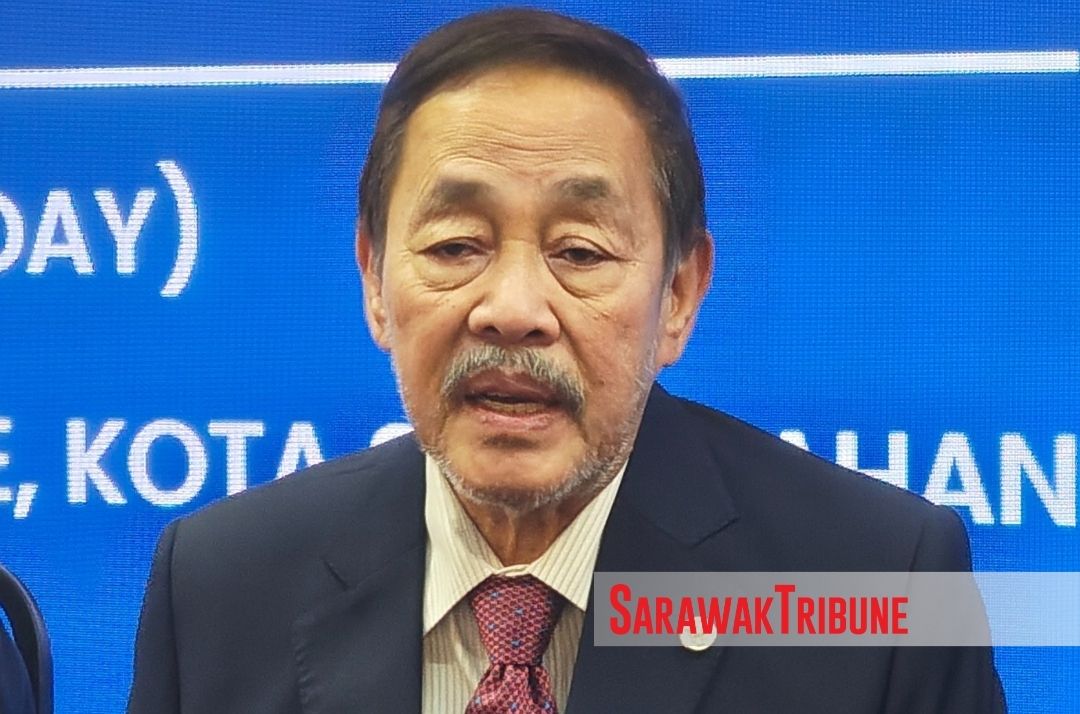
Education, Innovation and Talent Development Minister, Datuk Seri Roland Sagah Wee Inn, said early exposure through preschools and play schools had familiarised children with social interaction and learning routines.
He said this exposure meant children aged four or five were generally capable of adapting to classroom learning.
“It was the same during my time. We entered school at six, even during the British administration. There is no harm in that.
“Many parents now send their children to day care or play schools, where they are exposed to early learning activities alongside social interaction. By the time they are four or five years old, most should be able to adapt to formal schooling,” he said.
Sagah told reporters this during a press conference after officiating the SMD-CENTEXS Digital IC Design Semiconductor Mastery Programme at SMD Academy here today (Jan 23).
Addressing concerns that children in rural areas might be less prepared, he said access to early education had expanded significantly over the years.
These included kindergartens established by the Community Development Department (KEMAS) as well as state-supported programmes such as SeDIDIK.
“Of course, nobody can meet all sorts of circumstances because of many other factors. But I think the majority of people should be ready for it,” he added.
On the reinstatement of a Year Four centralised assessment, Sagah said the move could help identify learning gaps earlier and allow intervention before problems became entrenched.
He said waiting until Primary Six or Form Three to detect literacy issues often came too late, stressing that the assessment was intended as a guide rather than a punitive measure.
“It does not mean failing students will be expelled. It gives us an indicator of what intervention programmes are needed,” he said.
Beginning next year, parents will have the option of enrolling children into preschool at age five and Year One at age six.
The move forms part of the return of a centralised national assessment system for primary schools under the National Education Blueprint (RPN) 2026-2035, launched recently by Prime Minister Datuk Seri Anwar Ibrahim.