SARAWAK’S food security agenda places strong emphasis on increasing the self-sufficiency level (SSL) in rice and beef, with targets of achieving 60 per cent and 25 per cent respectively by 2030.
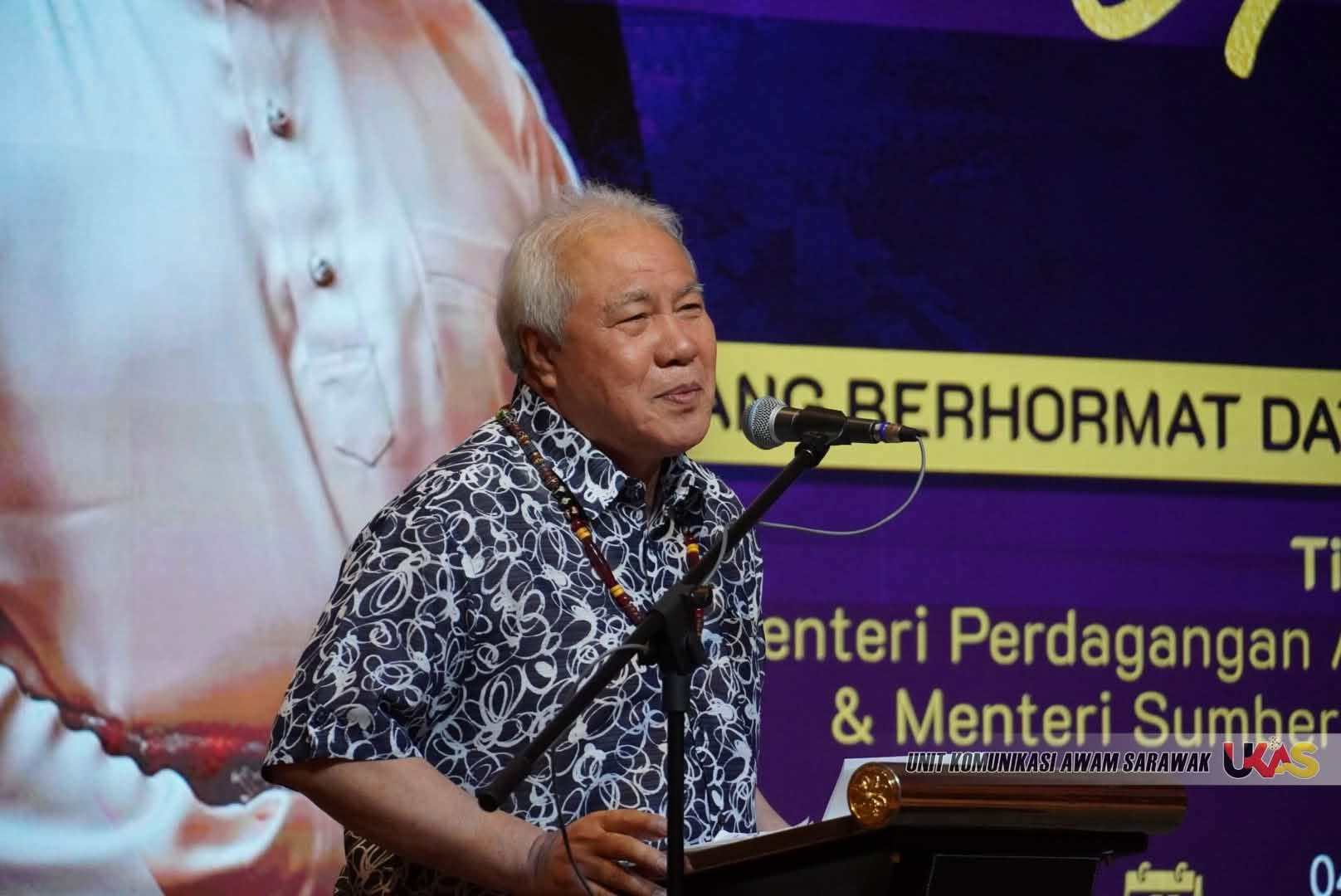
Deputy Minister for Food Industry, Commodity and Regional Development, Datuk Martin Ben, said the strategy focuses on strengthening domestic food production, enhancing public-private collaboration, expanding food production areas and adopting digital technologies.
He noted that progress in the paddy and rice industry has been encouraging through initiatives such as the gazettement of paddy cultivation areas, development of irrigation infrastructure and the use of high-yielding seeds.
“The ministry has identified 15,000 hectares for commercial paddy cultivation, with over 2,300 hectares already gazetted.

“Meanwhile, cattle and buffalo populations have grown to 21,024 heads through structured breeding and Good Animal Husbandry Practices (GAHP),” he said.
He was responding to Serembu assemblyman, Datuk Miro Simuh, during Q&A session today.
Despite the progress, Martin highlighted several challenges affecting the long-term effectiveness of these strategies, including fragmented land ownership and rising input costs.
“Poor rural infrastructure, inadequate processing and marketing systems, as well as low technology adoption and skills gaps also remain significant hurdles,” he said.
According to Martin, fragmented land ownership has contributed to higher production costs and inefficient output, while rising prices of agrochemicals, fertilisers and animal feed have further burdened producers.
He added that inadequate rural infrastructure has led to post-harvest losses, while weak processing and marketing systems have reduced the value of agricultural output.
“The ministry has undertaken several initiatives, including consolidating fragmented land through cooperative or cluster farming, expanding dedicated farming areas and strengthening public-private partnerships for commercial food production projects and downstream industries,” he said.
He added that the ministry is also improving access to low-interest financing for small and medium enterprises (SMEs), enhancing infrastructure and supply chains, and accelerating technology adoption and skills development through smart farming and digital training programmes.