Ethical leadership across borders
IN an increasingly interconnected world, the concept of ethical leadership holds significant weight, especially across borders where regulatory environments differ vastly.
Ethical leadership can be defined as the ability to guide an organisation or community in a manner that is consistent with ethical principles and values.
It involves making decisions that uphold integrity, responsibility, and fairness, even when external pressures may urge otherwise.
As organisations expand their operations globally, leaders frequently grapple with the challenges of maintaining ethical standards amidst varying cultural norms and legal frameworks.
When we think about ethical leadership, we often envision a straightforward alignment with moral principles — to do what is right simply because it’s right.
However, the reality is far more complex, particularly as leaders contend with cultural differences, regulatory inconsistencies, and the global business climate’s inherent uncertainties.
For instance, what is deemed ethical in one country may not resonate in the same way in another.
This divergence can lead to ethical dilemmas as leaders must navigate the chasm between local customs and global ethical standards.
Data shows that 60 per cent of consumers are willing to pay a premium for products from companies committed to positive social and environmental impact.
This statistic highlights the demand for ethical considerations in business operations worldwide. Consequently, organisations must strive to establish a cohesive ethical framework that transcends regional practices while respecting local norms.
For example, consider the global operations of multinational corporations like Nestlé. The company has faced criticism regarding its marketing of infant formula in developing countries, drawing attention to the delicate balance between ethical responsibilities and local practices.
On one hand, Nestlé’s policies are framed within global ethical standards aimed at health and well-being. On the other hand, local customs and regulatory environments vary widely, creating tension between ethical practices and business operations.
This living example illustrates the ongoing struggle leaders face when attempting to align their organisations’ ethics with diverse cultural expectations and regulatory frameworks.
Another prime example of ethical leadership grappling with cross-border challenges is Unilever, a multinational consumer goods company.
Unilever prides itself on its commitment to sustainability and ethical practices; however, it has faced multiple challenges across different markets.
In some regions, the regulatory environment is less stringent, allowing competitors to engage in practices that may be legal but ethical.
For example, in certain countries, suppliers might cut costs by neglecting labour rights, which directly conflicts with Unilever’s global values of fair treatment and employee rights.
To tackle this, Unilever has implemented stringent supplier guidelines and conducted extensive audits.
By holding its suppliers accountable, Unilever demonstrates that ethical leadership is not just about compliance with local law but about adhering to a global standard of ethics.
This commitment serves to enhance its brand reputation while ensuring that it remains a leader not only in market share but also in ethical business practices.
Operating in a global marketplace introduces a variety of challenges. Ethical leaders must confront regional differences in labour rights, environmental standards and corporate governance.
In some nations, labour exploitation and inadequate environmental protections are commonplace while others have robust regulations safeguarding human rights.
For instance, the fashion industry is notorious for its complex supply chains spanning multiple countries. Reports indicate that one in six individuals worldwide works in the fashion sector, yet many face dire working conditions.
Ethical leaders within major fashion brands must grapple with the moral ramifications of sourcing from countries with lax labour laws, weighing the dilemma between cost efficiencies and their duty to uphold ethical practices.
In addressing these challenges, human responsibilities come into play. Leaders are not merely tasked with achieving financial success but are also called to advocate for the welfare and dignity of their employees and communities.
This extends beyond compliance with local laws; it requires a commitment to fostering a culture of ethical awareness and action across all levels of the organisation.
The duty of leaders extends beyond mere profitability; it incorporates a deep-seated responsibility toward society and the environment.
Ethical leadership aligns closely with the concept of corporate social responsibility (CSR), which advocates for businesses to operate responsibly concerning their stakeholders.
Good ethical leaders foster a culture of respect, inclusion and integrity, which resonates with the fundamental human duties of fairness and justice.
To maintain ethical standards across borders, leaders must engage in continuous education about the cultural, legal and social intricacies of the regions they operate in.
By appreciating diverse perspectives, they can better navigate challenges while upholding their principles.
This aligns the organisations’ actions with universal values of human dignity and respect.
As organisations continue to expand their global footprints, the need for ethical leadership that respects and navigates these complexities becomes evident. Here are five reflective questions that leaders can consider:
How can we establish a universally accepted ethical framework that considers local cultural sensitivities?
In what ways can we enhance transparency and accountability within our global operations?
How do we ensure the voices of local stakeholders are heard and considered in our ethical decision-making?
What measures can we implement to encourage ethical behaviour among our employees, regardless of their geographic location?
How can we balance competitive pressures with our commitment to ethical leadership in diverse markets?
In closing, dear leaders, we envision a future where ethical leadership across borders becomes the norm rather than the exception.
We hope to inspire leaders to introspect on their practices and to prioritise ethical considerations amidst the complexities of global operations.
Our message to leaders is clear: the cornerstone of successful global business today lies not only in compliance with regulations but in nurturing a profound commitment to ethical principles that transcend geographical borders.
By embracing these values, leaders can forge pathways toward sustainable business practices, fostering trust and loyalty among stakeholders worldwide.
Let us embark on this journey toward ethical leadership together, shaping an enterprise culture that respects human dignity and champions integrity.
In doing so, we contribute not only to our organisations’ success but also to a more responsible and equitable global business landscape.
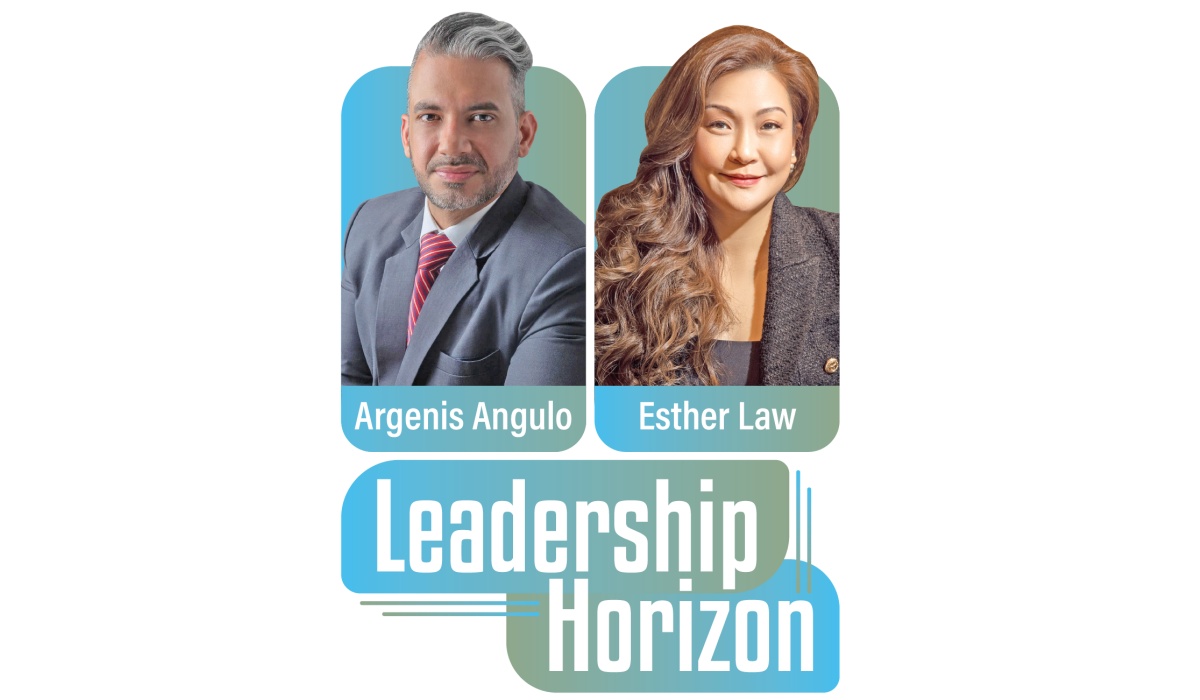
The views expressed here are those of the writers and do not necessarily represent the views of Sarawak Tribune. The writers can be reached at argenisangulo@gmail.com and lawleepoh@gmail.com.