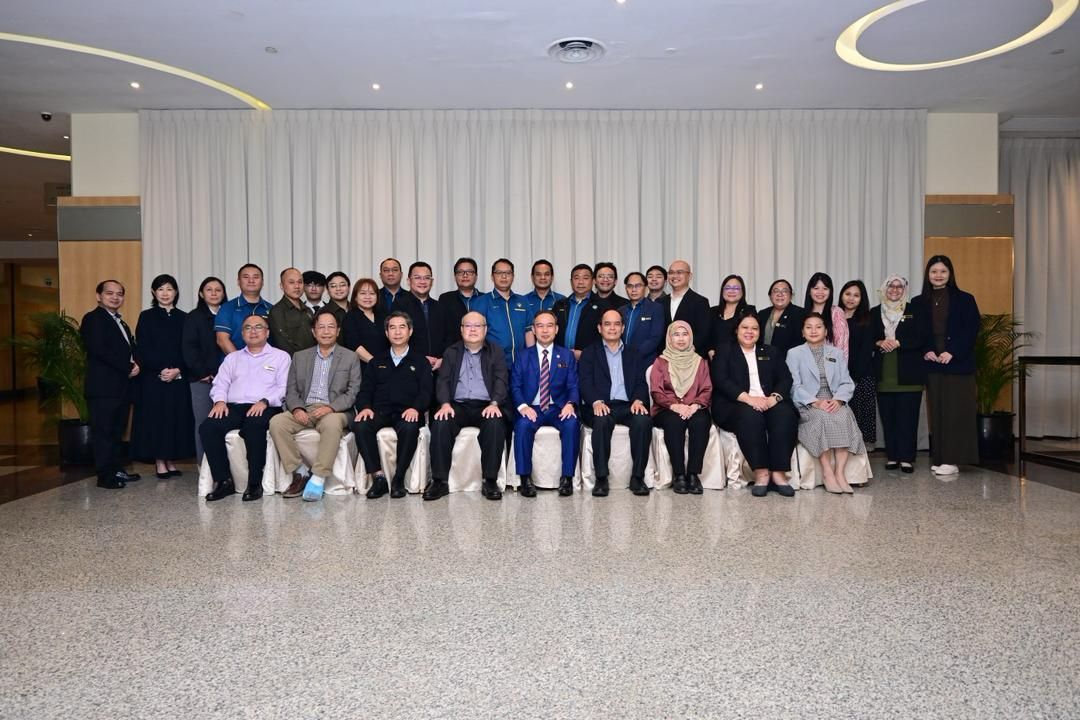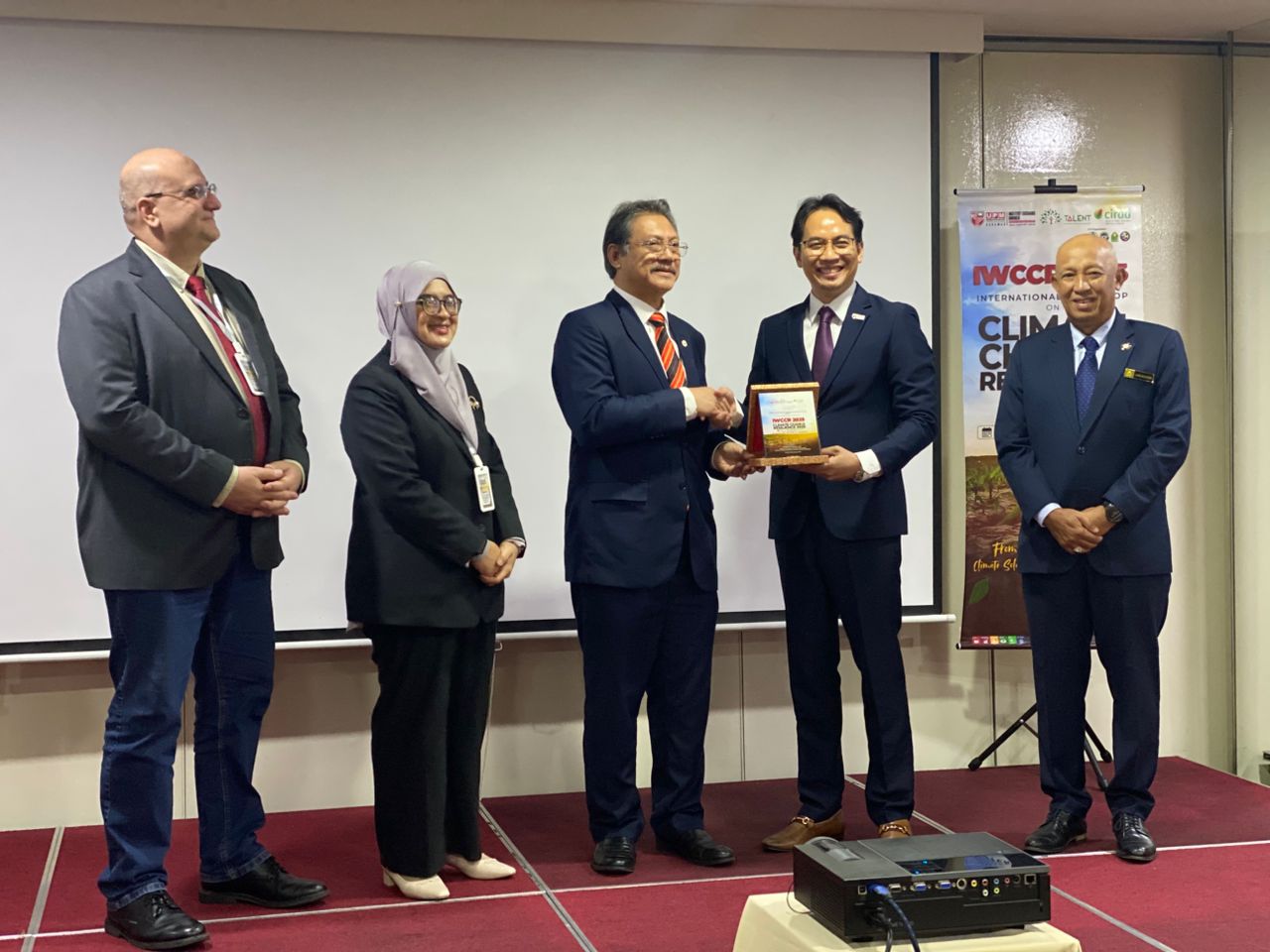
KUCHING: Sarawak is turning to agroforestry and regenerative agriculture as central strategies to enhance climate resilience while generating new revenue.
Deputy Minister for Energy and Environmental Sustainability, Datuk Dr Hazland Abang Hipni, shared insights from his recent participation at COP30 in Brazil, where global leaders discussed sustainable land management and forest preservation.
“In Brazil, they were talking about agroforestry, how to do agriculture in the forest without disturbing the forest.
“They also discussed regenerative agriculture, how soil can be improved and regenerated through biochar or other technologies,” he said during the International Workshop on Climate Change Resilience (IWCCR) 2025 here yesterday.
He stressed that such initiatives offer opportunities for Sarawak to strengthen its environmental stewardship while boosting economic benefits.
“We are very happy to receive suggestions, comments and ideas so that together, we can improve how we mitigate climate change and create new revenue,” he said.
Dr Hazland also highlighted the Sustainable Resource and Waste Management Ordinance 2025 and the Environment (Greenhouse Gases Emission Reduction) Ordinance 2023, noting the introduction of the carbon levy.
“One of the most important components of our environmental strategy is the carbon levy,” he said.
“It allows us to mitigate climate change and also generate substantial revenue for Sarawak.”
He also highlighted a United Nations Framework Convention on Climate Change (UNFCCC) green bond initiative, which rewards countries that maintain their forests.
“Countries with a lot of forests, like Brazil, Indonesia, Congo, Malaysia, Thailand, should be rewarded for protecting them,” he added.
Dr Hazland also praised the main organiser, the Institute of Ecosystem Science Borneo at Universiti Putra Malaysia (UPM), for their contributions.
“UPM is the best institution to focus on this issue, especially because they are deeply involved in forestry and agriculture.”