KUCHING: The upcoming 2026 National Budget will be a test of the federal government’s commitment to addressing longstanding demands for greater recognition and equitable development for Sarawak and Sabah.
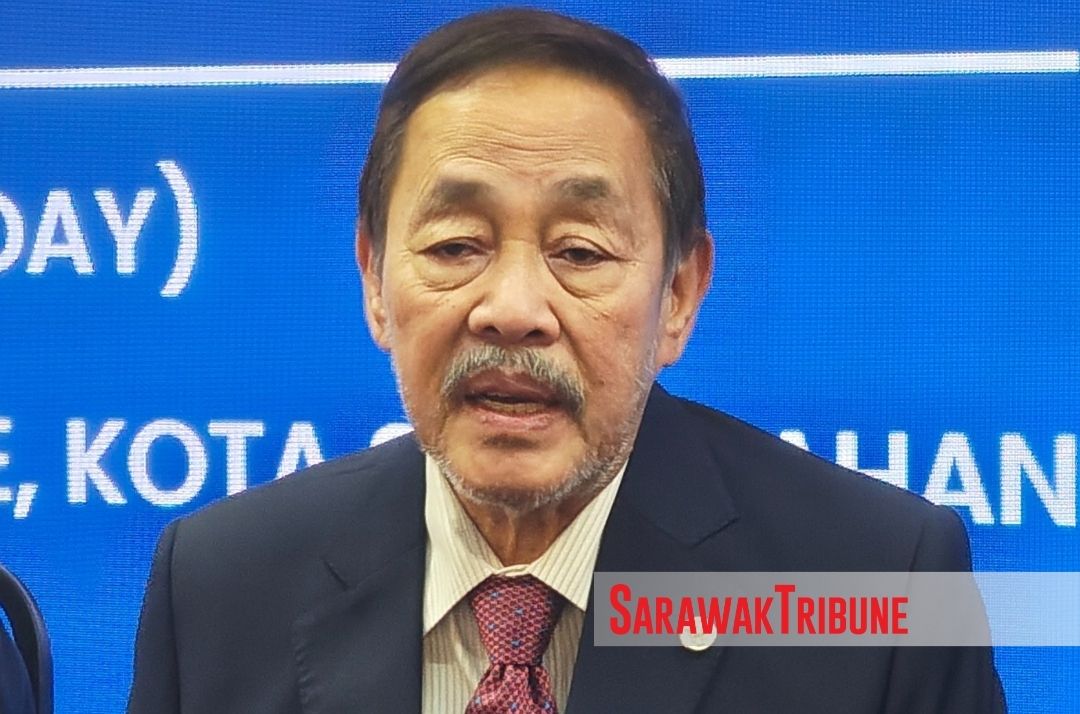
Independent Council of Natives (ICON) founder Bill Jugah believes Putrajaya will likely tailor the budget to ease the rising political and socio-economic pressure from the Borneo states, but cautioned Sarawakians to remain attentive to the details of federal commitments.
“We Sarawakians should not falter and not succumb to vague promises.
“The budget should reflect real, tangible commitments not just statements meant to de-escalate tension,” he told Sarawak Tribune.
He also called on local non-governmental organisations (NGOs) to recognise their crucial role as the people’s voice of check and balance, ensuring that federal allocations are effectively implemented on the ground.
Among ICON’s key expectations for the 2026 Budget is increased funding and capacity-building allocations for NGOs, particularly those working with rural and remote communities in Sarawak and Borneo.
Bill emphasised the need for project grants, matching funds, and infrastructure support for NGOs engaged in education, rural development, local enterprise and environmental sustainability.
“Local NGOs are often the ones delivering services in areas that are difficult to reach. Strengthening them means strengthening communities,” he added.
Bill also urged the federal government to prioritise rural infrastructure, connectivity and basic services, stressing that many communities in Borneo continue to lag behind urban centres.
Key areas highlighted include last-mile infrastructure such as roads, bridges, clean water and electricity, along with healthcare access, education and digital connectivity for marginalised groups.
Bill pointed out that past budgets often fell short at the implementation stage, with underfunded civil society, urban-centric allocations, short-term projects, bureaucratic delays and leakage issues.
He proposed transparent budget lines and public dashboards to allow NGOs to monitor fund disbursements, along with formal government–NGO partnerships and co-funding schemes to ensure allocations translate into real impact on the ground.
“We want transparent, accountable budgeting where communities can see and measure the impact. That is the only way to build trust,” he said.
He called for regular stakeholder consultations and simplified application processes to encourage more local NGOs to participate in national development programmes, particularly in remote areas where they often serve as the primary link between communities and government.
Bill said that with genuine commitment and structured collaboration, Budget 2026 could set the stage for a more balanced and inclusive development model for Sarawak and Sabah.
“This is not just about money. It’s about political will, transparency and partnerships that truly uplift communities,” he added.