SOME business stories begin with a product.
However, Andy Kho’s begins with a point of view: that a Sarawak-based company can move beyond common local supplies, compete on international standards and still keep home at the centre of the story.
Kho, the Chairman of AHE Group, said his goal has been to place Sarawak firmly on the world map and propel the image of Sarawak-born companies as innovative leaders.
“My goal has been to place Sarawak firmly on the world map and propel the image of Sarawak-born companies as innovative leaders.”
A niche built on Japanese standards
Kho said AHE Group was established in 1974 as a trading company, starting out by holding the sole agency for two large Japanese wall coverings manufacturers that were already more than a century old.
He framed the early business instinct as choosing specialisation when others stayed with what was common.
“The missed opportunity others had was the focus on high-quality, specialised, international (Japanese) building materials, moving beyond common local supplies and pioneering a niche.”
That niche did more than define what AHE sold.
It shaped how he learned to judge materials and workmanship.
He said his earliest hands-on exposure came through those Japanese manufacturers and later through application works in Borneo, where the emphasis on quality came from being associated early with a century-old brand.
“The emphasis on quality came from this early association with a century-old brand.”
Quality as a rule, not a slogan
For Kho, that early exposure later became operational discipline.
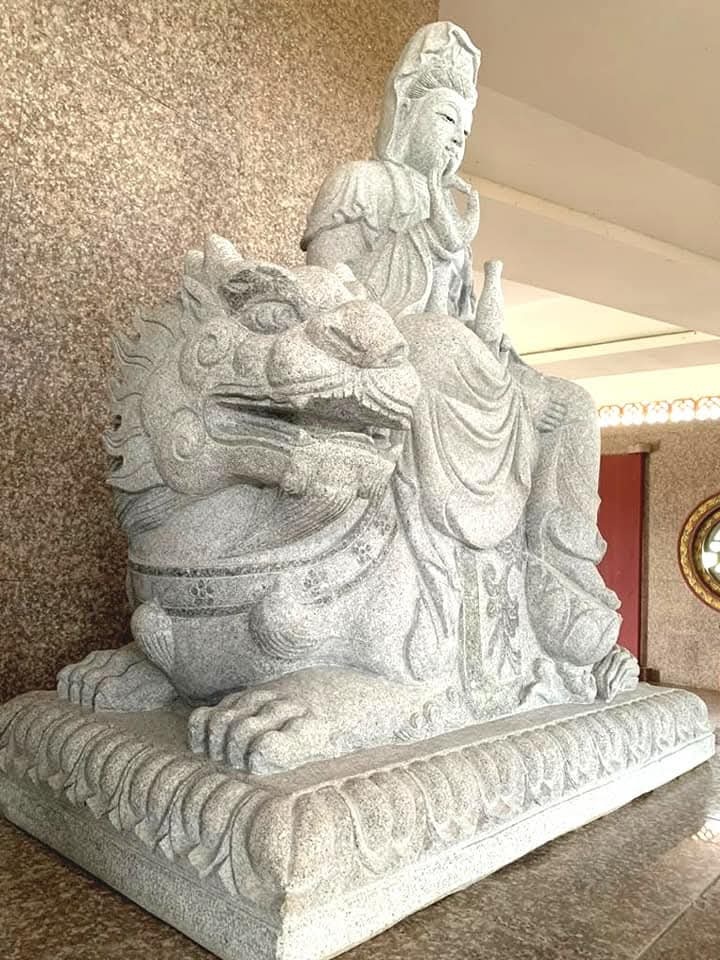
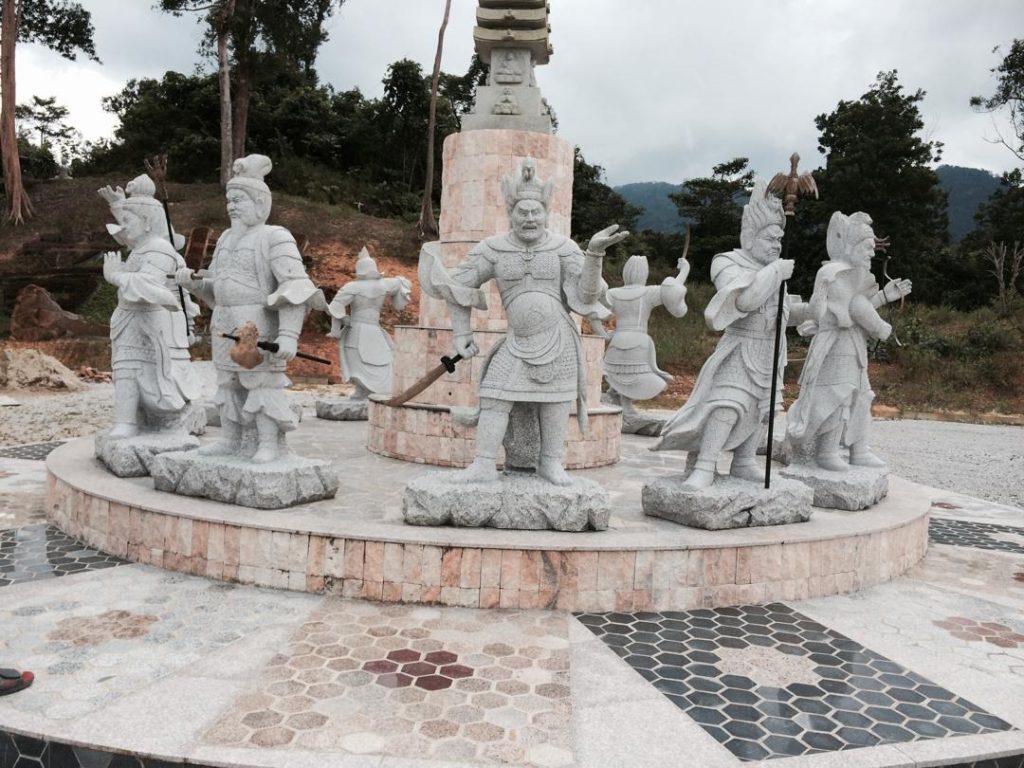
He said the lesson translated into action when AHE moved stone operations to Fujian, China in 1997 and produced architectural stones under Japanese QAQC.
“The quality lesson translated into action later, as the company moved to produce architectural stones under Japanese QAQC (Quality Assurance/Quality Control) after moving operations to Fujian, China, in 1997.”
He said the standard stayed the same as the business expanded.
“The company’s core focus is the fabrication of quality architectural stoneworks. This dedication to quality is non-negotiable across all products, whether made in China or supplied into Sarawak.”
From Kuching to Beijing
Kho said the turning points towards becoming a group and international operation included the founding of AHE Ceilings Sdn Bhd in 1983.
“In 1985, a factory in Beijing, China was set up and we invested in a slate quarry for exports.”
He said the Beijing factory and slate quarry investment marked AHE’s move into cross-border manufacturing for export.
Fujian, 1997: the pivot
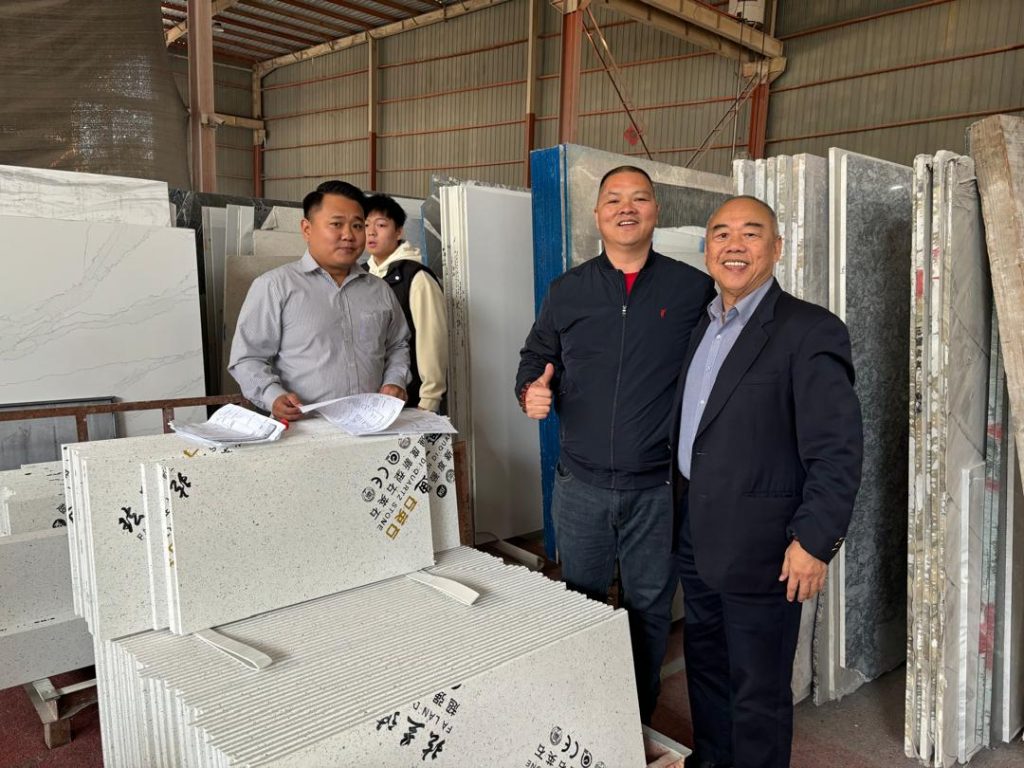
After the Beijing move in 1985, Kho said the next major shift came in 1997, when the Group restructured and relocated its stone operations to Fujian, China, in response to the Southeast Asia Economic Crisis.
“This was done in direct response to the Southeast Asia Economic Crisis.”
He said the move was strategically backed by increasing demand in Japan for architectural building stones and by the commitment to produce under stringent Japanese QAQC for both Japanese and Malaysian export markets.
“The move was strategically backed by the increasing demand for architectural building stones in Japan and the commitment to produce under stringent Japanese QAQC for both the Japanese and Malaysian export markets.”
He said the decision carried both constraint and opportunity.
“Constraint: The decision to relocate stone operations to Fujian, China, in 1997 was driven by the need to respond to the Southeast Asia Economic Crisis.”
“Opportunity: The move was specifically aimed at capitalising on the increasing demand for architectural building stones in Japan.”
He said operating quarries and production plants in China also gave the Group total control to schedule timely production for projects.
“Operating quarries and production plants in China also gave the Group total control to schedule timely production for projects.”

The first batch came early
Asked what surprised him most early on in China, Kho pointed to the pace and commitment he witnessed on the ground.
He described seeing finished goods produced ahead of schedule as overwhelming, and said it immediately changed his sense of capacity.
“The work ethics and workers’ commitment in China amazes me and it was really overwhelming after seeing the first batch of finished goods produced ahead of the scheduled time of completion.”
He said the efficiency of labour intensive production made him realise the group could capture and fulfil overseas demand more confidently than before.
“Acknowledging how efficient the labour intensive production can be, I knew that I have the capacity to capture and fulfill the demand overseas.”
Home stays in Kuching
Kho said AHE Group is headquartered in Kuching, and he linked the company’s outward reach to a consistent home focus.
He said Sarawak remains the centre through the group’s headquarters in Kuching, its drive to advance quality products locally and globally, and its stated aim to protect local community interests.
“The Group’s vision is to advance the use of quality products locally and globally, while protecting the interests of the local communities.”
He also described another way the Group builds relationships across borders.
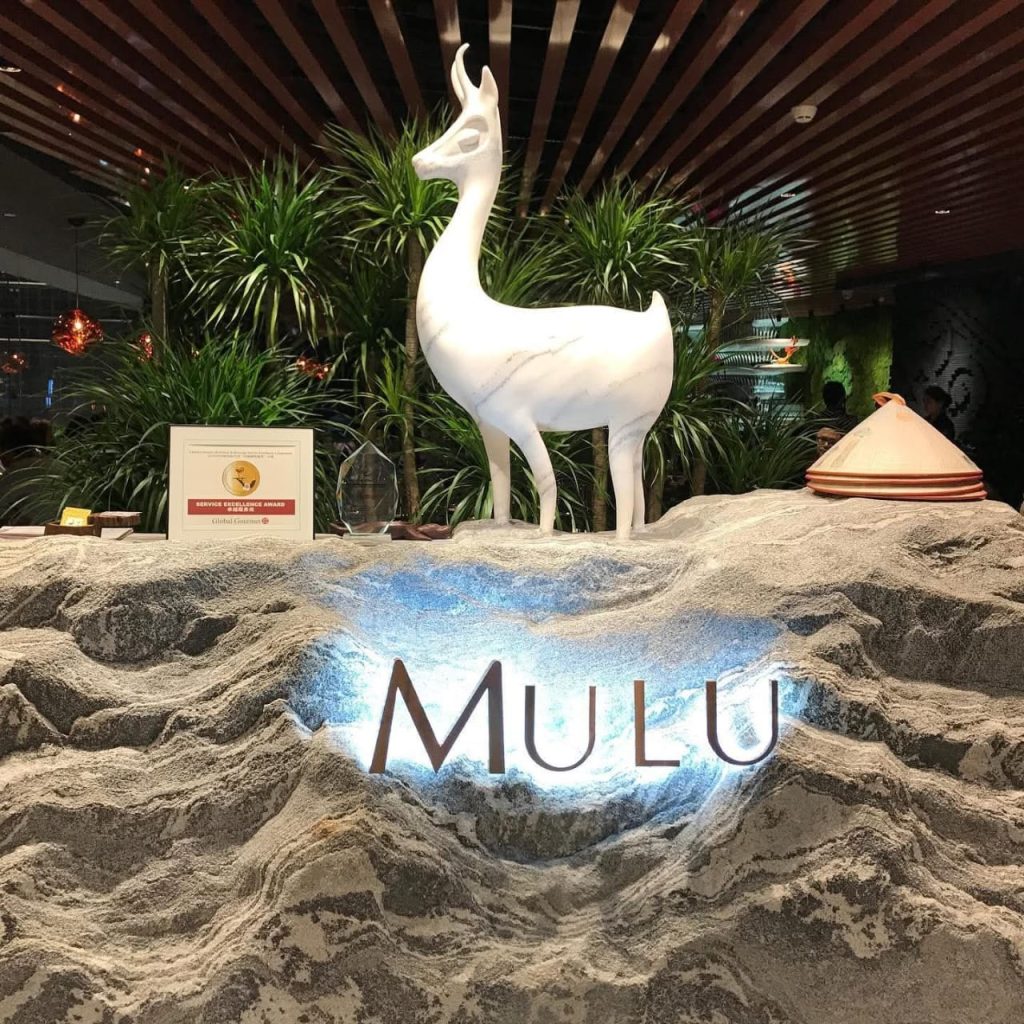
He said the establishment of the fine-dining restaurant MULU in Beijing was a strategic decision to offer a culinary and cultural experience and provide a platform for conducting business with distinguished clients.


Being the anchor
Kho framed leadership under pressure as resisting the pull of panic and keeping a longer horizon when others focus on the immediate crisis.
He described his role as being the anchor for the team.
“Leadership is about maintaining a long-term perspective when everyone else is focused on the short-term crisis. It is important that I must be the anchor for the team.”
On personal habits, he described persistence, confidence in foresight and constant planning as central to how he steadies himself and the organisation.
“Not giving up easily and firm confidence in my foresight and making all things possible. Nothing is impossible with strategic planning, in my dictionary. Continuously brainstorming on the next undertaking.”
The message to younger Sarawakians
Kho’s advice to younger Sarawakians was framed as proof by example.
He said a company headquartered in Kuching can reach global presence, distribute into more than 30 countries, and work with world renowned architects like Pelli Clarke & Partners.
“Being a company headquartered in Kuching, Sarawak, can achieve a global presence with distribution in over 30 countries and work with world-renowned architects like Pelli Clarke & Partners.”
He returned to the same pairing that runs through his answers: go global, but do not detach from community and home. Pursue excellence and international standards, but protect local interests and keep Sarawak visible in the story you are building.
“The core advice would be to pursue global business and excellence while always protecting the interests of the local communities and upholding the goal to place Sarawak firmly on the world map.”