KUCHING: Malaysia could extract more value from its existing oil and gas assets by adopting physics-native artificial intelligence (AI).
Industry experts said that smarter operations rather than bigger investments will shape the sector’s next phase of growth.
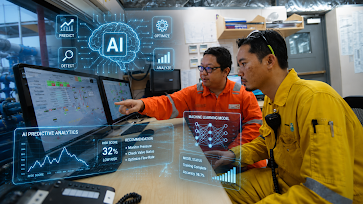
The technology combines engineering principles, physical laws, real-time operational data and simulation models to optimise industrial systems continuously, helping improve production, reduce emissions and strengthen energy security.
Managing partner of The Hive Southeast Asia Datuk Syed Haizam Jamalullail Putra Jamalullail and Geminus AI chief executive officer Greg Fallon said recent disruptions around the Strait of Hormuz had reinforced the need for more resilient energy systems.
They said Malaysia was well positioned to adopt the technology, citing its sizeable oil and gas reserves, established OGSE ecosystem and PETRONAS’ track record in technological innovation.
However, they argued that future competitiveness would depend on intelligence rather than investment alone.
“The next step is not simply more capital, it is better intelligence.”
The experts said physics-native AI continuously monitors equipment, predicts failures and optimises production in real time, making it especially effective for mature oil and gas fields where incremental efficiency gains can deliver meaningful commercial returns.
During a recent strategic roundtable in Kuala Lumpur, Geminus AI shared case studies showing a five per cent production increase at a Bahrain oilfield with about 1,500 wells and a 10 per cent uplift at a North Sea upstream operation.
At a United States refinery, the platform shortened model deployment from several months to about one hour and improved product yield by 1.5 per cent through optimisation every 15 minutes.
They added that the technology could also help Malaysia manage rising electricity demand from data centres while supporting the National Energy Transition Roadmap and the country’s net-zero emissions target by 2050.
Malaysia, they said, should also prioritise developing domestic engineering expertise so strategic energy data remains locally controlled while industrial AI capabilities expand into LNG, refineries, petrochemicals, hydrogen, CCUS, energy storage and advanced manufacturing.