RECAP: PART 1
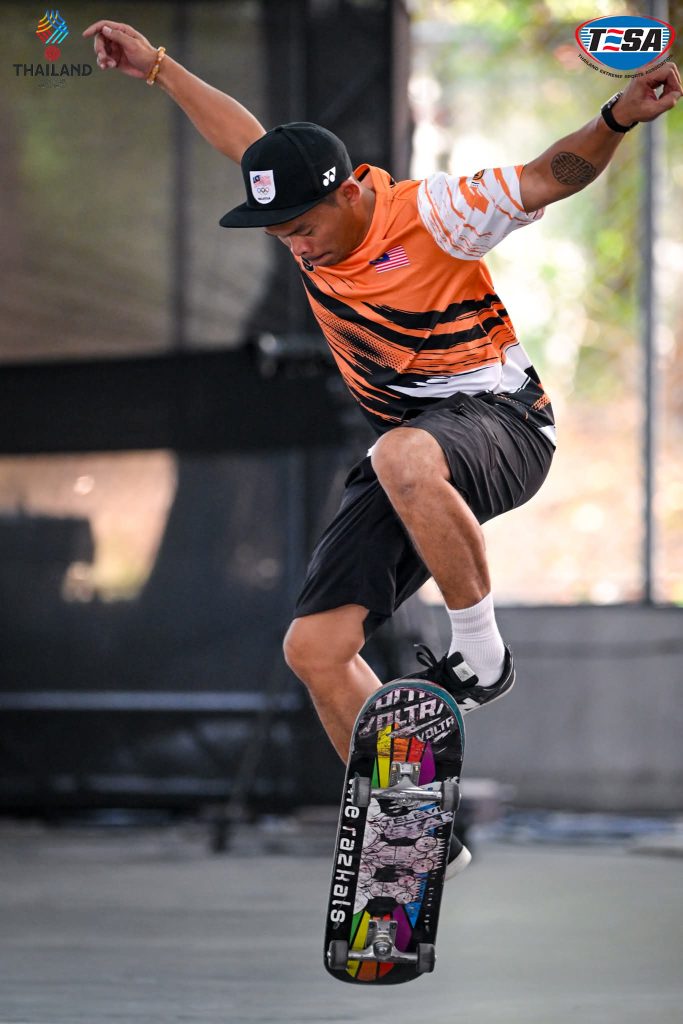
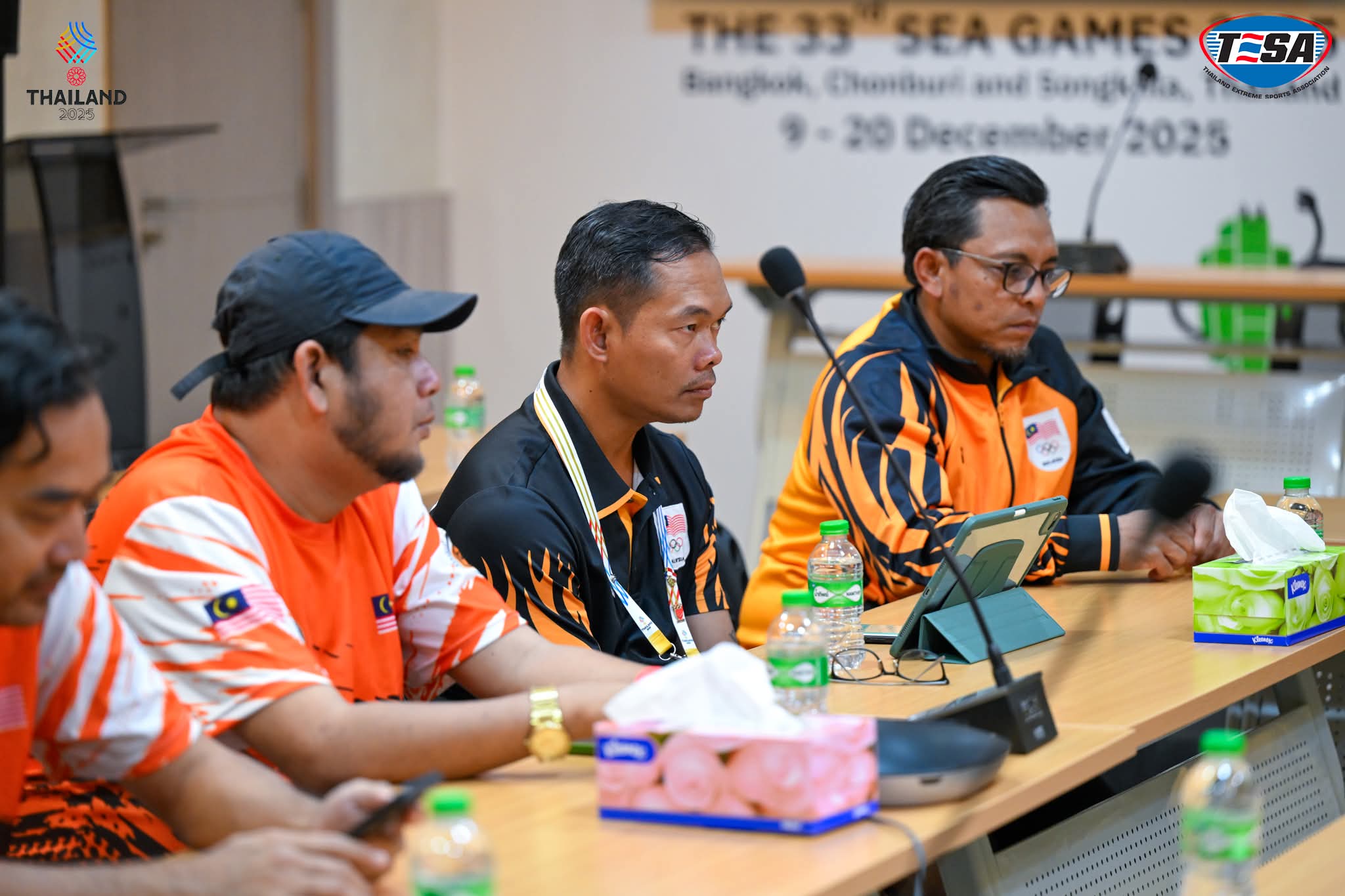
IN Bangkok last month, Joseph Romey Dures became the first Sarawakian to lead Malaysia’s national skateboarding team at SEA Games 2025. Despite limited infrastructure and just three days to learn the competition bowl, his young athletes – some as young as 10 – finished sixth to ninth across categories.
No medals came home, but they proved Malaysian skaters can compete internationally when given proper facilities. The question now: what did it cost Joseph to get them there?
KUALA LUMPUR: The social media attacks started before the team even left for Bangkok.
Why these skaters? Why not others? Who gave the Kuching native authority to decide Malaysia’s skateboarding future?
“I wanted to give up when I had so much negative feedback or comments about what I’m trying to do and who I have chosen for the SEA Games,” Joseph admits during our two-day conversation.
“I wanted to give up because I have explained so many times, but they just refuse to listen or refuse to understand the structure. And all they do is just slamming bad comments to me and my team.”
Malaysian netizens flooded social media. Parents questioned decisions. The skateboarding community – historically resistant to authority – pushed back hard.
“When people are giving bad comments to my team, it also reflects on my leadership, on my decision-making,” Joseph says. “Those are the kind of moments that really put me down.”
Yet he didn’t quit. Understanding why requires understanding the fundamental paradox: How do you professionalise a sport whose entire identity is built on freedom from authority?
THE RANKING REBELLION
In 2024, Joseph introduced something Malaysian skateboarding never had: a national ranking system. Skaters compete in sanctioned events. Results are tallied. Rankings inform team selections.
To Joseph, this was necessary infrastructure. To many in the community, this was betrayal.
“There are some parties who doesn’t understand the structure,” Joseph says. “And even though they have been explained to them, they refuse to follow.”
The resistance made cultural sense. Skateboarding emerged as a countercultural movement – kids rejecting organised sports, creating their own rules. Rankings and committees feel antithetical to skateboarding’s foundational ethos.
“I totally understand from subculture skateboarding perspective; they might not be interested in the pathway that we have created,” Joseph acknowledges.
“They are pretty rebellious. Skateboarding itself is an outlet that shows freedom. And they just want to skate and don’t want to be governed or controlled by some kind of organisation like what they think we are trying to do.”
But skateboarding isn’t just subculture anymore. It’s Olympic sport with career pathways. And accessing those opportunities requires meeting Olympic Council of Malaysia (OCM) criteria.
“Olympic Council of Malaysia is also one of the decision-makers for games that is as big as the SEA Games,” Joseph explains.
“They have their own criteria. One of it is that every skater has to have competed within six ASEAN countries within a one-year period and they should be in the top six place.”
Without ranking systems documenting international results, how do you identify who meets OCM criteria? Without verified results, how do you justify selections?
“The ranking that we introduced was only within Malaysia but the Olympic Council criteria…” Joseph trails off, letting implications speak for themselves.
This was Joseph’s impossible position: create structure to meet institutional requirements while preserving skateboarding’s rebel spirit.
WHEN IT GETS PERSONAL
The criticism Joseph could handle. What hurt was when attacks targeted his athletes – teenagers and a 10-year-old who’d done nothing wrong except get selected.
“People are giving bad comments to my team, especially to my team,” Joseph says, emotion evident.
“We know that our Malaysian netizens are very famous for blaming others and giving negative comments on social media,” he adds. “Those are negative support that we do not want to have. But it is happening.”
Beyond social media, Joseph juggled three interconnected challenges:
Money. “We can come up with a lot of programmes, but in order for us to execute them, money matters,” Joseph says. “We are only depending on government funds coming from the Ministry of Sports.”
The federation seeks corporate sponsorships, but convincing companies requires demonstrating legitimate athletic potential – which requires infrastructure – which requires funding. It’s circular logic trapping emerging sports.
Boundaries. “There should be a line between parents and coaches and also athletes,” Joseph says carefully. “When it comes to athletic advice or guidance, it should be left to the coaches.”
Professionalising means establishing boundaries that feel foreign in skateboarding’s historically informal culture.
“We do have support from the parents. But there are also negative supports. Sometimes it does feel like it’s very toxic scene when it comes to parents’ involvement,” Joseph bemoaned.
Injuries. “It’s hard to predict about injuries. It tends to happen, especially in skateboarding,” Joseph notes.
One athlete got injured close to SEA Games.
“We were really, really stressed. Like, oh my God, how do we do this? Who can we get as a substitute?” Joseph recalled.
They held off, focused on recovery, and thankfully the athlete healed enough to compete.
THE POWERHOUSE GAP
Joseph harbours no illusions about Malaysia’s regional standing.
“Thailand, Indonesia and Philippines, they are pretty much the powerhouse of skateboarding within ASEAN,” he acknowledges.
The gap exists on multiple levels – mentality and infrastructure.
“What makes them different is the mentality – that athlete mentality. I’m not saying that our athlete doesn’t have that mentality, but I think we are just starting to have that,” Joseph opined.
“They have a very structured programme, and this kind of discipline has been planted in them way longer than we have been.”
The powerhouses began serious investment when skateboarding entered Olympics.
“Ever since skateboarding was introduced in the Olympics, I think that’s when they started to have structured programmes,” Joseph said.
Then there’s infrastructure.
“Secondly, I think it’s the facility. The facility that they have is way better than what we have back in Malaysia. The skateparks that we have as of now are very recreational. It’s not world-class specs,” added Joseph.
But Joseph believes the gap is closable: “Even though we see a significant gap between the other top competitors, I believe with better training programmes and exposure, we can definitely catch up with them.”
WHAT KEPT HIM GOING
There were multiple moments when Joseph wanted to quit.
“Yes, there were few instances where I wanted to give up,” he admits.
What stopped him?
“What kept me going was knowing what is the goal that I’m trying to achieve here by doing all this,” Joseph says.
“I’m trying to create an ecosystem that can make the sports better, make it more structured, where everyone has the clarity on which path are they aiming for in skateboarding.”
It’s about building infrastructure – not just physical skateparks, but institutional frameworks – that will serve Malaysian skateboarding for decades.
“As long as I know and understand what I’m trying to do and believe in what I’m trying to do, I will keep on going,” Joseph affirmed.
Then came Bangkok.
“After all the struggles, after what have happened in Bangkok and seeing how my athletes have performed their very best, I’m so very proud of them,” Joseph reflects.
“The struggles were really worth it. And yeah, it just makes me want to do it more and better next time.”
Watching his athletes nail runs on layouts they’d seen three days prior – watching them attempt tricks demonstrating fearlessness despite their youth – it validated everything.
The ranking system worked. It identified legitimate talent. The structure prepared them despite infrastructure gaps. The pathway exists now, proven functional.
THE PARADOX RESOLVED
Can you professionalise rebellion? Joseph’s answer, demonstrated through action: You can professionalise pathways to rebellion.
Skateboarding’s rebel spirit doesn’t die because ranking systems exist. Kids will still skate street spots illegally, claim public spaces, reject authority. That’s skateboarding’s soul.
But alongside that rebellious culture, there can exist structured pathways for skaters who want more. Who want to represent their country. Who want careers, not just hobbies.
“We are trying to create a pathway to those skateboarders who actually wants to see how far they can bring skateboarding into their life or in their career,” Joseph says.
“Can they make skateboarding as their career? Can skateboarding be something that they can live on? So those are the things that I wish I had. So now I’m in the position that I could make a difference.”
Joseph isn’t forcing all skaters through his system. He’s creating the system for those who want it while leaving space for those who don’t. The pathway is optional. But it needs to exist.
Some skaters will never care about the SEA Games. They’ll skate for the pure love of it. That’s beautiful and valid. But for skaters who want what Joseph didn’t have access to – clear pathways to professional careers – he’s building infrastructure that makes those dreams achievable.
The backlash he endured? It’s the price of being first, of implementing the necessary change in a culture resistant to authority.
“There are so many gaps to be filled,” Joseph says, looking toward Malaysia hosting SEA Games 2027. “I tend to fill those gaps with a very structured manner, better ways for skateboarding to grow in our country.”
After Bangkok, Joseph knows it works. The rebels will keep rebelling. But for the skaters who want pathways, Joseph built them one. Even if it meant becoming public enemy number one to do it.
The ecosystem is being built, and when SEA Games 2027 comes to Malaysia, the foundation will be laid – not just for competition, but for the next generation who’ll benefit from structures they’ll take for granted.
That’s pioneer work. Build what doesn’t exist. Absorb criticism from those who don’t yet understand. Trust that future generations will benefit from present struggles.
Joseph Romey Dures absorbed those struggles. Both worlds can coexist now. He proved it’s possible, even when everyone said it wasn’t.
COMING UP: Part 3 – ‘The 2027 Question’: Can Malaysia build world-class skateboarding infrastructure before hosting the SEA Games at home?