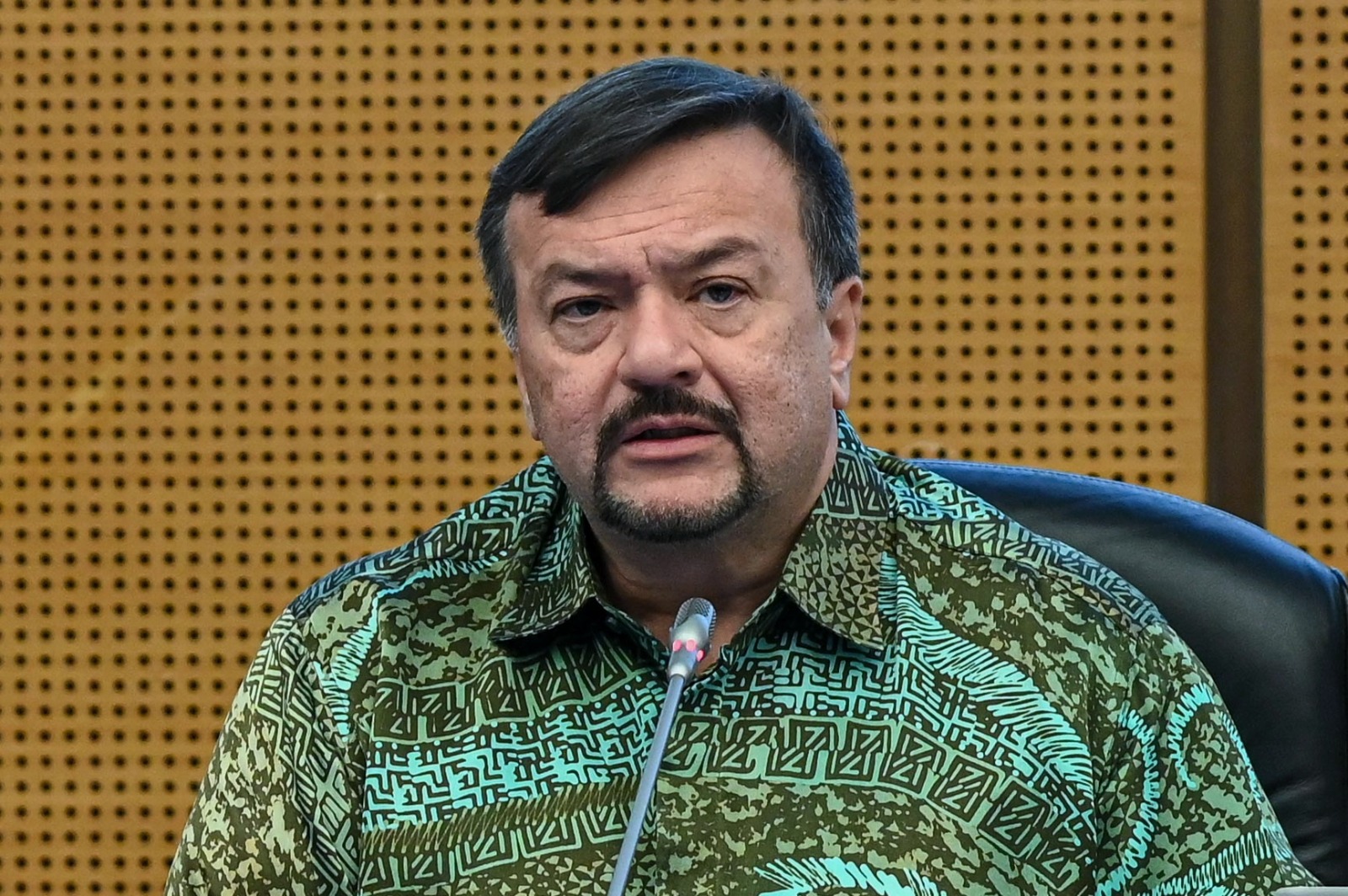
KUCHING: The reduction of travel time between Kuching and Sri Aman to about one hour could reshape where economic growth concentrates in Sarawak, potentially shifting investment patterns beyond the state capital, said Universiti Malaysia Sarawak (UNIMAS) senior lecturer Dr Dzul Hadzwan Husaini.
He said the shorter travel time should be viewed not merely as an improvement in mobility, but as a potential economic trigger with wider spillover effects.
“The announcement that travel time between Kuching and Sri Aman can be reduced to approximately one hour represents a major milestone in Sarawak’s infrastructure development.
“Efficient transport infrastructure not only enhances mobility but also acts as a critical catalyst for economic spillovers and the spatial rebalancing of growth across the state,” he told Sarawak Tribune.
Dzul said the improved connectivity could alter investor decision-making, particularly for heavy and high-impact industries, by expanding viable location options beyond Kuching.
“From an investment perspective, this corridor provides a strategic alternative for investors, particularly in heavy and high-impact industrial sectors.”
He said areas such as Sri Aman and Simunjan were becoming increasingly competitive due to lower land-related costs.
“Areas such as Sri Aman and Simunjan are increasingly competitive due to significantly lower land ownership, rental, and lease costs compared to core urban centres like Kuching,” he said.
According to Dzul, these cost advantages directly strengthen Sarawak’s investment appeal.
“These cost advantages enhance investor competitiveness and strengthen Sarawak’s position as an attractive investment destination.
“Moreover, the Kuching–Sri Aman alignment has the potential to evolve into a strategic economic corridor supporting industrial clustering, logistics development, and integrated supply chains.”
He added that improved accessibility could help firms reduce operating costs while improving efficiency.
“Improved accessibility allows firms to reduce operational costs and improve production efficiency, in line with the demands of a modern and competitive economy.
“From a socio-economic standpoint, this infrastructure development is expected to generate new business opportunities and employment, particularly in areas outside Kuching and in rural communities,” he said.
Dzul also pointed to the corridor’s potential role in addressing long-standing development imbalances in the state.
“Historically, Sarawak’s economic development has been concentrated in Kuching and Miri.
“This new corridor offers an opportunity to redistribute growth more evenly and promote inclusive development.”
Over time, he said, investment spillovers could help narrow income gaps between regions.
“In the medium to long term, investment spillovers along this corridor can contribute to narrowing income disparities across regions and between urban and rural populations.
“As areas outside Kuching become more strategic for investment, local communities stand to benefit from higher incomes, human capital development, and more sustainable economic opportunities,” he said.
He stressed that the project should be framed within Sarawak’s broader development strategy.
“Overall, the Kuching–Sri Aman corridor should be viewed not merely as a physical infrastructure project, but as a strategic economic intervention that supports Sarawak’s long-term goals of balanced, competitive, and inclusive development.”