A Recurring Environmental Challenge
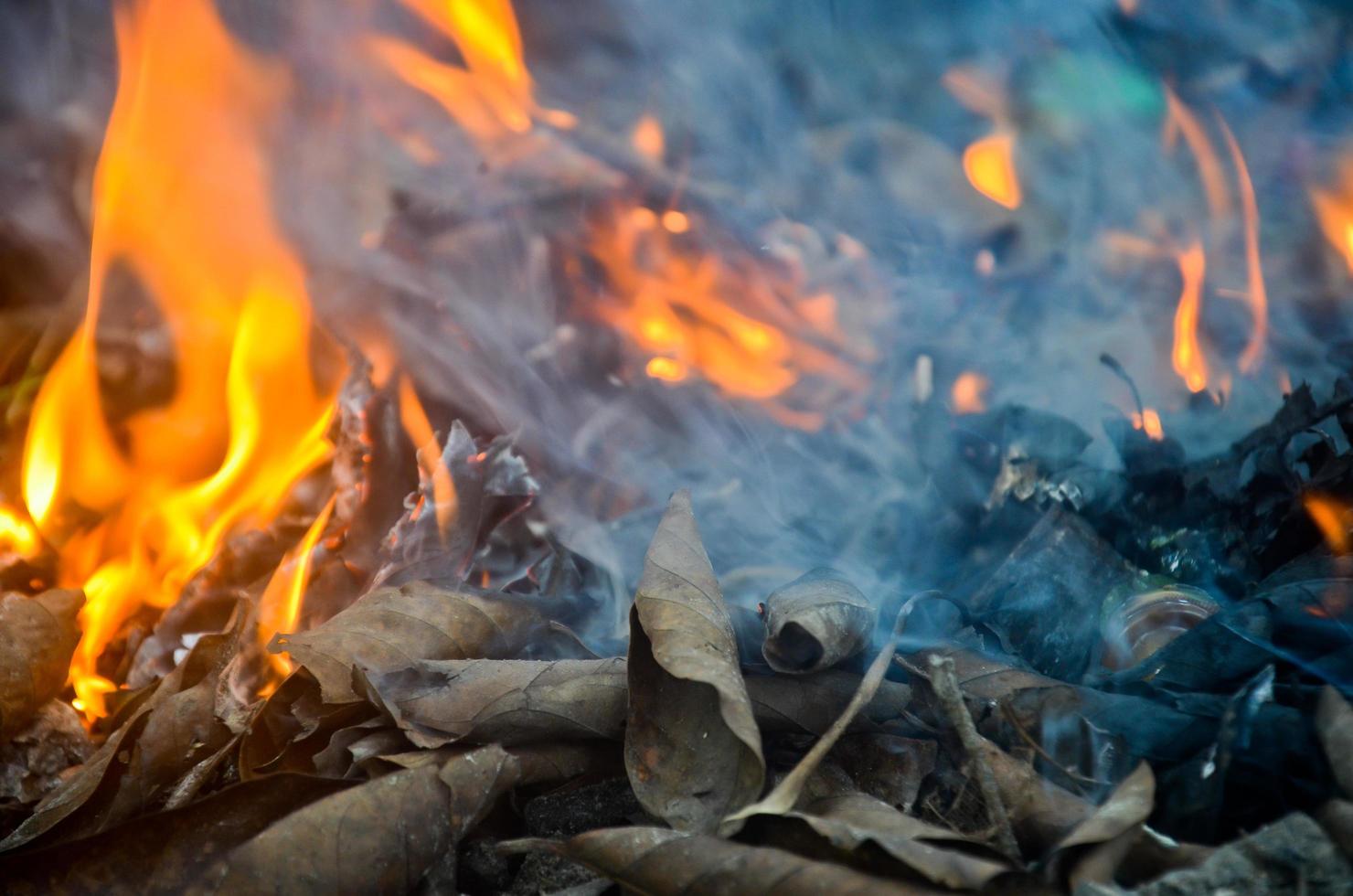
THE report in the Sarawak Tribune on March 28th, 2026, that a 400-hectare peat fire in Kuala Tatau and 174 cases of open burning recorded within just 12 days underscore a troubling reality in Sarawak. Despite the well-known dangers and tighter enforcement, open burning remains deeply entrenched. The recurring nature of the problem raises a critical question – is this simply negligence, or does it point to deeper structural challenges?
The Economics of Convenience
We agreed that at its core, open burning is driven by practicality. For many smallholders and rural farmers, it is the fastest and most cost-effective method of land clearing. In areas where access to mechanised equipment is limited or prohibitively expensive, fire becomes a tool of necessity rather than choice. A single burn can clear vegetation, eliminate pests, and prepare land for replanting within hours – a process that would otherwise take days of labour.
Regional Lessons: The Case of Indonesia
This pattern is not unique to Sarawak. Across the region, similar practices have long been observed, particularly in neighbouring Indonesia, where slash-and-burn agriculture has historically been used by both small-scale farmers and large plantation operators.
Indonesia’s experience also demonstrates the severe consequences of such practices. During the 2015 Southeast Asian haze crisis, widespread fires led to hazardous air quality levels, school closures, and significant economic losses across Southeast Asia, including Malaysia and Singapore.
Global Parallels: Brazil and India
Globally, open burning is widespread. In Brazil, land clearing fires in the Amazon drive deforestation and climate concerns (Fearnside, 2017). In India, seasonal crop burning worsens urban air pollution, especially in Delhi (Gupta & Kumar, 2019). These parallels show agricultural practices and economic constraints underpin the challenge.
Public Health Implications
From a public health perspective, open burning releases fine particulate matter that contributes to respiratory illnesses, eye irritation, and long-term cardiovascular risks. During haze periods, healthcare systems experience increased patient loads, particularly among vulnerable groups such as children and the elderly.
Environmental and Ecological Risks
Environmentally, the risks are even more severe in peatland areas like Kuala Tatau. Peat fires are notoriously difficult to control, as they burn beneath the surface and can spread undetected over large areas. These fires release significant amounts of carbon dioxide, undermining climate commitments and damaging fragile ecosystems.
Escalating Fire Hazards
There is also the issue of escalating fire risks. What begins as a controlled burn can quickly become unmanageable under dry and windy conditions. Firefighting resources – including manpower, machinery, and aerial support – are then diverted to contain fires that could have been prevented.
Legal Framework and Enforcement
Legally, the position is clear. Under the Environmental Quality Act 1974, Section 29A(1) expressly prohibits any person from allowing or causing open burning on premises or land without prior approval. In line with Section 29A(2), violations of this provision carry severe penalties – a fine of up to RM500,000, imprisonment for a term not exceeding five years, or both. Despite these stringent measures, enforcement must be sufficiently robust to eradicate the practice.
Bridging Policy and Practice
This suggests that the challenge lies not merely in regulation, but in transition. Sarawak, like many regions facing similar issues, must move toward a more balanced approach – one that combines enforcement with support mechanisms. Farmers need viable, affordable alternatives to burning. Without such options, compliance becomes difficult, if not realistic.
Pathways to Sustainable Solutions
Several pathways can be considered.
First, expanding access to subsidised or shared mechanised land-clearing services would reduce dependence on fire. Community-based equipment pools or mobile clearing units could offer practical solutions, particularly in remote areas.
Second, promoting sustainable agricultural practices such as composting and mulching can transform crop residue into valuable organic fertiliser. However, adoption requires training, incentives, and consistent outreach.
Third, leveraging technology – including satellite monitoring, drones, and early warning systems – can improve detection and response times, preventing small fires from escalating into large-scale incidents.
Fourth, enforcement strategies should be calibrated. While large-scale or repeated offenders must be dealt with firmly, smallholders require education and support to transition away from traditional practices.
Policy Lessons from Indonesia
Indonesia’s response to haze crises combined stricter enforcement with structural reforms. The ASEAN Agreement on Transboundary Haze Pollution (2002) set regional obligations, while Government Regulation No. 57/2016 imposed tighter peatland controls.
The Peatland Restoration Agency (BRG), created under Presidential Regulation No. 1/2016, led restoration and community engagement. These integrated measures, though imperfect, have reduced large-scale fires.
A Call for Balanced Action
Ultimately, as Sawal & Tsai (2016) observed at the International Peatland Congress, open burning in Sarawak reflects a complex intersection of economic realities, environmental responsibility, and policy effectiveness. Practitioners from the Natural Resources and Environment Board (NREB, 2025) similarly stress that punitive measures alone are insufficient, nor can the issue be dismissed as tradition.
Both studies highlight the need for coordinated approaches that balance farmers’ livelihoods with public health and sustainability. To avoid repeating regional cycles of haze, experts argue the focus must shift from reaction to prevention, enforcement to enablement, and short-term convenience to long-term resilience. Only then can Sarawak move beyond recurring headlines of fires and haze toward a more sustainable future.