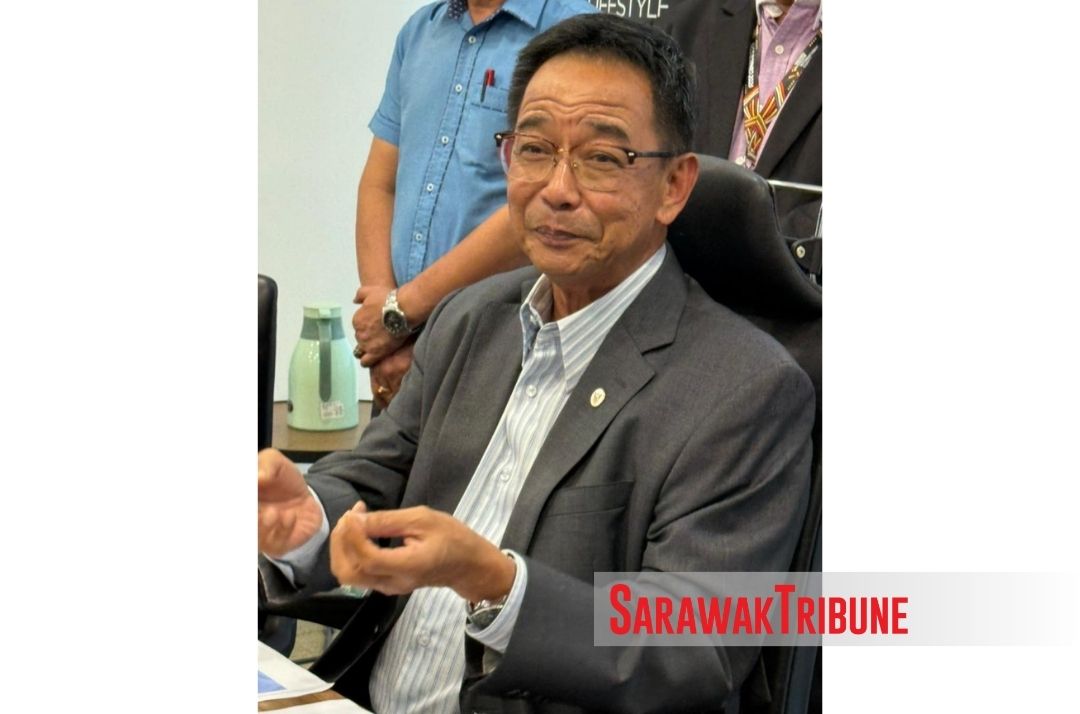
KUCHING: i-Legasi may let families tap Employees Provident Fund (EPF) Account II, but it could thin retirement buffers.
An EPF officer said an internal initiative referred to as i-Legasi is expected to be announced around Feb 1, amid public claims about allowing Account II support for family members.
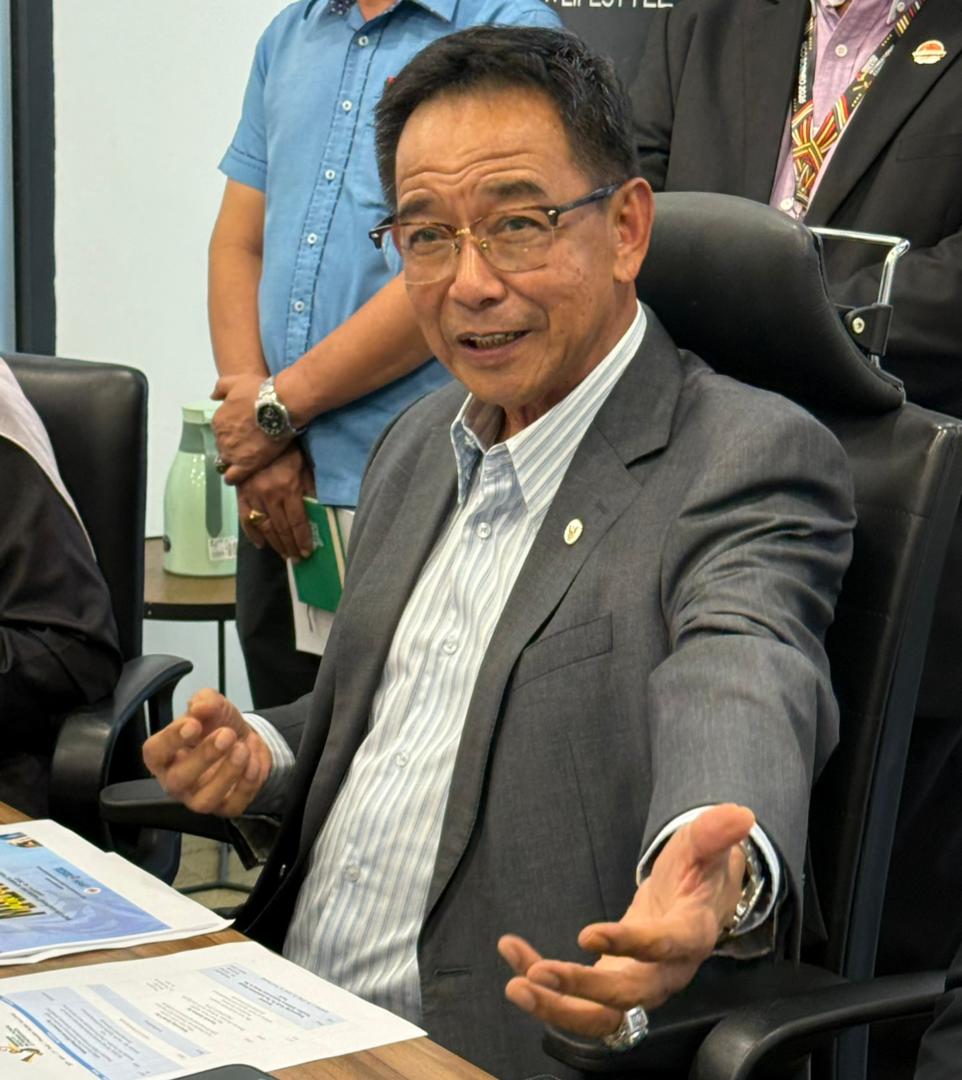
Swinburne University of Technology Sarawak Campus lecturer Nivakan Sritharan said the move, from a household finance perspective, would generally aim to help families manage short-term financial stress without forcing them into debt.
He added that many households, particularly within the B40 and M40 groups, operate with tight cash flows and limited emergency savings.
“Bank Negara Malaysia’s 2024 Financial Capability and Inclusion Survey found that 61 per cent of Malaysians would struggle to raise RM1,000 in emergency cash, up from 47 per cent in 2021,” he told Sarawak Tribune.
He said shocks such as medical bills, education costs, or temporary income disruption can push families towards borrowing.
“When unexpected expenses arise, such as medical bills, education costs, or temporary income disruption, families often rely on personal loans or credit cards.
“EPF dividends typically generate steadier returns of around 5 per cent to over 6 per cent annually, compared with personal loan interest rates that commonly range from about 5 per cent to more than 15 per cent per year.”
He said limited use of Account II to support immediate family members could act as a buffer, helping households avoid high-interest debt.
“Economically, the objective is to smooth consumption, prevent financial distress from escalating and reduce spillovers such as loan defaults or bankruptcy.”
He said the logic also reflects how households operate as family-based financial units rather than isolated individuals.
“At a broader level, such a mechanism reflects the reality that households function as family-based financial units rather than as isolated individuals.
“Surveys show that about 77 per cent of Malaysians expect to continue financially supporting children or elderly relatives even after retirement.”
He warned the main policy risk is retirement adequacy because Account II remains part of retirement savings.
“The primary policy risk is that retirement savings may be gradually eroded, leaving individuals financially vulnerable in old age.”
He said the risk rises if withdrawals become frequent or too flexible.
“If withdrawals for family support become too frequent or too flexible, members may reach retirement with balances that are insufficient to cover basic living and healthcare costs.”
He also flagged behavioural risks, including short-term decision-making and pressure within families.
“Easy access to retirement funds may encourage short-term decision-making, where immediate family needs take priority over long-term financial security.”
He said safeguards would determine whether flexibility undermines retirement adequacy.
“These include clear limits on amounts and frequency, so withdrawals remain occasional and targeted rather than routine.
“A narrow definition of eligible family members, such as immediate family only, to prevent misuse.
“Purpose-based restrictions, ensuring funds are used for essential needs like healthcare, education or basic support rather than discretionary spending.
“Explicit consent and transparency, so members clearly understand the long-term impact on their retirement savings before opting in.”
He said the scheme should be evaluated on a balanced set of indicators, not just usage.
“The success of such a policy should not be judged solely by how many people use it.”
He said take-up rates should be read carefully, because high take-up may signal vulnerability.
“Take-up rates will be important. Moderate usage may suggest that the scheme is helping households facing genuine financial stress.
“Very high take-up rates, however, could indicate widespread financial vulnerability rather than policy success.”
He said policymakers should also track withdrawal size, Account II balance trajectories, retirement adequacy outcomes and broader stress signals such as debt and arrears.
“The average amount withdrawn also matters. Smaller, targeted withdrawals suggest responsible use, while consistently large withdrawals may signal risks to retirement adequacy.”