“Knowledge that is taken but never returned is not wisdom.” – Sarawak proverb
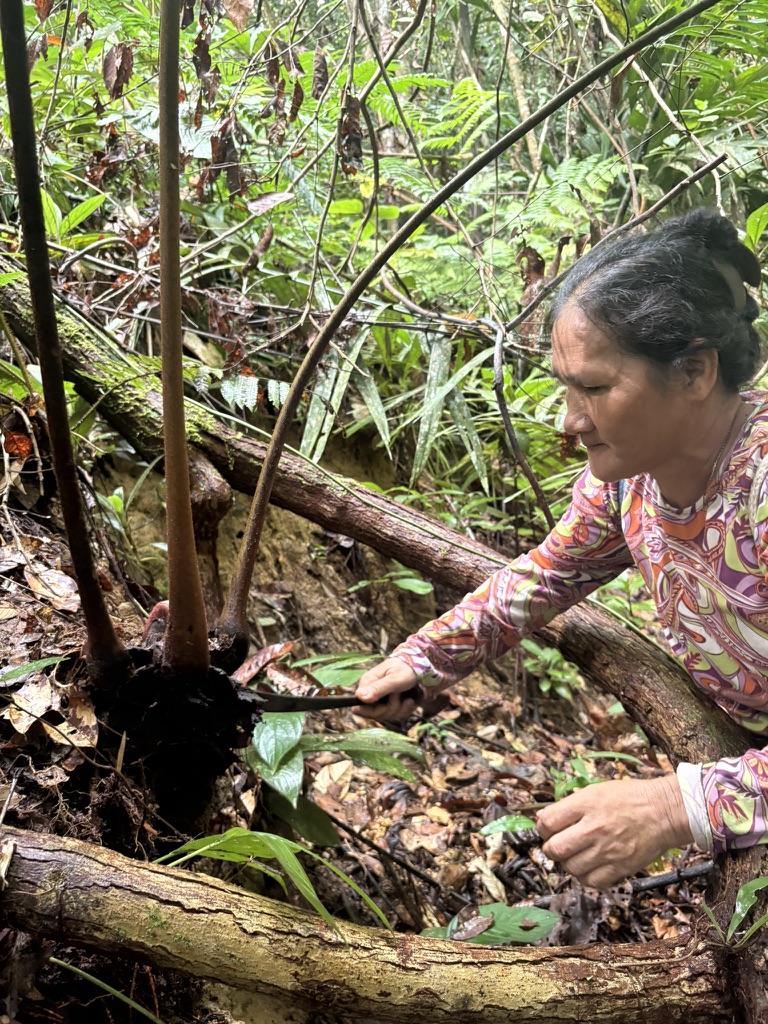
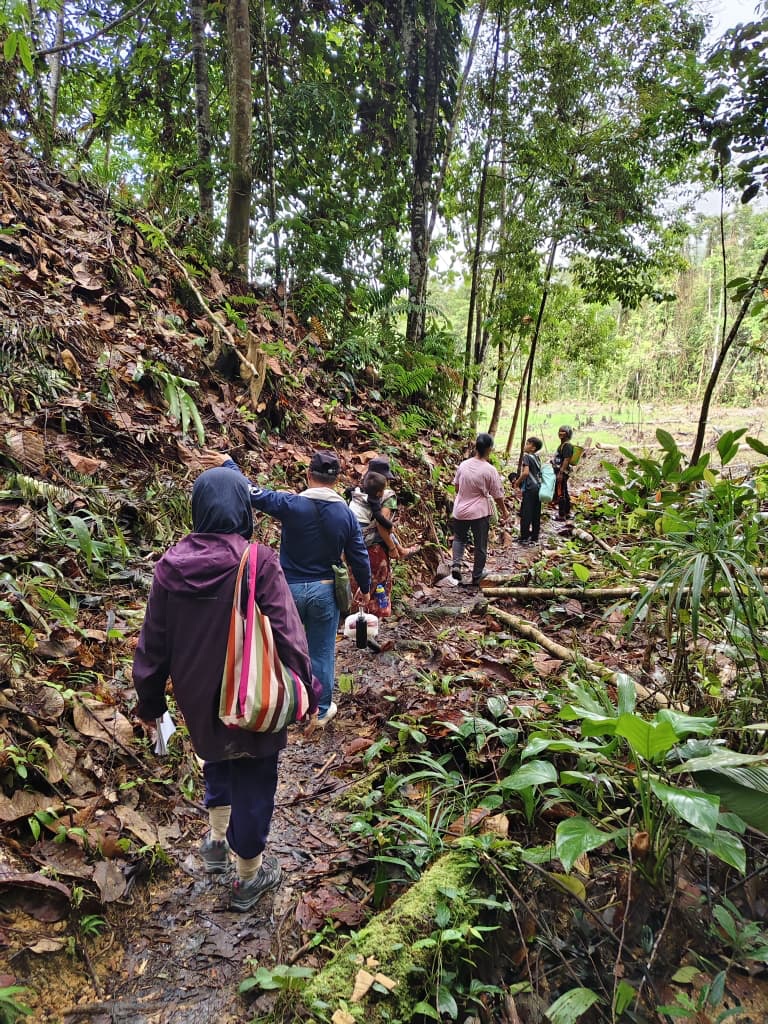
THE first time I followed an elder into the forest, I realised very quickly that I was there to listen, not to lead.
There was no formal explanation of what we were doing. No structure. She stopped when she wanted to stop, bent down, pointed at a plant, and said its name. Sometimes she explained what it was used for. Sometimes she didn’t. Some things, I learned, don’t need explaining unless you already understand.
We walked like that for a while.
Then she asked, almost in passing, “When you finish your study, will you come back and tell us what you found?”
It wasn’t a challenge. It wasn’t suspicion. It was said as if this was simply how things should be done.
That question has stayed with me far longer than most research results.
Where research really begins
Sarawak’s forests have been studied for generations. Scientists come from all over the world to document biodiversity, medicinal plants, ecosystems, and climate patterns. Much of this work depends heavily on local people — on their memories, their daily observations, their long relationship with the land.
In places like Long Iman, knowledge doesn’t arrive neatly organised. It’s shown through practice. Through repetition. Through small corrections along the way. Elders recognise plants instantly. Farmers talk about seasons that no longer behave the way they used to. Healers explain remedies the same way you explain something your hands remember better than your mouth does.
This is where many research projects truly begin.
And yet, this is also where the connection often ends.
When the work moves on, but the people don’t
The samples leave. The data is analysed elsewhere. Papers are written and presented, often far away. Back in the village, there is usually no follow-up. No explanation of what was found. No conversation about what it means.
Just quiet.
Publishing research matters. Of course it does. It gives work credibility and allows it to be shared widely. But when research is rooted in specific places and specific communities, publication alone feels incomplete.
Because the exchange is rarely equal.
People give their time. Their knowledge. Their trust. Researchers leave with full notebooks and finished projects. Careers move forward. Meanwhile, communities are left wondering what any of it led to. Did the research confirm what they already knew? Did it help protect anything? Did it change anything at all?
Knowledge is not raw material
Local knowledge is not something waiting to be collected. It exists because it has been tested — by living in the same place, generation after generation.
When it is treated simply as data, something is lost. Context. Meaning. Trust.
Communities are not just sources of information. They are partners, whether we formally acknowledge that or not. And partnership comes with responsibility. At the very least, it means returning. It means explaining what was learned. It means being honest about what was found – and what wasn’t.
A study on medicinal plants should not end in a laboratory. People want to know what is safe, what is disappearing, what needs protecting. Climate research should not live only in models and projections. Farmers already know something is changing. They live with it every season.
Plain language does not weaken good science
There is a quiet belief that speaking plainly somehow weakens science.
It doesn’t.
Good research should be able to explain itself without hiding behind technical language. If a finding cannot be shared with the people it came from, that is not their failure. It is ours.
Clarity is not about simplifying the truth. It is about respecting the people you are speaking to.
Why this matters now
Sarawak is changing quickly. Anyone who spends time on the ground can feel it. Weather patterns are less predictable. Forests feel thinner. Development moves faster than discussion.
These are not abstract ideas. They shape everyday life.
At times like this, research cannot afford to stay distant. It needs to come back – to communities, to decision-makers, to the people who shared their knowledge in the first place.
When findings are shared openly – through conversations, schools, local writing, or even newspaper columns – something shifts. People recognise their own experiences in the research. Trust builds. Knowledge starts to circulate instead of disappearing upwards.
Rethinking what ‘success’ really means
Maybe it’s time to rethink what success in research really looks like.
Not just publications. Not just citations. But whether relationships were respected. Whether knowledge made a full circle.
A project should not feel finished if the people who made it possible never hear its outcome.
Our forests may be studied worldwide. But knowledge taken from Sarawak should always find its way back to Sarawak’s people.
If it doesn’t return, it isn’t wisdom. It’s just unfinished work.
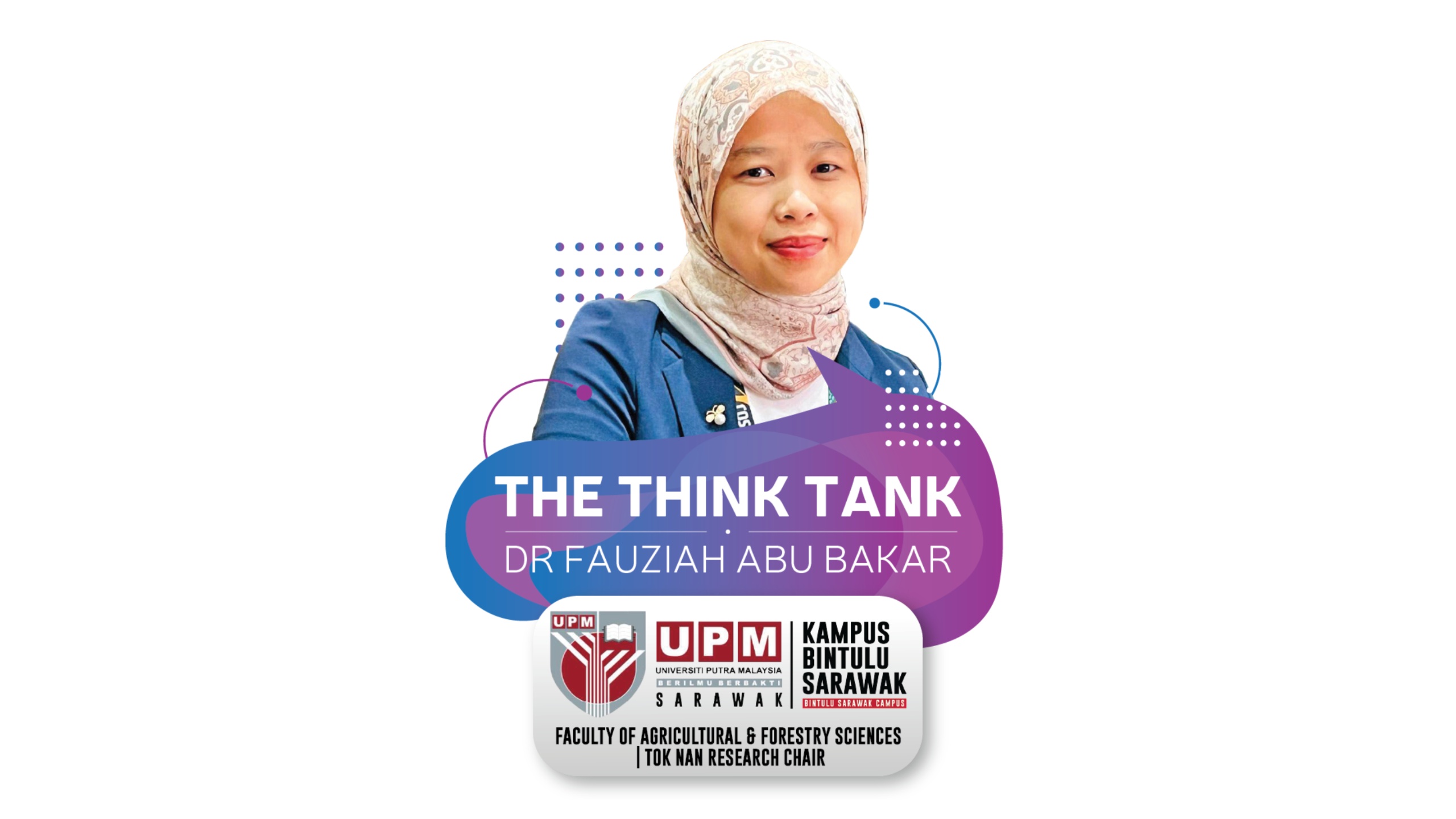
The views expressed here are those of the writer and do not necessarily represent the views of Sarawak Tribune. The writer can be reached at ab_fauziah@upm.edu.my.