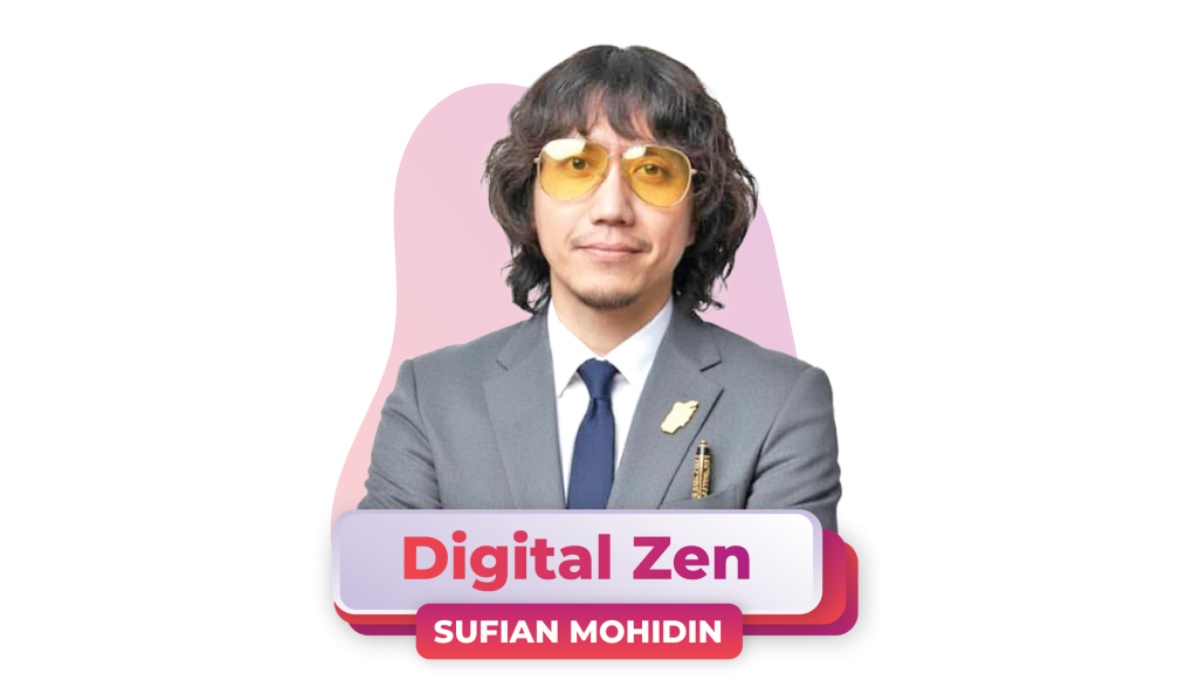
OVER the past three and a half decades in the hospitality industry – much of it in Sarawak – I have witnessed an extraordinary transformation in how hotels operate, serve guests and adapt to changing times.
What once relied heavily on handwritten records, human memory and manual coordination has evolved into a fast-moving ecosystem powered by digital systems, automation and real-time connectivity.
The era of manual operations
In the early years, hotel operations were largely manual. When I first entered the industry, the front office was the nerve centre of operations, but it ran on tools that would now be considered obsolete.
Reservations were recorded in thick ledger books. Room availability was updated manually on charts pinned behind the reception desk.
Even a routine check-in involved coordination between departments by telephone or through the physical movement of staff. Mistakes were not uncommon, but they were accepted as part of the operational reality.
I still remember the days when night audit reports were prepared manually and a single error could take hours to trace.
At that time, efficiency depended not on systems but on experience. Front office staff memorised guest preferences,
housekeeping relied on manual reporting, and management decisions were often based on instinct rather than data.
The arrival of computerised systems
The introduction of early computerised systems marked the beginning of a significant shift.
Property Management Systems (PMS) replaced manual logs, allowing faster check-ins, improved accuracy and better coordination across departments.
At the time, however, adoption was not immediate. Many experienced staff viewed these systems with scepticism. There was a genuine fear that technology might replace the human touch that defined hospitality.
Training became a critical component of this transition. Staff who had spent years mastering manual processes were suddenly required to learn new digital skills.
The learning curve was steep, particularly for those less familiar with computers. Yet, over time, something remarkable happened: adaptation.
Employees began to recognise that technology was not a threat but an enabler. It reduced repetitive tasks, minimised errors and allowed them to focus more on guest engagement.
The digital transformation of hospitality
As the industry progressed, technology continued to evolve at a rapid pace. Online booking platforms revolutionised how guests interacted with hotels.
Mobile applications, digital payments and integrated systems further streamlined operations. Data analytics began to play a role in decision-making, allowing hotel operators to anticipate guest preferences and personalise services.
However, with every advancement came new challenges. Reliance on systems introduced vulnerabilities, including system downtime, cybersecurity concerns and the risk of over-automation.
More importantly, an ongoing question remains: how do we balance efficiency with the essence of hospitality, which is fundamentally human?
The changing role of hospitality professionals
The expectations placed on hospitality employees today are vastly different from those of previous generations.
Today’s hospitality professionals are expected not only to deliver excellent service but also to be technologically competent.
Multitasking now includes navigating multiple systems while maintaining meaningful guest interactions. The modern hotel employee must be adaptable, committed to continuous learning and open to change.
This shift has made staff training and leadership development more important than ever. Technology alone cannot guarantee service excellence.
Hotels must continue investing in people, ensuring employees are equipped with both technical knowledge and strong interpersonal skills.
After all, guests may appreciate efficiency, but what they often remember most is genuine human warmth.
Preserving Sarawak’s hospitality identity
Despite these advancements, the essence of hospitality in Sarawak remains deeply rooted in human connection. The warmth, sincerity and cultural richness of local service continue to define the guest experience.
Technology has enhanced efficiency but it has not replaced the personal touch that guests remember long after their stay.
This balance between innovation and authenticity will become increasingly important as the industry continues to evolve.
Looking towards the future
Looking ahead, the future of Sarawak’s hospitality industry will be shaped by emerging technologies, including artificial intelligence, automation and smart hotel systems.
However, the challenge will be ensuring that these innovations are implemented in a way that aligns with the region’s unique context. Infrastructure disparities, workforce readiness and cost management will continue to influence how quickly and effectively hotels can adopt new solutions.
Equally important is the ongoing development of human capital. The next generation of hospitality professionals in Sarawak must be both technologically proficient and service-oriented. Training and leadership will play a critical role in bridging this gap, ensuring that technology enhances rather than overshadows the guest experience.
The challenge for industry leaders is clear: embrace technological advancement while preserving the values that define hospitality. Investment in training and development will be essential to ensure staff are not only equipped with technical skills but also empowered to deliver meaningful guest experiences.
Balancing progress with human connection
Reflecting on this three-and-a-half-decade journey, one lesson stands out: progress in hospitality is not defined solely by the systems we use but by how effectively we integrate them into our service culture. In the end, technology should serve as a bridge – not a barrier – between us and our guests.
Systems will continue to evolve and artificial intelligence may reshape many aspects of hotel operations. Yet no innovation can replace the sincerity of a warm greeting, the reassurance of attentive service or the human connection that defines true hospitality.
In Sarawak and beyond, that will always remain the industry’s greatest strength.
The views expressed here are those of the writer and do not necessarily represent the views of Sarawak Tribune.