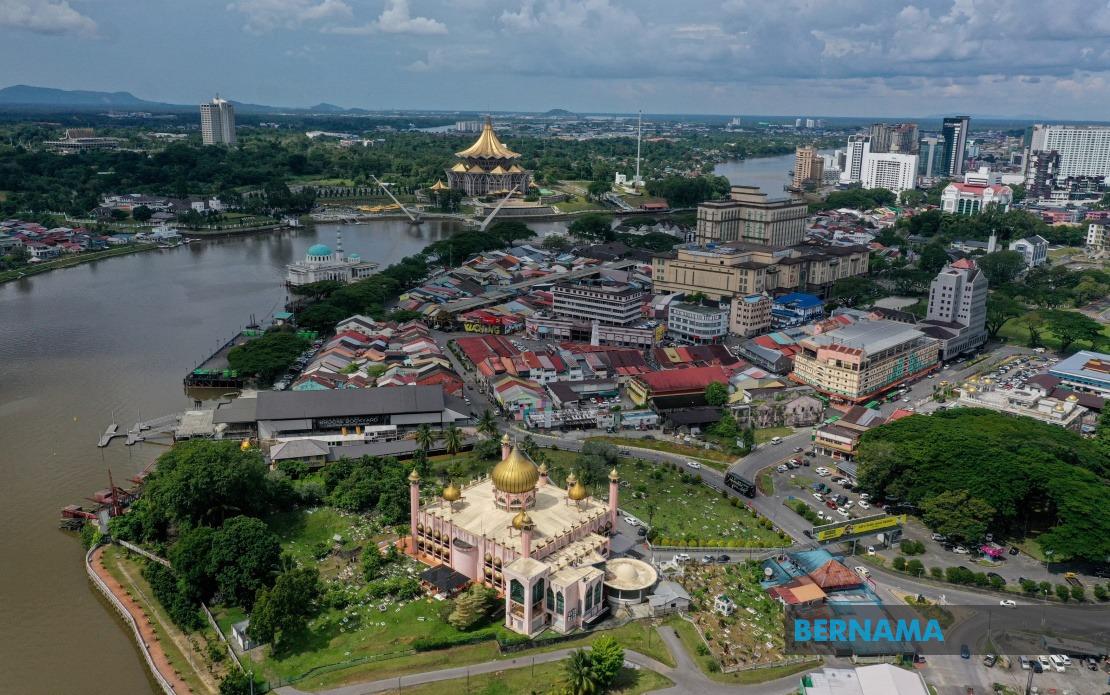
KUCHING: Tengku Ampuan Pahang, Tunku Azizah Aminah Maimunah Iskandariah, has described Sarawak as her second home, with cherished memories dating back to her younger days.
She said Sarawak had always held a special place in her heart, even as a young bride, when she received wedding gifts crafted by Sarawakians.
“Sarawak was already part of my story. For my khatam Qur’an, I wore a beautiful keringkam tudung, and for my wedding gifts, I received a keringkam selendang.
“It was precious to me that I gifted it to the Sarawak Museum so my cousins — the people of Sarawak — could see and enjoy it, and maybe even claim that it ‘belongs to them’ now.
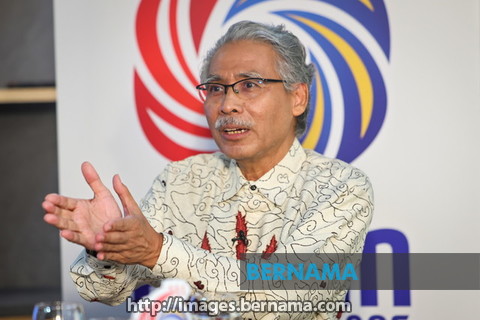
“Whenever I come to Sarawak, I don’t feel like I am travelling,” she said when delivering a keynote address at the Borneo International Textile Festival 2025 (BiTF25) Seminar at Pullman Hotel here Monday (Dec 8).
Tunku Azizah also shared that her daughter, Tengku Puteri Raja Tengku Puteri Jihan Athiyatullah, accompanied her on this visit and brought along her artwork for exhibition in Sarawak.
“I brought my daughter this time, her art pieces with me, that will be on loan to Sarawak for three months. It’s like she has moved to Sarawak for three months.
“So when I say Sarawak is my second home, I truly mean it. Sarawak has become my second home, and all of you are my cousins,” she added.
Additionally, she urged the younger generation to preserve state heritage by continuing to create and wear traditional crafts.
“Wear your identity proudly — your ‘rantai manik’, your keringkam, your songket Sarawak. Don’t keep your heritage in a cupboard. Wear it, love it, show it.
“Without our crafts, who are we? Craft is identity. Craft has meaning. Craft is civilisation. If we fail to preserve it, we lose ourselves. If we teach it, we secure our future,” she stressed.
Tunku Azizah said royal institutions had historically played a central role in safeguarding intricate crafts such as songket, telepuk, keringkam, tekat and weaving.
She added that for more than twenty years, she had worked with artisans, elders, museums, prisons, foundations and international partners, and described the journey as the greatest joy of her life.
“Queens kept these traditions alive. I am humbled to continue this lineage. Heritage is not my project, it is my calling.
“Even my daughter’s decision to study textiles was not imposed but encouraged — inherited from love, from belonging, from identity. This is how heritage lives,” she said.