Series Title: The River’s Shadow
THE story of crocodiles in Sarawak is not just one of danger.
It is also a story of recovery.
Decades ago, crocodile numbers were in decline. In the 1960s and 1970s, the animals were heavily hunted for their skins as part of the international leather trade. By the 1980s, concern had grown over the survival of the species.
Stronger protections followed.
In 1998, crocodiles were placed under legal protection through the Wildlife Protection Ordinance, while international trade in crocodile skins and related products was regulated under the Convention on International Trade in Endangered Species (CITES).
Over time, those measures worked.
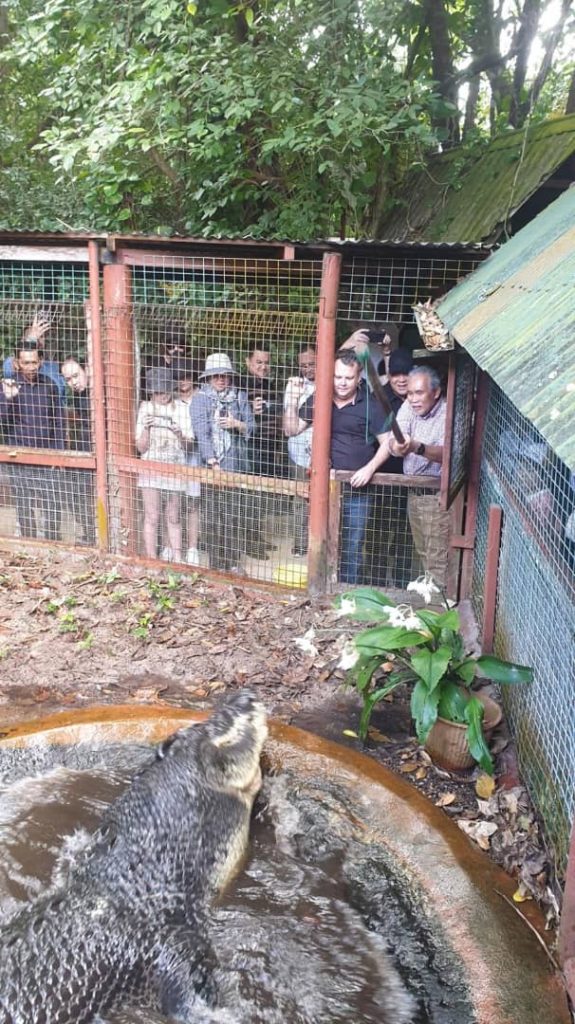
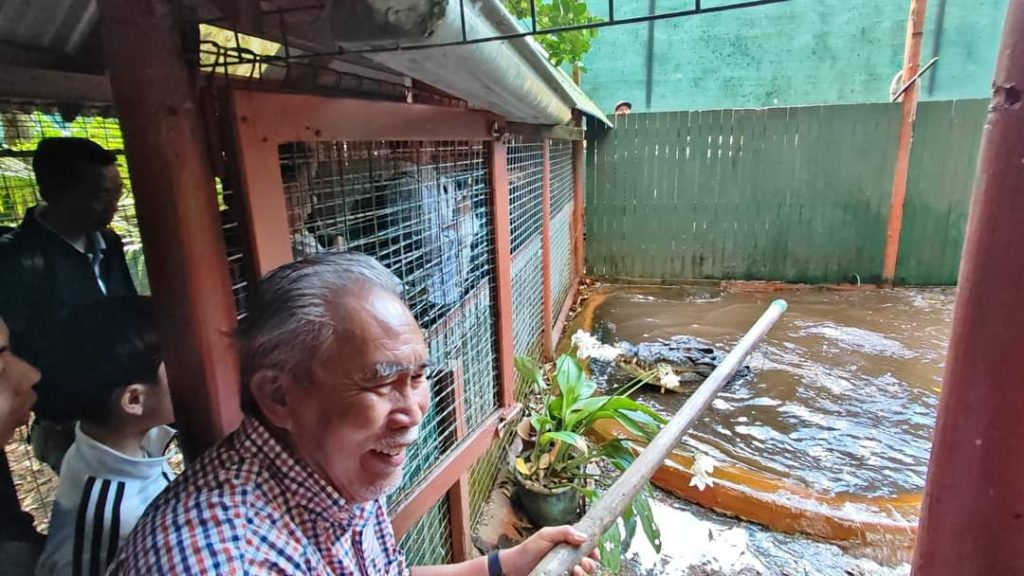
Today, an estimated 25,000 crocodiles inhabit 40 river basins across more than 5,000 kilometres of waterways in Sarawak, a significant increase from around 13,500 recorded a decade ago.
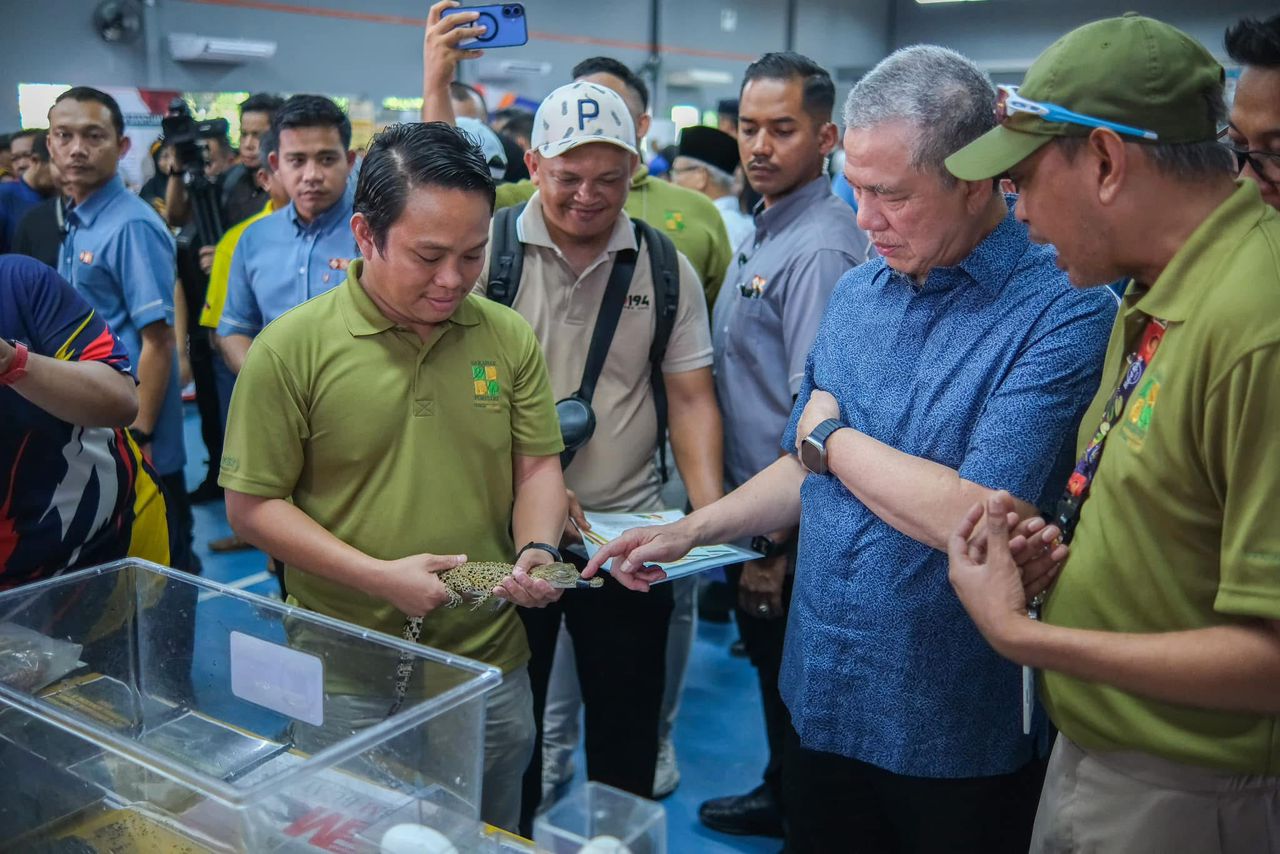
For Deputy Minister of Urban Planning, Land Administration and Environment Datuk Len Talif Salleh, that recovery reflects a conservation effort that has, in many ways, succeeded.
But success has brought new challenges.
“It was so successful that it became a pest,” he said, referring to how rising crocodile numbers are now increasingly intersecting with human activity.
Not just numbers, but pressure
While the growing population is often highlighted, Len Talif stressed that the issue cannot be reduced to numbers alone.
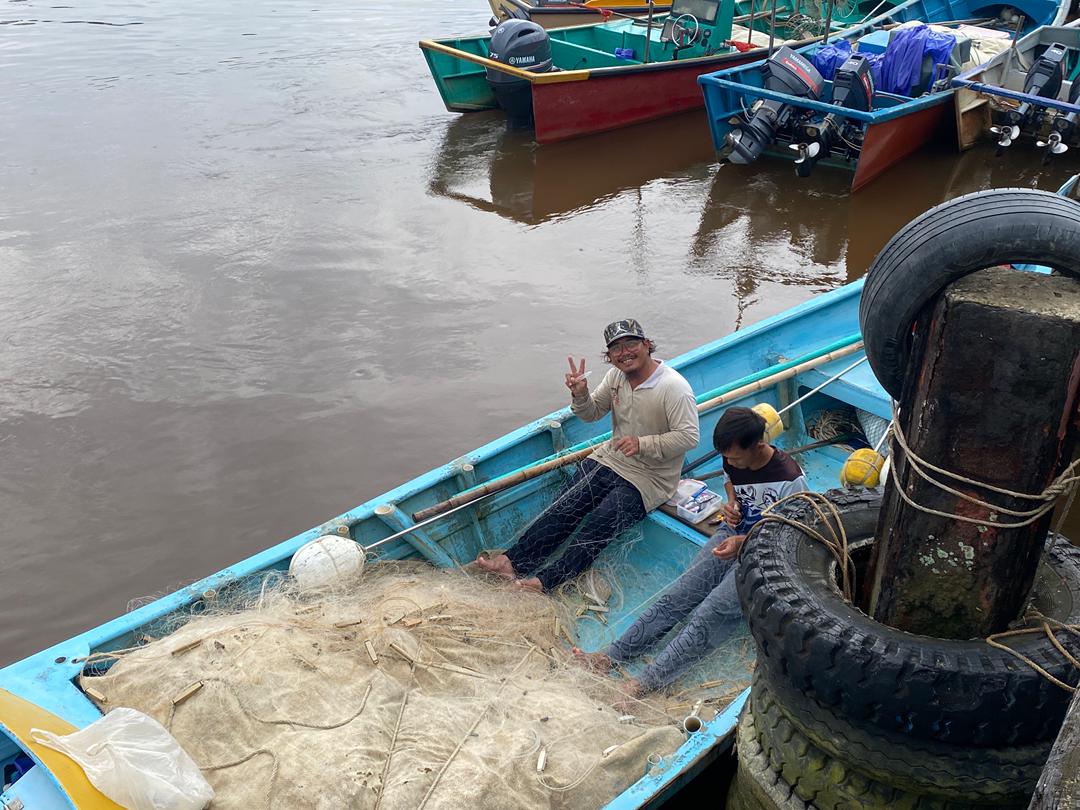
Crocodile populations have increased. At the same time, human populations have expanded, and more land has been opened up for housing, plantation activity and infrastructure. River systems remain central to daily life, especially in rural areas where communities depend on them for fishing, transport and food.
As these pressures converge, the likelihood of encounters rises.
According to Len Talif, Sarawak records more than 350 crocodile related complaints each year through hotline reports, email, Talikhidmat and the Sarawak Croc Watch platform. Fatal attacks continue to occur, with between six and 10 deaths reported annually, with most victims attacked while fishing, bathing or boating.
“Over the past decade, there have been 112 recorded crocodile attacks, including 79 fatalities and 33 injuries,” he said.
From a government perspective, the issue is both a wildlife management challenge and a public safety concern.
Communities cannot simply be removed from rivers that define their way of life. At the same time, crocodile populations cannot be ignored.
Conflict, in many ways, is unavoidable.
The ecological balance people do not see
Len Talif also pointed to another part of the story that is often overlooked.
Crocodiles have very few natural controls in the wild. One of the few is the monitor lizard which feeds on crocodile eggs and helps regulate their population. However, as monitor lizards are also hunted and consumed in some areas, this natural balance can be affected. When that happens, more eggs survive, allowing crocodile numbers to increase.
This is where the issue becomes more than just one of wildlife presence.
It becomes an ecosystem story.
The rise in crocodile numbers cannot be viewed in isolation from what is happening around them, including the removal of species that help regulate their reproduction.
Why removal alone is not enough
When attacks occur, the public response is often immediate and direct.
Why not remove the crocodiles?
Authorities do remove them. But removal alone does not resolve the problem.
When a suspected crocodile attack is reported, police and the Fire and Rescue Department are typically the first responders. A joint search and rescue operation is then conducted with the Sarawak Forestry Corporation (SFC) and local communities, usually over a period of seven to 10 days.
If a crocodile is captured in connection with an attack, it is culled and may undergo a post-mortem examination.
For sightings, smaller teams may be deployed to investigate, with traps set if necessary.
However, these actions come with limitations.
Relocation options are limited due to the lack of suitable holding facilities. Moving crocodiles to other areas can create new risks, either by introducing danger to nearby communities or by allowing the animal to return to its original location.
Even when a crocodile is removed, the underlying conditions often remain.
If food sources, human activity and access points are unchanged, another crocodile may eventually move into the same area.
These decisions are guided by the Sarawak Integrated Crocodile Management Plan, a long term framework developed by the state in collaboration with international experts to improve monitoring, relocation and public safety.
Sanctuaries as a long term solution
One of the approaches being developed is the creation of crocodile sanctuaries.
Len Talif said several locations have already been identified across Sarawak, including the Kuching Wetlands.
The concept is to relocate crocodiles that pose risks to designated areas where they can remain within a controlled yet natural environment.
In Kuching Wetlands, the proposed sanctuary will be fenced.
This, he explained, is a key feature.
Crocodiles are not animals that burrow beneath barriers. With proper fencing, they can be contained within a specific area without escaping into surrounding communities.
The sanctuary model offers a middle ground.
It allows authorities to remove dangerous animals from populated areas without releasing them back into open river systems where risks may persist.
At the same time, such sites may serve additional roles in the future, including conservation, education and tourism, similar to models seen in parts of Australia.
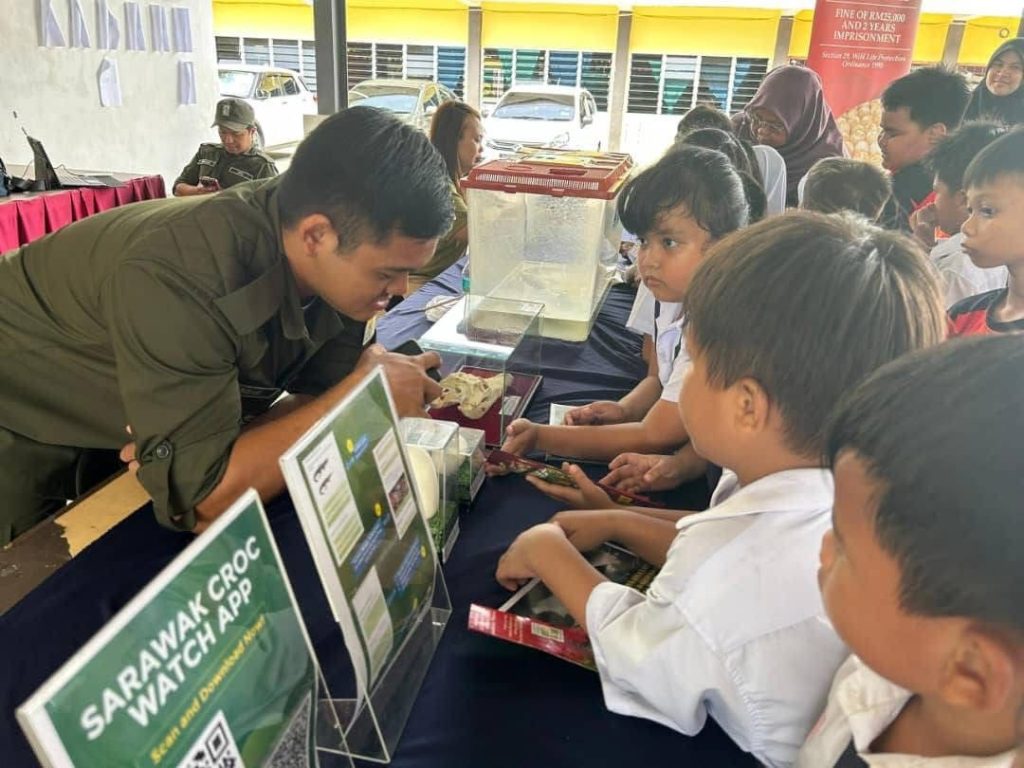
Beyond relocation, the state has implemented a range of measures to manage risk.
Licences have been issued by SFC for crocodile hunting, with about 70 permits granted. However, not all permit holders are actively involved in hunting operations, limiting the overall impact of this approach.
However, enforcement is also shaped by cultural realities. In many local communities, crocodiles are not widely hunted or consumed due to long held taboos and beliefs. Among some indigenous groups, killing crocodiles is avoided unless absolutely necessary, reflecting a deep respect for the animal.
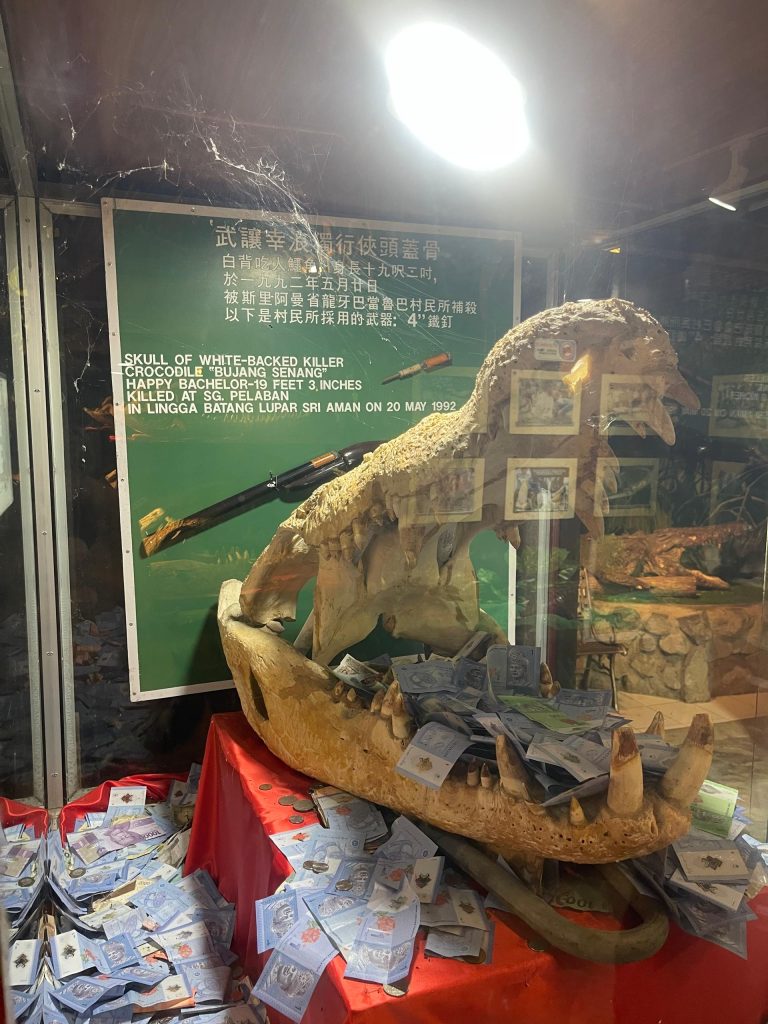
This cultural dimension is closely tied to stories such as the legend of Bujang Senang, a powerful crocodile believed to be connected to the spirit world and ancestral history. Such beliefs have, over time, influenced how communities perceive and interact with crocodiles, reinforcing caution, but also limiting direct population control through hunting.
Enforcement also includes targeted removal operations for crocodiles deemed dangerous, as well as coordinated efforts with multiple agencies at the divisional level.
Warning signages continue to be installed in hotspot areas, while safety considerations are incorporated into development planning, particularly through Environmental Impact Assessments for riverfront and infrastructure projects.
However, Len Talif acknowledged that no single measure can fully eliminate risk.
Management, he said, must be continuous and adaptive.
Technology and awareness
A key part of that strategy lies in improving public awareness.
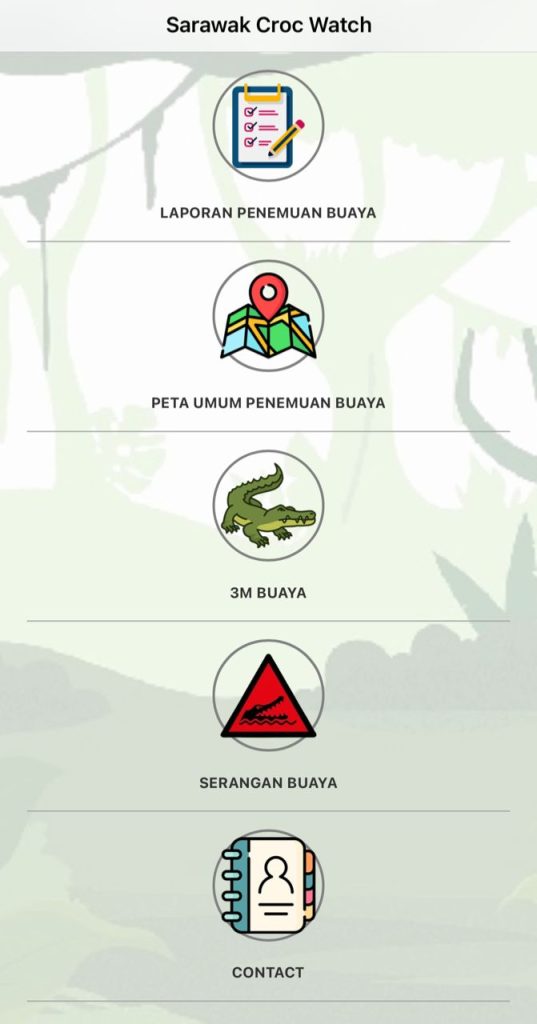
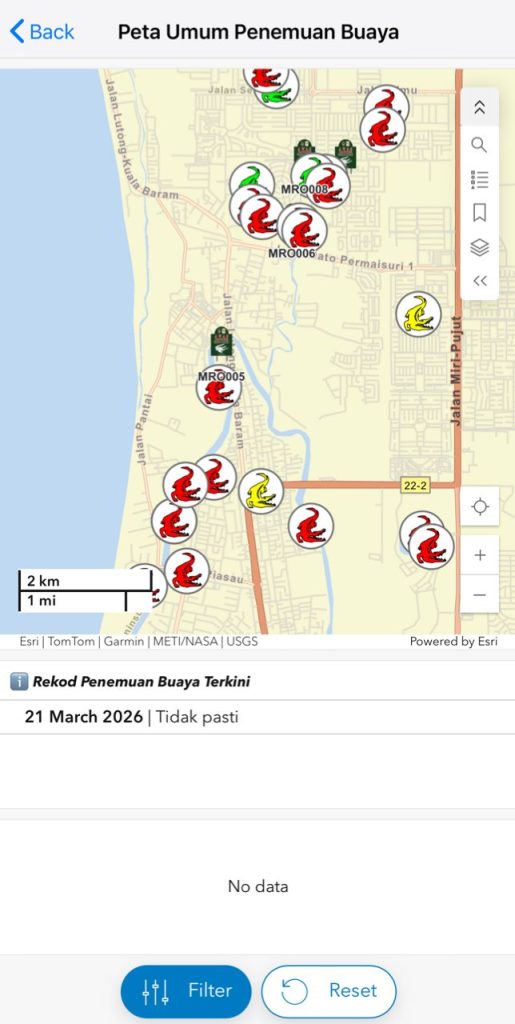
One of the key tools introduced is the Sarawak Croc Watch platform, which allows members of the public to report crocodile sightings and access location based information on crocodile presence.
The system supports faster response by authorities while functioning as an early warning mechanism for communities. It also strengthens monitoring efforts by incorporating real time data from the public into management and decision making.
At the same time, awareness campaigns continue under the 3M initiative, Mengenal, Memahami dan Memulihara buaya (Know, Understand and Conserve crocodiles), aimed at educating communities about crocodile behaviour, risks and safety practices.
These efforts involve schools, local leaders and multiple government agencies, reflecting the need for sustained and widespread outreach.
Living with risk
Despite these measures, one reality remains unchanged.
Sarawak’s rivers are not spaces that people can simply avoid.
For many communities, they remain essential for daily life, for fishing, transport, food and livelihood.
This creates a situation where risk must be managed rather than eliminated.
Some areas may be identified as restricted zones. Others may carry higher risk at certain times. But across much of the state, people and crocodiles continue to share the same environment.
That shared space requires constant awareness.
It also requires a shift in how risk is understood.
The absence of past attacks does not guarantee safety. The presence of food sources may attract both fish and predators. Familiarity with the river does not remove danger.
The future of coexistence
At its core, the issue of crocodiles in Sarawak is about coexistence.
It is about balancing conservation with safety, tradition with changing realities, and human needs with the presence of a powerful apex predator.
For Len Talif, the path forward lies not in eliminating crocodiles, but in managing how people live alongside them.
“The key is to respect their presence, remain cautious when near rivers, and practise safe behaviour so that people and crocodiles can continue to coexist safely,” he said.
Across Sarawak, the rivers continue to flow as they always have.
They sustain life. They connect communities. They carry history.
But they are no longer just places of livelihood.
They are also places of negotiation.
Between conservation and conflict.
Between human survival and wildlife recovery.
And between a species that has returned, and a society still learning how to live with it again.