KUCHING: Sarawak’s anti-drug efforts are set to be strengthened through stricter parcel regulations following a proposal to tighten sender identification requirements for parcels entering the state from Peninsular Malaysia and Sabah.
The proposal was endorsed at the 2026 State Administrative Board Meeting of the Persatuan Pencegahan Dadah Malaysia (PEMADAM) Sarawak, chaired by its chairman, Datuk Seri Abdul Karim Rahman Hamzah.
Abdul Karim said PEMADAM Sarawak fully supports a recommendation by the Royal Malaysian Customs Department requiring senders to provide accurate and verifiable personal details, including identification, address and contact information, for all parcels sent into Sarawak.
Many drug-related cases, he noted, collapse in court because parcels containing narcotics are often sent using false identities or incomplete records, making it difficult for investigators to link senders to recipients and establish a clear chain of responsibility.
“This weakens investigations and prosecution because evidence cannot be properly connected between the supplier and the person receiving the drugs,” he said at a press conference at Waterfront hotel today.
Abdul Karim said the loophole has resulted in cases failing despite seizures being made, as investigations are unable to trace the origin of the drugs due to falsified sender information.
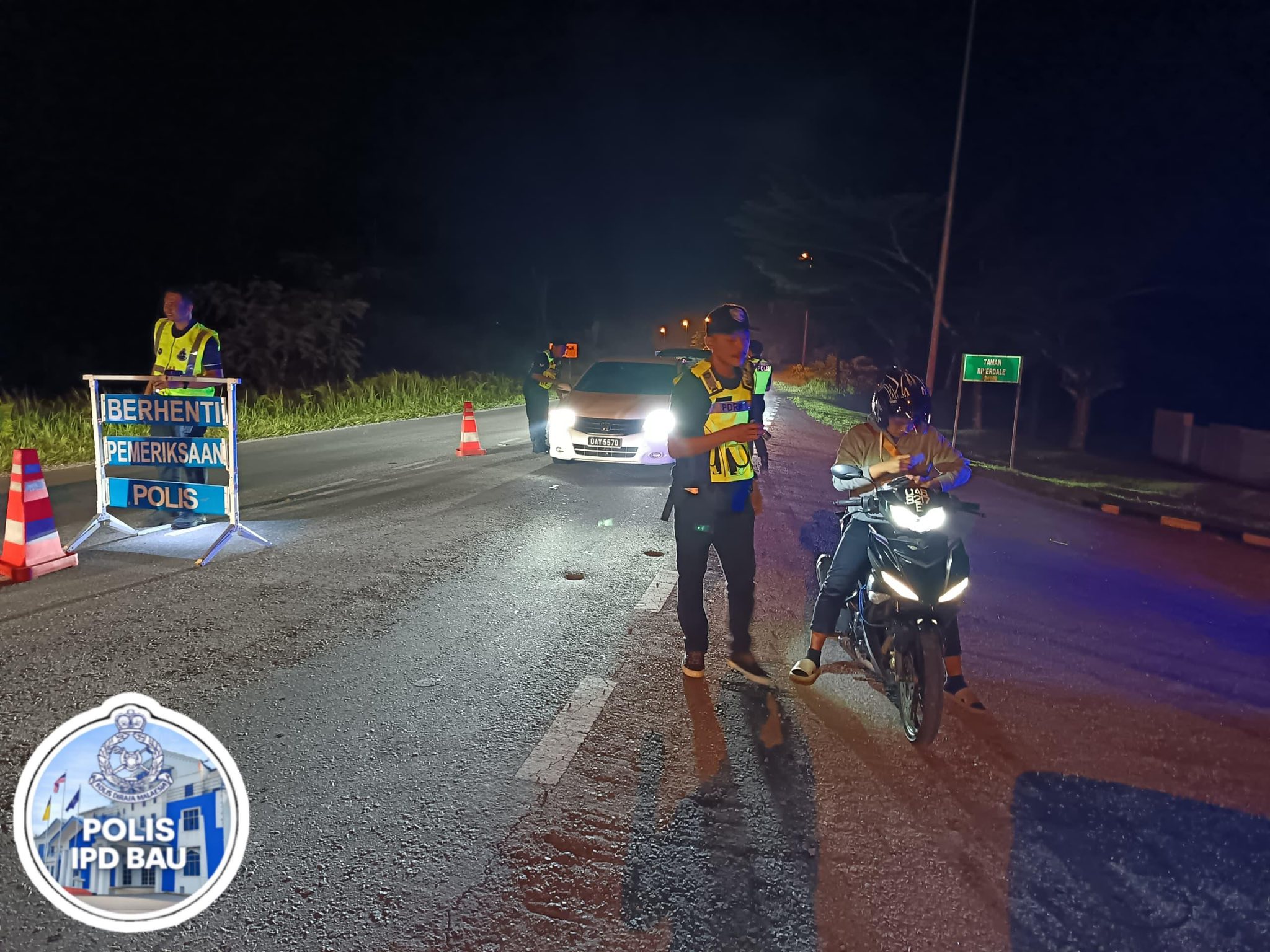
The meeting also highlighted operational challenges faced by enforcement agencies at entry points such as airports, borders and ports, particularly in detecting drugs concealed in parcels and cargo.
While sniffer dogs remain the most effective detection method, he said training and maintaining K9 units is costly and resource-intensive, and most scanners at airports and Customs facilities are designed primarily to detect metal rather than powdered substances.
Abdul Karim, who is also the Minister for Tourism, Creative Industry and Performing Arts, said the Sarawak government remains open to assisting federal enforcement agencies, including the Royal Malaysia Police and Customs, in strengthening detection capabilities at key entry points.
He said clearer standard operating procedures on arrests and investigations are needed, noting that while multiple agencies and even civilians are legally empowered to make arrests, unclear follow-up processes can compromise investigations.
“We need clearer standard operating procedures because although many agencies and even civilians can make arrests, poor coordination afterwards can weaken investigations and prosecution,” Abdul Karim said.
Abdul Karim added that stronger coordination between enforcement agencies and the National Anti-Drugs Agency (AADK) is crucial to ensure cases are properly investigated and successfully brought to court.