MIRI: Each year, tucked away in the cool highlands of Sarawak, a quiet miracle takes place. It’s not flashy, it doesn’t scream for attention, but its echoes carry far-across valleys, across time, and now, increasingly, across borders.
Pesta Nukenen, Bario’s iconic food and cultural festival, may seem on the surface to be about flavours and festivities. But to the Kelabit people, it is something far more profound.
It is a living, breathing archive of memory and meaning. It is a reunion. It is a reaffirmation of identity, and in today’s rapidly changing world, it is a powerful act of preservation.
From July 24 to 26 this year, Bario once again opened its doors-not just to visitors, but to conversations between generations, between tradition and modernity, between people and place, and at the heart of it all is the land – the sacred highland terrain the Kelabit have cultivated, revered, and protected for centuries.
More than just a festival
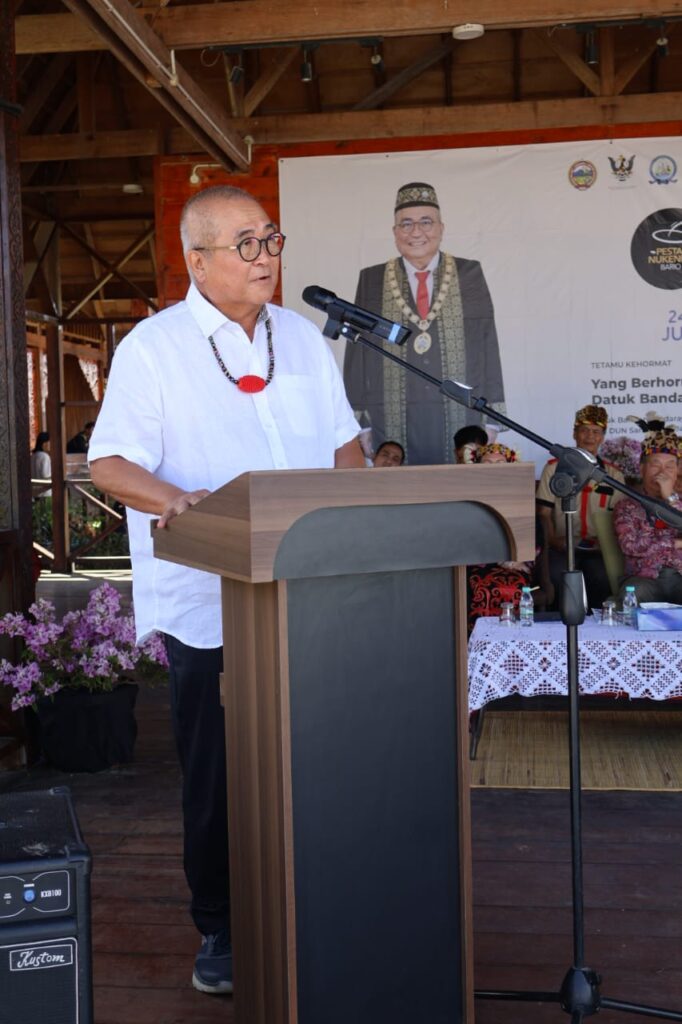
“This festival is about more than just food,” said Miri City Mayor, Adam Yii Siew Sang, addressing a crowd during the opening on the festival last month.
“It’s a heartfelt celebration of your rich culture, your stories, and the resilient spirit that keeps your community strong.”
Since the Bario sub-district was formally incorporated into Miri City in 2015, the City Council has recognised both the logistical and symbolic importance of this region.
Stretching the city’s geographical footprint to over 5,200 square kilometres – seven times the size of Singapore – this inclusion brought with it not only administrative responsibility, but a deep commitment to honour and preserve Bario’s distinct cultural and ecological landscape.
“Over the past 10 years, we’ve worked on many projects aimed at improving the quality of life here in Bario while respecting and preserving your beautiful natural environment,” Yii said.
A community-driven celebration
Pesta Nukenen, which translates loosely to “food festival” in the Kelabit language, is rooted in the rhythms of the agricultural calendar.
Traditionally marking the end of the rice harvest season, it is a moment of thanksgiving – a chance for the community to share the fruits of their labour and to pass on their ancestral knowledge through storytelling, song, dance, and of course, food.
But this year’s celebration also signalled something else: the growing synergy between grassroots efforts and institutional support.
The Miri City Council, in close collaboration with local leaders and residents, has channelled funding and expertise into a host of initiatives designed not only to support the festival, but to future-proof Bario’s appeal as an ecotourism and cultural destination.
Among the key initiatives are the development of the Bario Community Park and a Memorial Park, both of which have engaged the expertise of consultants from Sensiscape Sdn Bhd.
The council has also thrown its support behind the Ngeribed Bawang beautification programme, led by Datin Esther and Cr Lilla, which envisions a network of flowering villages and community nurseries growing plants with traditional and medicinal value-many of which are becoming rare.
“In doing so, we’re aligning with principles already deeply woven into the Kelabit way of life. These efforts are about building sustainable villages and resilient communities,” Yii said.
Where food meets philosophy
What sets Pesta Nukenen apart from other festivals is its quiet depth. At its core, it is an expression of the Kelabit worldview – one that sees land not merely as resource, but as relationship.
The festival showcases an exquisite array of traditional dishes: rice cooked in bamboo, wild game marinated in forest herbs, pickled vegetables preserved through generations-old techniques. Each dish tells a story of survival and adaptation, of harmony between human life and the environment.
Visitors don’t just come to eat; they come to learn. Through workshops, storytelling sessions, and cultural exhibitions, festival-goers gain rare insight into a lifestyle that is fast disappearing elsewhere.
The younger generation, many of whom now live and work in urban centres, return home during this time.
For them, Pesta Nukenen serves as both a homecoming and a reawakening-a chance to connect with their roots in a tactile, meaningful way.
Small town, global relevance
With Bario accessible only via small aircraft, and its accommodations largely made up of family-run guesthouses and homestays, the visitor experience remains intimate and immersive.
It is this sense of authenticity that continues to attract international travellers, researchers, and cultural enthusiasts.
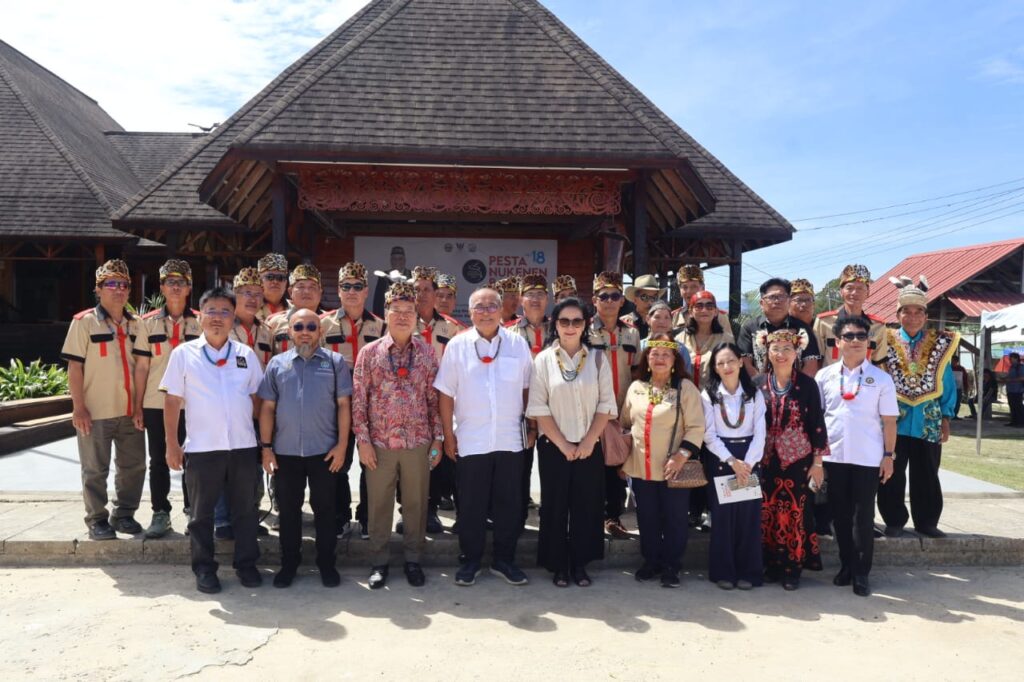
This year, the Miri City Council allocated RM80,000 to support the festival, ensuring essential preparations were carried out for a smooth and welcoming experience.
The efforts included grass-cutting and landscaping at the Bario Community Park, maintenance of the temporary bypass road and public parking near the Memorial area, construction of wooden cover drains, repainting of the lock-up shops, consistent waste management and cleanliness throughout the event period, as well as desilting and drainage clearance along Jalan Penghulu Lawai.
While these works may seem mundane, they speak volumes about the level of commitment and care that goes into ensuring Pesta Nukenen remains a positive experience for locals and guests alike.
Bridging past and future
As with many indigenous festivals around the world, Pesta Nukenen is under quiet threat – from shifting demographics, climate change, and the encroaching pull of modern lifestyles.
Yet in Bario, the response has not been to retreat, but to innovate-anchoring tradition while adapting to new realities.
By embedding cultural celebration into a broader vision of sustainable development, the community is rewriting the narrative. It is no longer about “preserving” culture as something frozen in time but about living it-evolving it-on their own terms.
A beacon for all
“It’s a celebration not only for Bario, but also a showcase of shared heritage that reaches across Malaysia and beyond. Festivals like this help promote eco-tourism, support local businesses, and remind us all of the incredible richness of your culture,” Yii said.
Indeed, Pesta Nukenen is no longer a local secret. It is a blueprint. It shows how indigenous communities can lead the way in environmental stewardship, cultural resilience, and community-based tourism.
As twilight falls over the Bario highlands and the haunting sounds of the sape drift through the cool air, one cannot help but feel that this tiny town has something vital to teach the world.
And in celebrating Pesta Nukenen, we are not only savouring the past-we are also, quietly and deliciously, investing in the future.