SIBU: The Ministry of Public Health, Housing and Local Government will hold discussions with a technical working committee to implement a pilot simultaneous plan submission system for housing projects, aimed at speeding up and simplifying the approval process across Sarawak.
Deputy Minister for Public Health, Housing and Local Government, Datuk Michael Tiang Ming Tee, said when the procedure becomes faster and smoother, homebuyers will be able to own quality homes faster, thus bringing Sarawak one step closer to becoming a model of efficient housing development.
He stressed that government agencies, industry players and professionals need to work together to ensure the housing development process becomes more efficient and transparent.
“When we work together to make this process more efficient, the real winners are the people, especially the homebuyers.
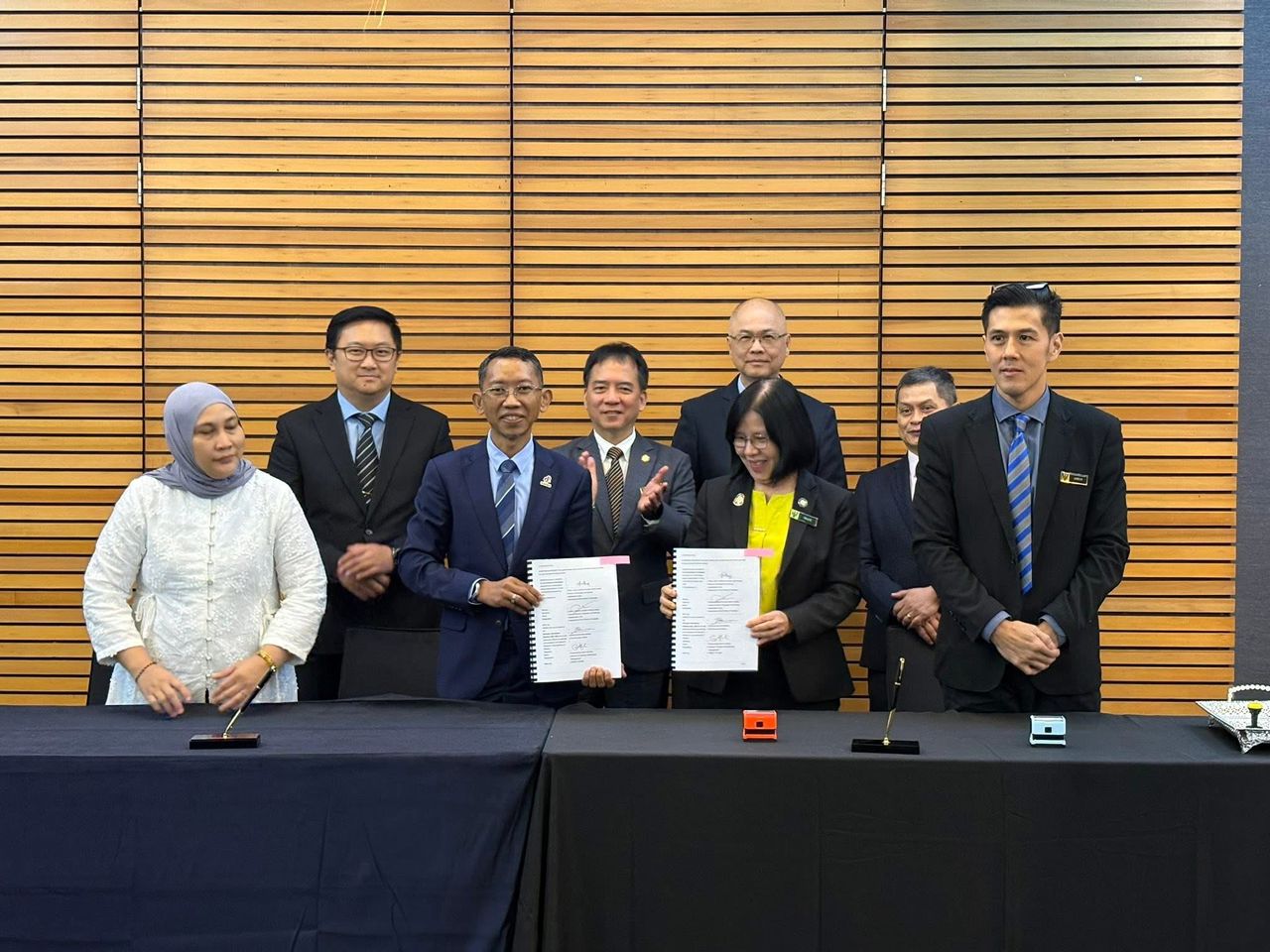
“Every improvement we make today helps the people of Sarawak own their dream home faster and with confidence,” he said when chairing the Dialogue on Improving the Efficiency of Housing Development Procedures for the benefit of homebuyers in Sarawak, held at the Sibu Municipal Council (SMC) recently.
The dialogue brought together the Sarawak Housing and Real Estate Developers’ Association, State Planning Authority (SPA), Land and Survey Department, Irrigation and Drainage Department (DID), SMC and professional bodies to discuss efforts to streamline housing development procedures throughout Sarawak.
The session aimed to reduce duplication of processes, shorten approval periods, and improve coordination between agencies so that all improvements directly benefit homebuyers.
Tiang, who is also Pelawan assemblyman, added that efforts to improve procedural efficiency were not just an administrative goal, but a commitment to public service that reflected the people-centred housing policy.
In the session, he revealed that developers proposed that the submission of planning, building and engineering plans could be done simultaneously to shorten the project duration.
He said the proposal was welcomed by the authorities but stressed the importance of maintaining the sequence of compliance and technical safety standards.
“Developers also agreed on the need to distinguish between minor and major amendments to the building plan, where minor variations can be approved at the divisional level to save time, while major changes still require SPA approval.
“Professional consultants also play a key role in ensuring compliance during construction.
“Authorities can withhold progress certificates if construction deviates from the approved plan, while local councils retain statutory enforcement powers.”
In addition, he said that a case-by-case adjustment approach is also proposed for older developments that face challenges in obtaining Occupation Permits or strata titles, to ensure safety compliance and protect the interests of buyers.
Meanwhile, discussions with DID focused on the approval of drainage plans and sharing of catchment data.
“Both parties agreed to enhance coordination and develop a drainage master plan to support sustainable housing growth in the long term,” Tiang added.