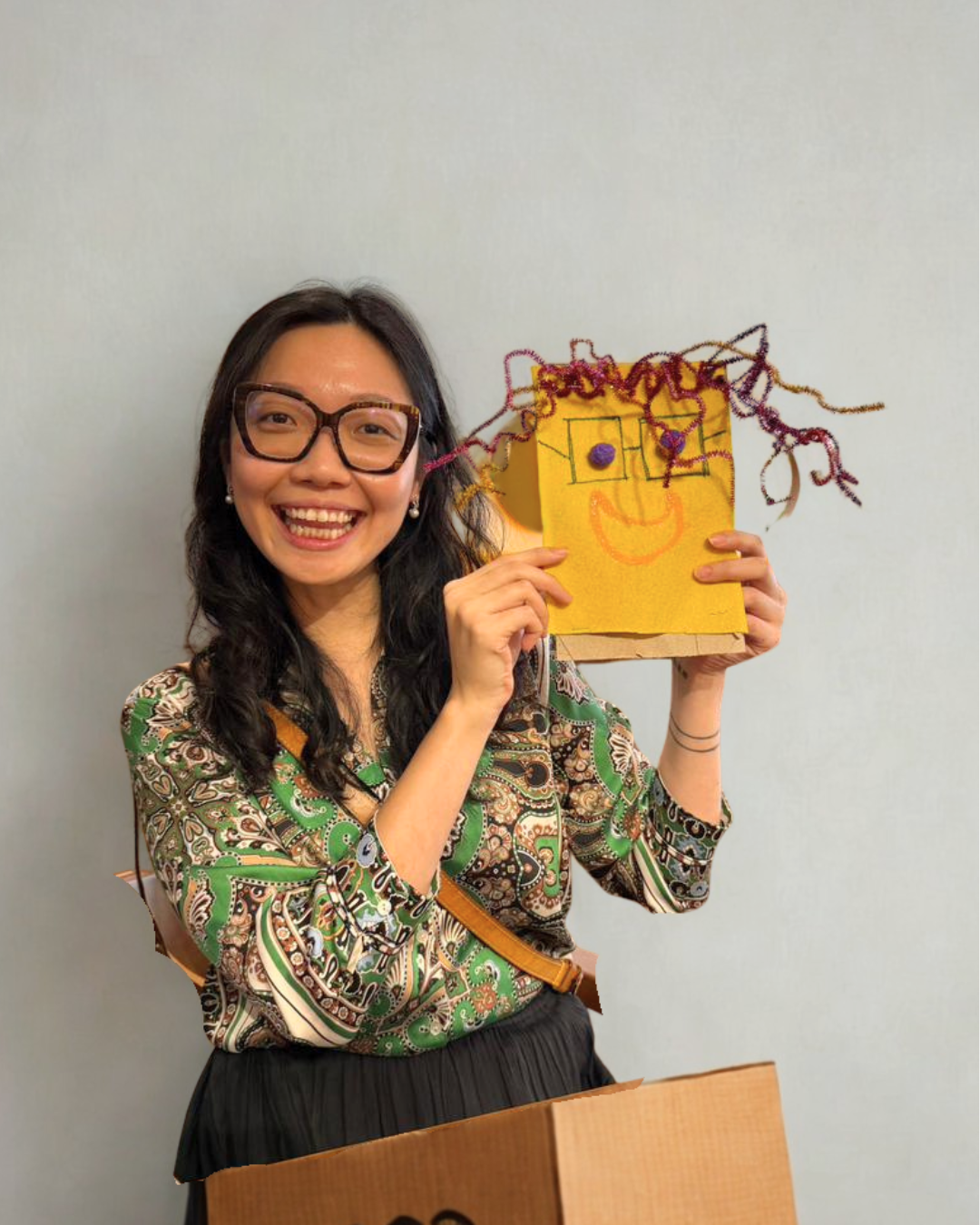
Kinder Minds in Kuching now offers play therapy, a safe space for children to express their emotions. Led by trainee therapist, Kimberley Tan (pic), the programme helps kids with anxiety, ADHD, autism and other challenges build confidence, manage emotions, and improve relationships through guided play.
Supporting emotional growth through play
THERE has been a noticeable rise in the number of children diagnosed as neurodivergent, such as those with autism or ADHD, as well as children experiencing functional difficulties and emotional distress. Growing awareness of these issues has underscored the importance of early intervention, leading to the emergence of various therapeutic approaches aimed at supporting children’s development.
In Kuching, Sarawak, Kinder Minds recently introduced its latest therapeutic offering – play therapy. One of its kind in Sarawak, the programme is led by trainee therapist Kimberley Tan, who firmly believes that children deserve a safe space where their voices and emotions are acknowledged, especially in a world where opportunities to process difficult feelings are often limited.
“Growing up, we were often not given the space to deal with difficult emotions when confronted with painful situations. For me, this was what sparked my burning desire to create a safe space for other children.”
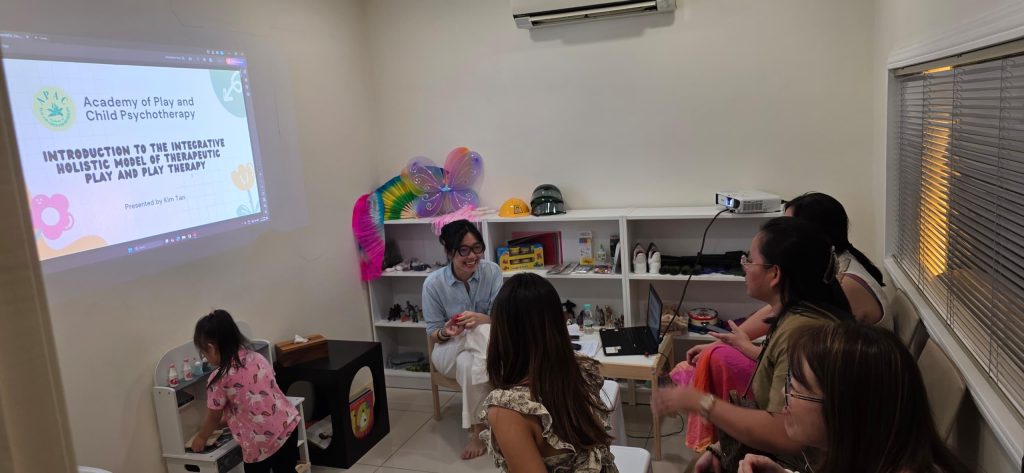
Graduated in Psychology and Early Childhood Education and Care, Tan is currently pursuing her studies in Play Therapy at the Academy of Play and Child Psychotherapy, accredited by Play Therapy UK. She explained that play therapy is a method of helping children with behavioural and emotional challenges.
“A child’s natural language is through play, and we’re going to use that opportunity for them to play out their feelings and emotions. My role here is to provide a therapeutic objective to how they play,” she said.
Who is play therapy for?
Children with abuse trauma, ADHD, anger issues, autism, selective mutism, or shy/withdrawn personalities – and the list goes on.
To identify individual children suitable for play therapy, Tan said parents need to answer a set of questionnaires called the ‘Goodman’s Strengths and Difficulties Questionnaire’. The questionnaires are used to identify emotional and behavioural difficulties as well as positive strengths, covering emotional symptoms, conduct problems, hyperactivity, peer relationship problems, and pro-social behaviour. These questionnaires are also used in other therapeutic modalities.
“Children require specific psychological and behavioural needs to be met for healthy social and emotional development. The level of intervention needed depends on the child’s psychological condition, which can range from mild to more complex symptoms.”
As a trainee play therapist, Tan helps children regulate their emotions and behaviours better, and supports them in dealing with anxiety and relationship issues.
“As play therapists, we also work together with psychiatrists and psychotherapists if diagnosis, assessment, deeper therapy, or medical intervention is needed,” she added.

The benefits of play therapy
According to Tan, play therapy helps children feel calmer, more confident, manage their emotions better, and build stronger relationships with peers and family members.
Sharing some statistics, she cited a study conducted in the United Kingdom using 20 years of outcome data, which showed consistent improvements. Hyperactivity and restlessness decreased by 23 per cent, emotional difficulties dropped by 40 per cent, and challenging behaviours like anger and acting out were reduced by 35 per cent. Meanwhile, friendships and peer relationships improved by 30 per cent, and pro-social skills such as caring and kindness improved by 50 per cent.
“Essentially, play therapy is a safe space for them to behave however they want, allowing them to feel seen and heard.”
Tan explained that while it may look like play, the “seven rhetorics of play” show its therapeutic depth:
- Progress: Through structured activities, repeated practice, and gradual skill-building, children learn about growth and mastery.
- Fate: Rolling dice, spinning wheels, or taking small risks helps children understand chance, uncertainty, and outcomes.
- Power: Competition and games with rules allow children to explore concepts of control, winning, and losing.
- Identity: Attending parties and celebrating cultural or festive occasions helps children develop a sense of belonging and connection.
- Imaginary: Pretend play and role play enable children to explore creativity, emotions, and alternative realities safely.
- Self: Through solitary play and personal hobbies, children discover their interests, preferences, and inner world.
- Frivolity: Humour, jokes, and playful interactions teach children joy, playfulness, and emotional release.
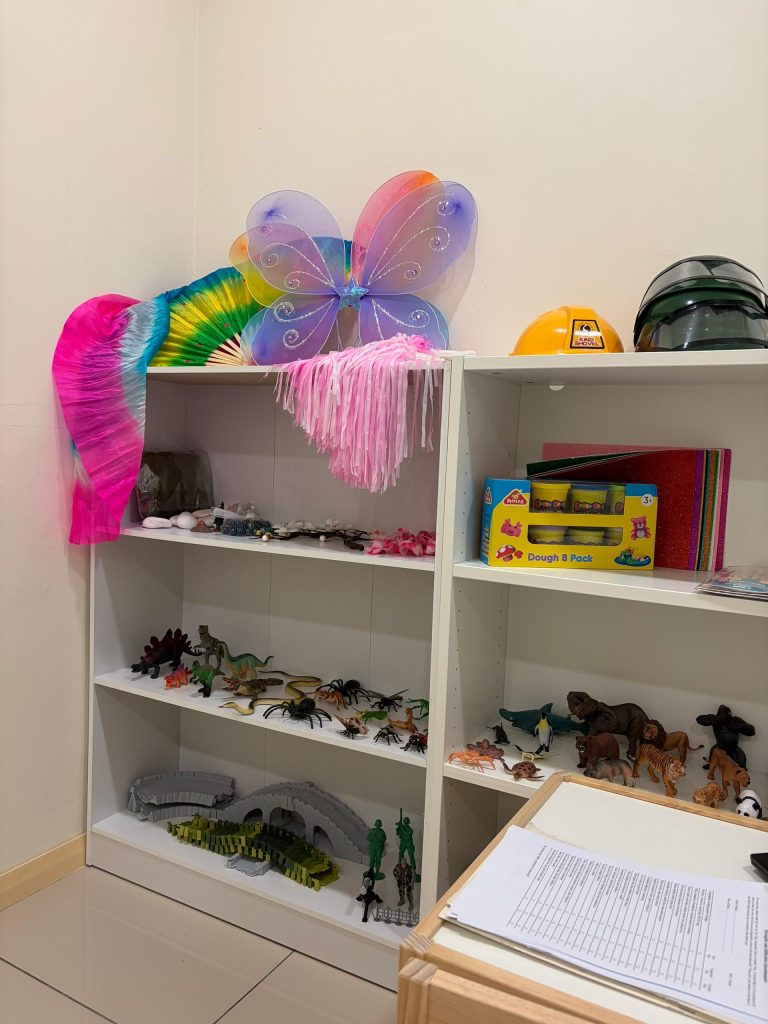
When asked about differences between play therapy and other therapies for children, Tan revealed that the distinction lies in the modalities used. Play therapy sessions incorporate a range of expressive approaches, including creative and art-based activities, sensory experiences, and even music.
“To me, what matters most is the fit. Therapy is most effective when it aligns with the child’s natural way of communicating. A child is more likely to engage and express themselves when the approach suits them,” she said.
Not just about play
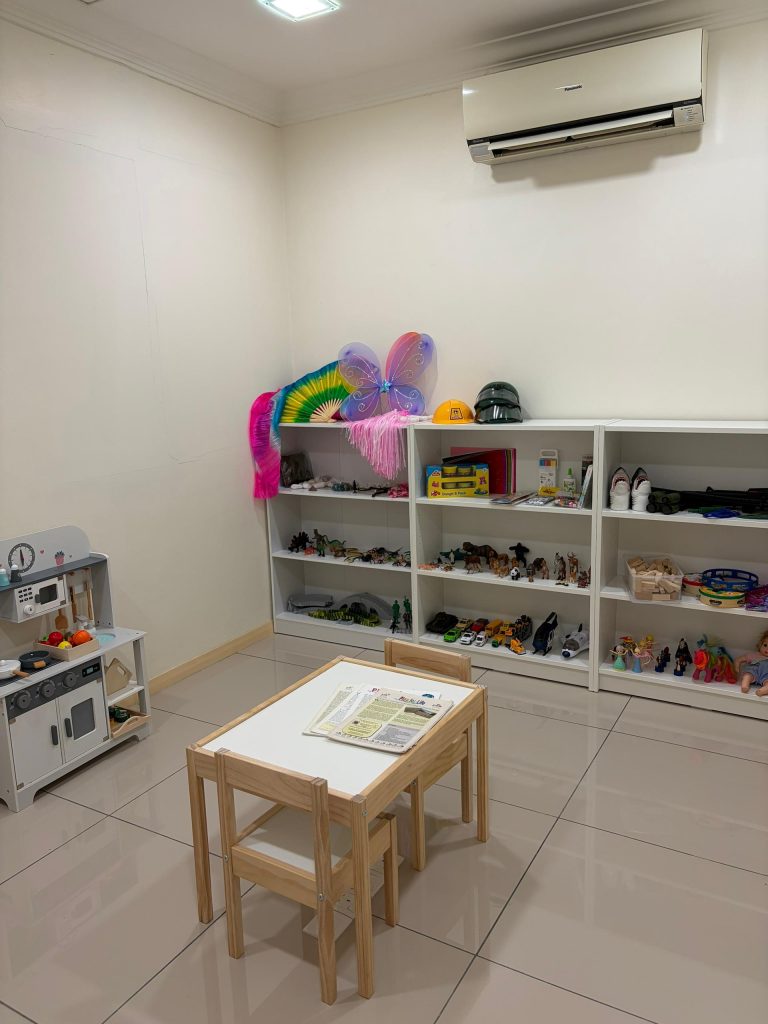
Though the name includes “play”, play therapy isn’t simply playing. With guided principles in place, children can choose activities freely in the room, and they are only stopped if the play could harm them or the toys.
Tan explained that this provides children with a safe space to express their emotions without being rushed. Dubbed “special time” instead of “play time”, this period is non-judgemental and non-directive.
“In sessions, the child leads the way. I don’t prompt or interpret their play; instead, I reflect their emotions back so they can understand what they’re feeling in a safe and supported environment.
“The play therapy room is a confidential and uninterrupted space. Parents are not present during sessions, which allows children to engage freely, develop self-confidence, and build a sense of emotional safety within the therapeutic relationship.”
Each play therapy package comprises 10 sessions. Tan explained that structured check-ins are conducted before, during, and after the therapy process to monitor the child’s progress. This collaborative approach ensures that therapists and parents work together to support the child’s ongoing development.
For Tan, play therapy isn’t about “fixing” a child. It’s about meeting them where they are and helping them understand their inner world at their own pace. As awareness of children’s mental and emotional wellbeing continues to grow, initiatives like these reflect an important shift toward creating spaces where children feel safe, supported, and truly heard.
To learn more about play therapy and Kim’s journey, follow her on Instagram @kimtheplaytherapist.