BY WONG CHUN WAI
KUALA LUMPUR: The country is in a crisis mode.
That’s a reality and the government, to its credit, has not tried to sugar coat the situation by pretending all is well and fine because it isn’t.
The ceasefire between the United States and Iran is a welcome relief but it is only temporary and conditional.
A lot will depend on the outcome of the negotiations but even if the Strait of Hormuz reopens to all ships, it will take months before normalcy sets in.
Lale Akoner, a global market analyst at financial services company eToro, was quoted on CNN as saying that it could take six months to get ship traffic back to where it was before the war began.
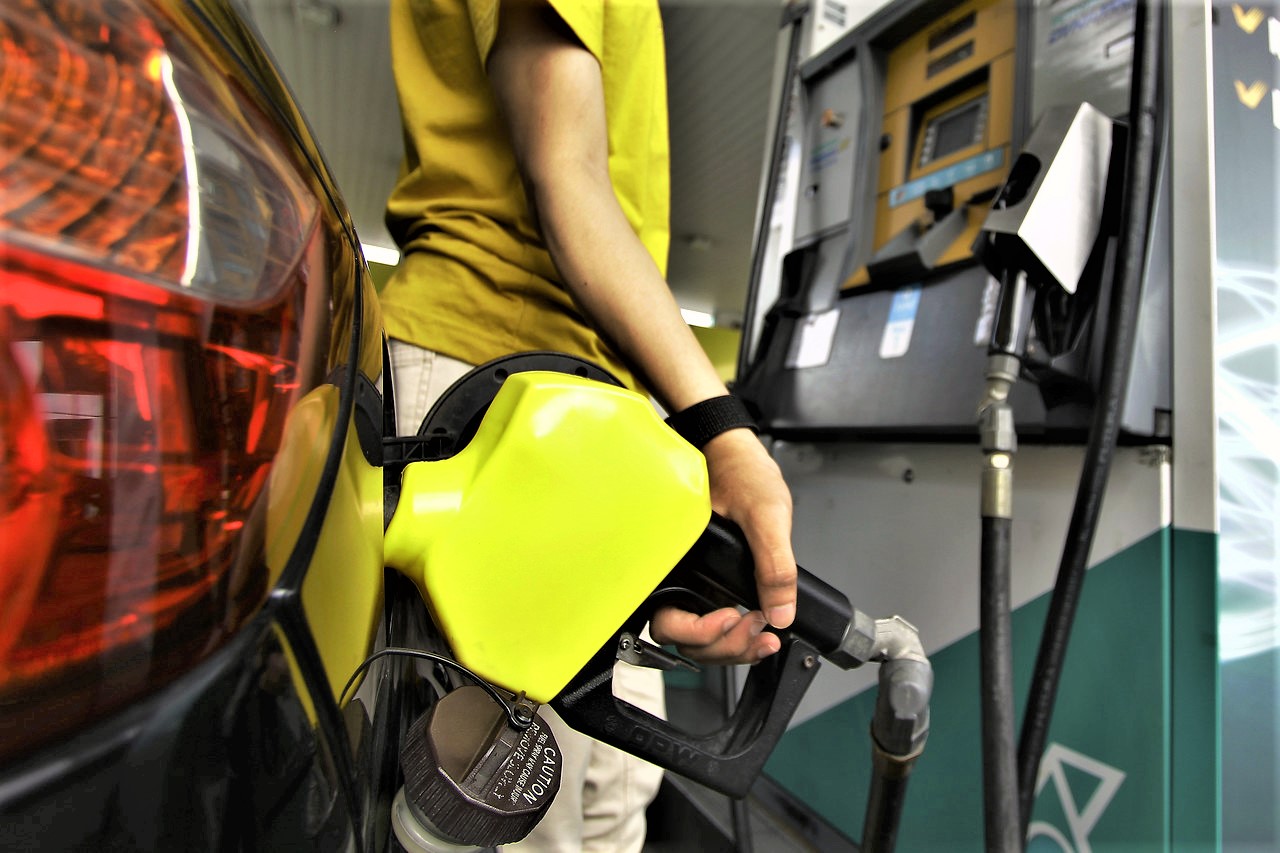
These are situations beyond our control. Malaysia is spending RM6 billion a month to keep our fuel prices low.
Obviously, this cannot go on but more worrisome will be whether ample supplies will continue, so we would not want to see petrol stations closed or motorists having to camp at these outlets.
Prime Minister Datuk Seri Anwar Ibrahim has given his assurances that domestic fuel stocks remain sufficient to meet national demand through April and May.
But at a time when missiles are flying across the Middle East and oil routes are no longer guaranteed, the Prime Minister is right to remind Malaysians – especially our politicians – that the nation faces far bigger headwinds than partisan quarrels.
The implications are immediate and tangible: rising fuel costs, supply chain uncertainties, pressure on inflation, a weaker ringgit and even jobs lost.
Even Bank Negara has acknowledged that a prolonged conflict poses downside risks to growth despite current resilience.
The war has severely disrupted global supply chains – triggering shortages in plastic resin and essential medical supplies including plastic medical tubes, syringes and packaging materials. Major palm oil producers have been hit as there is now a critical shortage of fertilisers due to the strait blockage.
There is now a global shortage of bitumen essential for the construction and maintenance of roads as price surges as well as caused construction delays.
The government has had to take unusual measures – encouraging work-from-home arrangements to cut energy consumption and recalibrating national spending priorities. These are not routine policy tweaks. They are signs of a country bracing itself.
And yet, in the midst of this, our political discourse risks being hijacked by the familiar – endless manoeuvring, positioning, and speculation about elections.
There are seasoned politicians who question why the fuel prices have gone up – pretending to be oblivious to what has happened in Iran and the global impact.
One politician asked why the refineries in Terengganu are not enough to serve Malaysia, pretending to be unaware that we are an oil importer.
Politics thrives on immediacy – who said what, who gains advantage, who loses ground. But governance, especially in times of global crisis, demands focus, continuity and discipline. It is also a test on real leadership.
In times of crisis, we can sieve out politicians who can navigate us through the difficulties and the mediocre ones who merely speak unintelligently.
To his credit, Anwar has not merely sounded the alarm – he has acted. His phone diplomatic engagement has secured tangible outcomes, including safe passage for Malaysian vessels through a tense Strait of Hormuz. That is not abstract foreign policy – it is economic survival.
Malaysia can ill afford such political posturing now as we balance energy security, cost of living, trade and shipping issues, and maintain investor confidence.
Political instability at home, layered onto global uncertainty, is a recipe for capital flight. These are not issues that can be debated in campaign slogans or resolved in ceramah speeches, press statements or social media postings.
Our approach must continue to be measured, principled, and pragmatic – reflects an understanding that Malaysia must navigate carefully between global powers while safeguarding national interests.
Relentless political contestation now sends the message that some politicians are more preoccupied with Putrajaya than with protecting Malaysians from the economic aftershocks of war.
Expanding subsidies irresponsibly would widen the fiscal deficit, risk our credit standing, and ultimately undermine the very economic stability these politicians claim to defend.
Fuel prices in Malaysia do not exist in a vacuum as they are tied to global oil markets, which are now being shaken by conflict in one of the world’s most strategic energy corridors. When prices rise internationally, the government has only two choices: pass on the cost, or absorb it through subsidies.
If we fork out RM6 billion in subsidies, let’s not forget that they are drawn from national coffers which could have funded healthcare, education, infrastructure, and targeted assistance for the most vulnerable.
To shout “lower fuel prices” without acknowledging these trade-offs is unhelpful and irresponsible politics. – Bernama