PART 1
AS an avid land traveller in Sarawak, especially along the long routes from Kuching to Baleh, Kapit, and Kuching to Asap, Belaga via Bintulu, I thought I had experienced every possible bump, pothole and surprise an interior road could offer.
But then came Pontianak.
This was my first time visiting the capital of West Kalimantan.
The trip, organised by AirAsia on July 25, was not by air but overland.
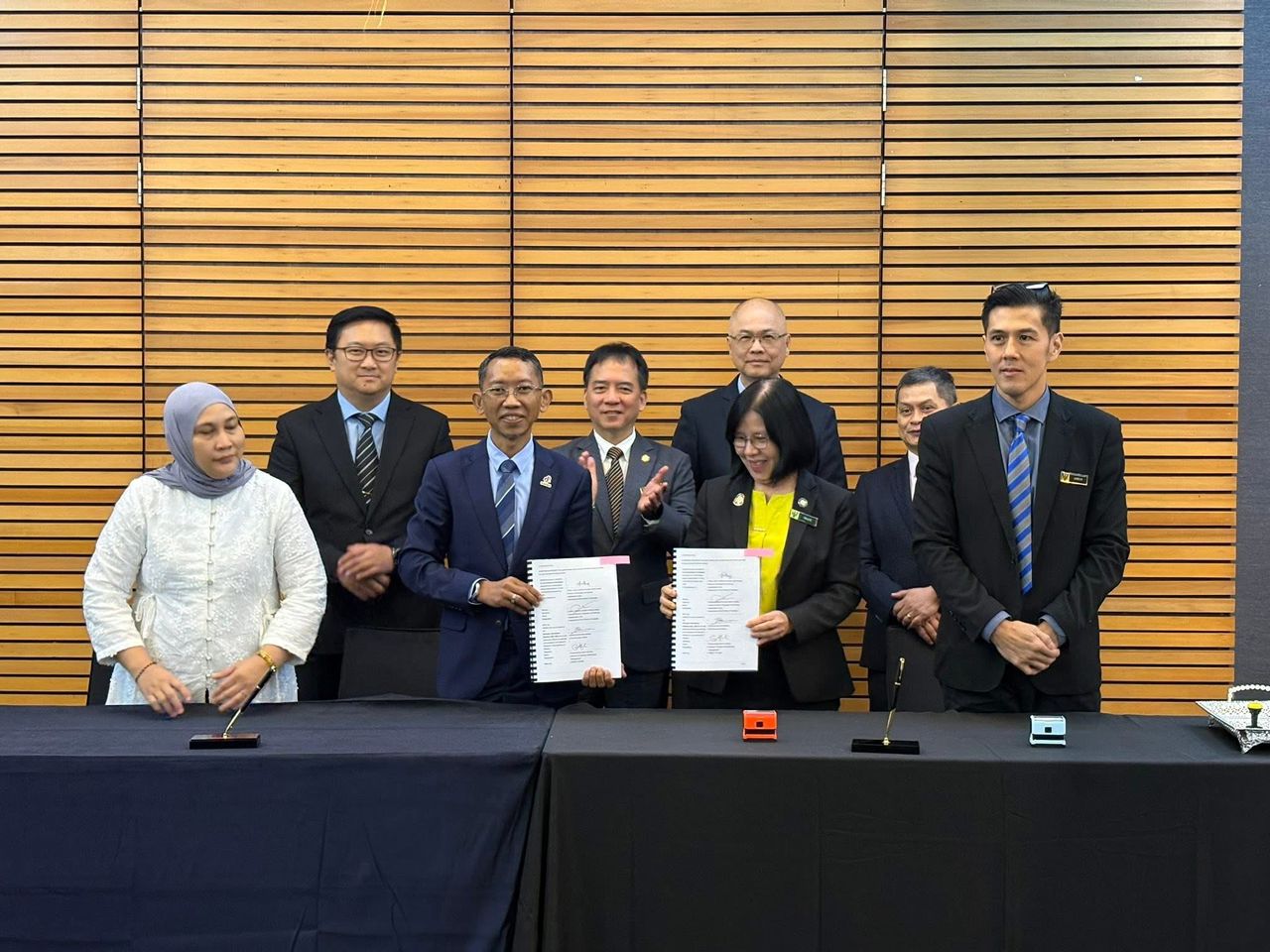
Reporters from Sarawak were invited to cover the official announcement made by the Governor of West Kalimantan on the return of direct flights between Kuching and Pontianak, set to resume on September 12.
Since the flights were not operational yet, we travelled by van through the Tebedu border crossing.
The oven on wheels
The journey kicked off with an unexpected twist.
The first threehour ride felt like a mobile oven.
The air conditioning was on but barely made a difference, like a polite whisper against a roaring fire.
The windows were shut tight, and our only real defence came in the form of tiny portable fans, which we turned on to max, like desperate travellers clinging to dignity in a desert.
We sat there slowly cooking, assuming the heat was coming from the engine and quietly dreading the moment the van might break down in the middle of nowhere.


Still, we stayed patient, chalking it up to the classic overland adventure experience.
But by the third hour, curiosity got the better of me, and I asked the driver why it was so ridiculously hot.
That was when the truth came out. Someone had accidentally switched on the heater.
Yes, the van had a heater, a thoughtful feature for snowy Japanese winters, but wildly unnecessary in tropical Borneo.
With one flick of a switch, the sauna session ended, and cool air finally swept through the cabin like sweet salvation.
Lesson learned: always know your buttons and switches before braving the Borneo heat.
Crossing borders with ease
Crossing the border was surprisingly smooth.
At Malaysian immigration, we had our passports scanned.
Then we moved on to the Indonesian side, where our documents were entered into the system.
We placed our bags on a scanner and walked through a body scanner that no one seemed to be watching.
If someone had walked through with a durian taped to their back, I am not sure anyone would have noticed.
Still, the whole process was quick, painless and oddly casual.
The marketplace at the edge
Just outside the Indonesian immigration building was a lively unofficial marketplace where locals hustled everything from snacks and drinks to the evericonic Gudang Garam cigarettes and Indonesian SIM cards.
Some were even waving wads of Rupiah in the air, offering to exchange currency on the spot.
The catch was that their rate was RM1 to 3000 Rupiah, a deal only if you enjoy losing money with a smile.
For comparison, I had exchanged earlier before entering Indonesia and got RM1 to 3800 Rupiah at a proper money changer.
The moral of the story: unless you enjoy spontaneous street economics, it is best to stick to the pros.


Honks, trucks and horn etiquette
The drive to Pontianak itself came with its soundtrack, mostly our driver honking at everything in sight.
Unlike the Bakun Dam road, where gigantic logging lorries loom like metal beasts, these were mostly medium-sized trucks trundling steadily along.
Still, we had to alert them when overtaking, which meant regular honking.
Motorbikes, too, received their fair share of friendly horn nudges.
It became clear that on these roads, the horn is less of an emergency tool and more of a polite announcement system.
Familiar lands, different borders
From agriculture to road conditions, the experience felt familiar.
Paddy farming was evident in Pontianak, reminiscent of how it once was along the Sibu to Kapit road, though today, paddy fields are a rare sight there.
The road was narrow and bumpy enough to test the resilience of your spine, very similar to the stretch from Bintulu to Belaga via Bakun Dam.
If you do not already have a chiropractor on speed dial, you might want to get one after this trip.

Oil palm plantations lined the road to Pontianak, just as they do in many parts of interior Sarawak.
Swallow farming for bird’s nest production was also visible along the route, drawing a familiar parallel to the Sibu to Kapit corridor.
The houses that dotted the roadside were built on short stilts, small, compact and remarkably uniform in size.
From long silences to lively roads
Unlike Sarawak’s long, often deserted stretches where you might drive for kilometres without seeing a single soul, only endless greenery, the journey to Pontianak was lively and bustling.
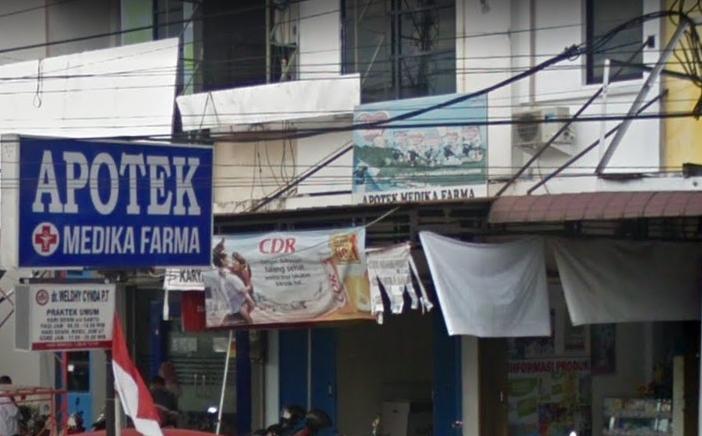
Houses, roadside markets, apoteks (pharmacies, clearly from “apothecary”), and trusty Indomarets (Indonesia’s version of a 7-Eleven) popped up frequently.

I am fairly convinced there are more Indomarets per square kilometre in Kalimantan than there are Starbucks outlets in all of Kuala Lumpur.
You will know you have reached the city when the traffic thickens and the sea of vehicles becomes a full-blown jam.
Jam sessions and street hustles
Speaking of traffic, it deserves special mention.
Motorcycles outnumbered cars by what felt like ten to one.
And roundabouts?
In Kuching, we cautiously wait for our turn. In Pontianak, it is more of a may-the-bravest-vehicle-win situation.
Yet somehow, no one crashes. It is chaotic ballet at its finest.
During one particularly long jam, a man appeared with a guitar, passionately serenading a random car as if it had just broken his heart.
Meanwhile, another weaved through the traffic selling fruit, having seemingly cracked the code to combating two of life’s great nuisances: boredom and an empty stomach.
It was their way of making a living, and it brought back memories of my student days in Perth, Australia.
At certain traffic lights, there, people would appear out of nowhere to wipe your windscreen, and you would give them whatever you felt like, even just two dollars.
A shared cultural pulse
Once we reached the city, the cultural connection between Kalimantan and Sarawak became instantly clear.
There was an outdoor stage performance going on next to our hotel.
A young boy played a stringed instrument that looked like a sape, or sampe as they call it in Kalimantan, while a girl danced gracefully with hornbill feathers, echoing the traditional Orang Ulu movements we know well.
It was beautiful, familiar and heartwarming.


Smoking and spicy surprises
Food, people and language all felt like home.
But there were some things that reminded me we were, in fact, abroad.
Smoking, for instance, is still very much allowed in eateries.
Even the hotel had smoking rooms, something almost mythical in Malaysia now.
It was a throwback to the early 2000s when ashtrays were still a fixture in kopitiams.
When it comes to food, the chillies are spicier, so brace yourself.
You might also need some help translating the menu.
That said, the differences are not too drastic.
Our hotel breakfast included nasi liwet, which to me looked very much like our version of nasi lemak.
For dinner on the first night, we had ikan asam pedas, and the taste was quite similar, though the fish used was a local Indonesian variety.
We also tried tempoyak durian, which had a much lighter colour compared to the thicker, richer version we have in Sarawak.
One thing to note: any drink listed with the word es means it’s served with ice.
Overall, food in Pontianak is considered quite affordable.


More than just a road trip
Despite the differences, there is something deeply comforting about how much we share across the border.
The return of direct flights will surely make these connections easier to explore.
But if you ever get the chance to travel overland like we did, bumps, border quirks and all, take it.
It is not just a road trip. It is a journey through stories, similarities and the occasional culture shock.