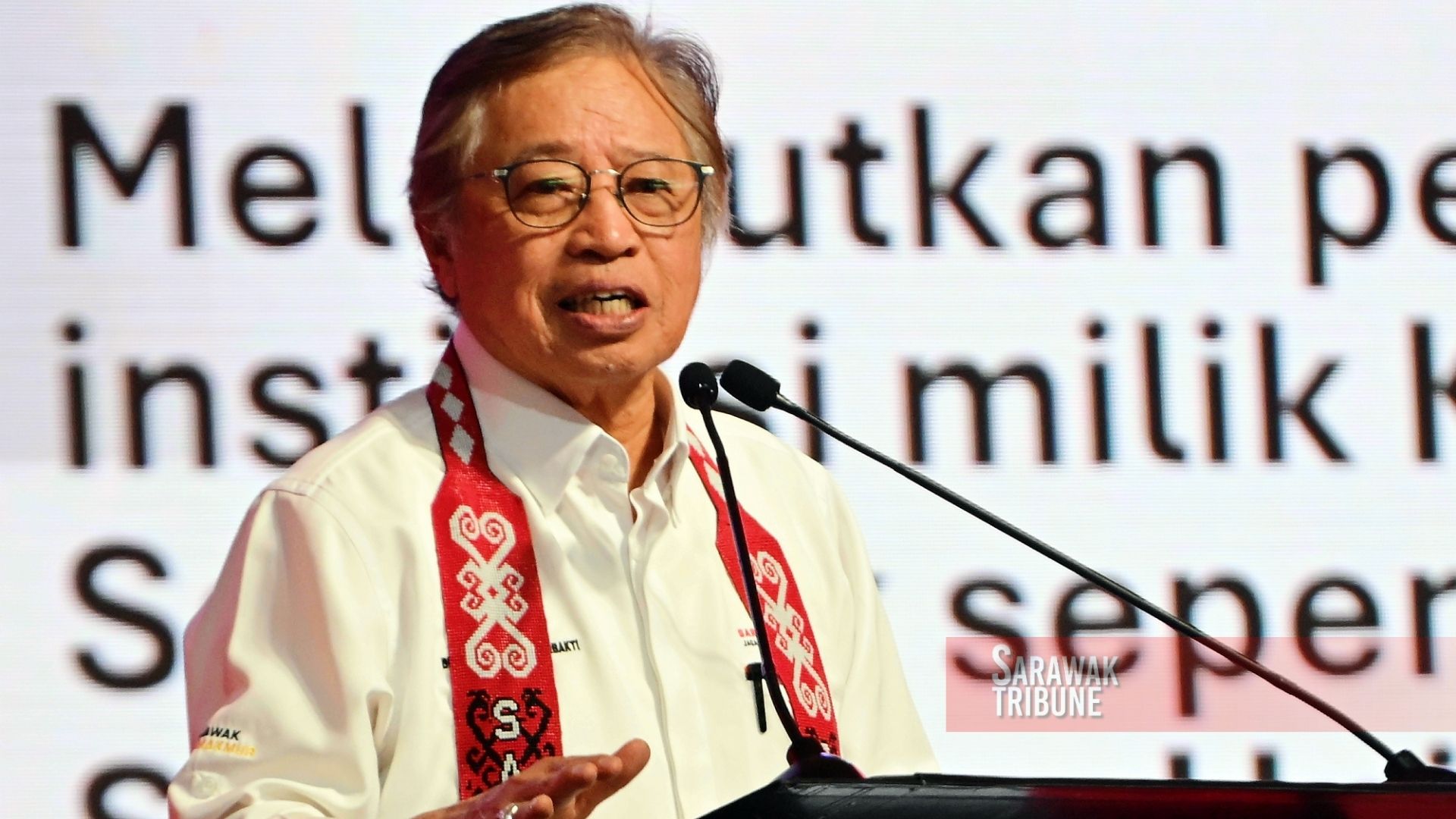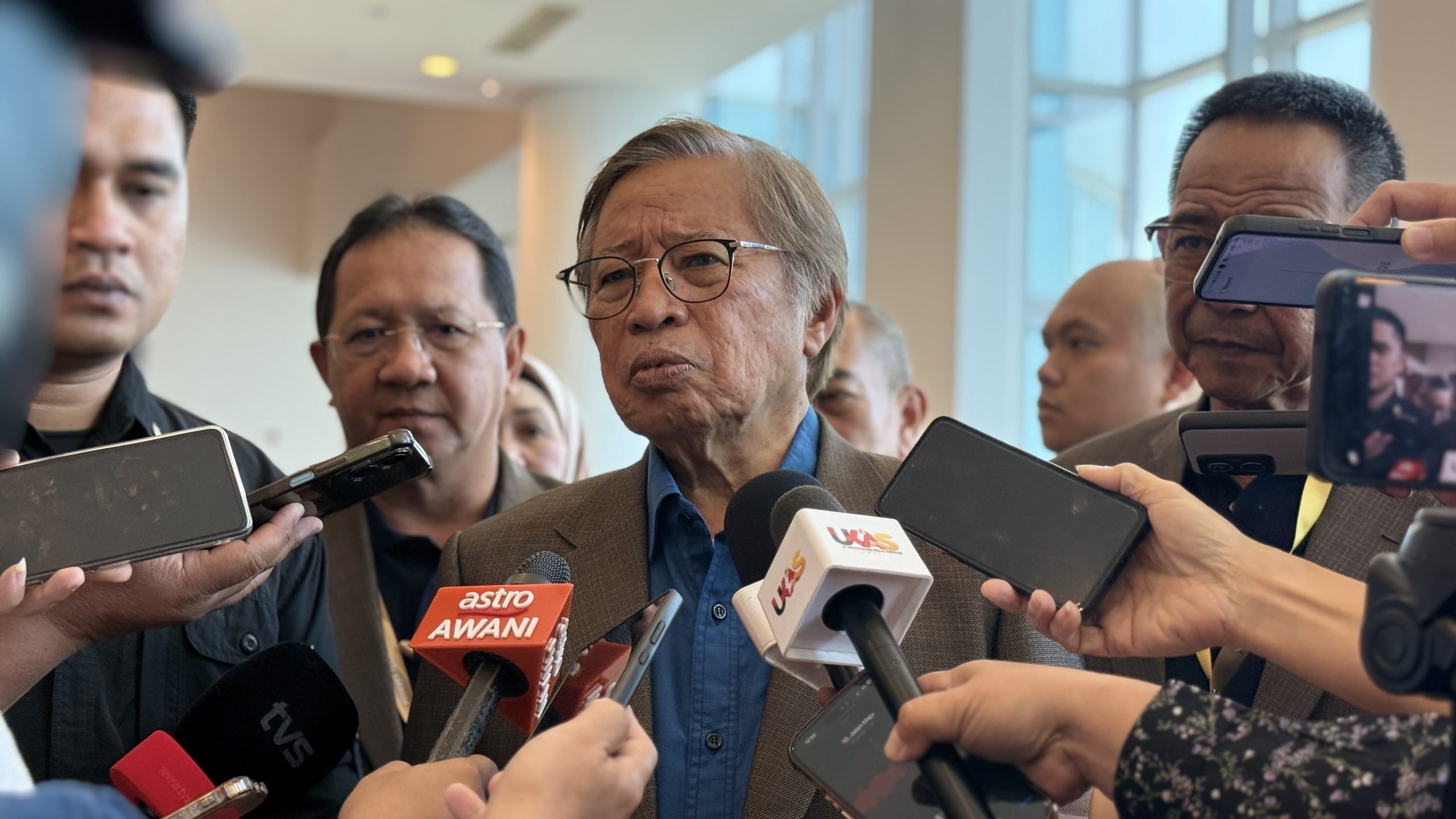
SIBU: Sarawak’s efforts to increase its population will depend largely on whether young people can afford to raise families, while the state must continue creating better economic opportunities to attract professionals to return, said Premier Datuk Patinggi Tan Sri Abang Johari Tun Openg.
Responding to reporters’ questions on the state’s plans to increase its population, Abang Johari said the cost of living was among the concerns facing young people when deciding whether to have children.
“Yes, indeed. It’s up to the people, whether they can afford it or not,” he said.
He said the cost of raising children, including basic necessities such as milk, could be a consideration for young couples.
However, Abang Johari pointed to the Sarawak government’s initiatives, including the Sarawak Basic Needs Assistance (SKAS), as measures aimed at easing the financial burden on families.
He also highlighted Sarawak’s efforts to reduce the cost of education, saying education was now almost free, with free schooling and free tertiary education helping to reduce expenses for families.
“These can add up. Even though, in terms of numbers, it’s not a lot, our development plan needs to expand outside the Sarawak market,” he said.
Abang Johari said Sarawak could not rely solely on its domestic market and must continue expanding its economy beyond the state as it sought to position itself as a global player.
He cited the transformation of Sibu as an example, saying rapid development of the town could encourage professionals who had left the state to return.
“We want to transform Sibu quickly. And if Sibu town transforms, professionals will return,” he said.
He said Sibu faced particular challenges, including flooding, as parts of the town were situated below the river water level.
“This means we have to pursue more sophisticated development. That requires experience,” he said.
On Sarawak’s population figures, Abang Johari said there was a discrepancy between the figure of about 2.8 million that the state had and the 2.5 million population figure released by the Department of Statistics Malaysia (DoS).
He said the difference was significant from an economic and marketing perspective, as population size was an important consideration when assessing the size of the domestic market.
Meanwhile, Abang Johari said Sarawak was also exploring potential areas of cooperation with Singapore, including carbon storage and carbon trading.
He said representatives from Singapore Enterprise had been sent to Sarawak to explore the state’s potential and identify areas where both sides could invest together.
One potential area was carbon, particularly carbon storage and carbon trading, he said.
Abang Johari explained that as a developed country, Singapore was also looking at ways to manage carbon emissions, creating potential opportunities for cooperation with Sarawak.
He said Sarawak also had potential in the area of water treatment, with technology available to clean river water.
However, he stressed that discussions were still at the exploratory stage.
“It’s not final yet. Let’s explore because we don’t have the material in Sarawak,” he said.