FOR many mothers, the days following childbirth can be a blur, an emotional, physical, and mental whirlwind where joy is mixed with exhaustion, and love is shadowed by uncertainty.
While prenatal care is widely available and birth plans are carefully crafted, the real challenge often begins once a mother leaves the hospital.
Filling this overlooked gap is Naila Postnatal Care, a Kuching-based service founded by Naila Syarfina Abdul Aziz.
More than just a business, it is a heartfelt mission to ensure that mothers receive the same level of care and attention as their newborns.
The idea for Naila Postnatal Care did not come from a business plan, but from the deeply personal and overwhelming hours after she herself gave birth.
“With a background in the medical industry, the 37-year-old knew the importance of prenatal care, but was unprepared for the intense demands of the postpartum period,”she said.
“There was a gap, a wide, unspoken gap between childbirth and true recovery.
“Nobody warns you how lonely and overwhelming it can feel once you’re back home.”
Motivated by her own experience, she set out to create a service that would focus on the mother’s recovery, not just the baby’s well-being.
“The mission was simple yet powerful: to nurture the nurturer. Whether through in-home visits, lactation guidance, meal planning, mental health support, or postpartum body recovery, every service was designed to help mothers heal, feel seen, and know they don’t have to ‘do it all’ alone,”she said.
What began as a one-woman postpartum doula service grew rapidly through word-of-mouth referrals and heartfelt recommendations.
Today, Naila Postnatal Care is a trusted name in maternal care across Sarawak and a proud member of the Perkhidmatan Perubatan Tradisional dan Komplementari (PT&K) network under the Penjagaan Tradisional Postnatal (PTP) programme at the primary healthcare level.


“The gap between childbirth and true recovery is wider than anyone warns you. I built Naila Postnatal Care to bridge that gap to treat the mother, not just the newborn,” Naila said.
“Our goal is to help mothers heal, feel seen, and know they don’t have to do it all alone.”
Starting a postpartum care business came with significant challenges. Public awareness was low; many families did not fully understand the importance of postnatal care.
Naila tackled this by educating communities through workshops, social media, and collaborations with medical professionals.
“Earning trust was another hurdle. Families are understandably cautious about allowing someone into their homes during such a personal and delicate time. Naila built her credibility through client testimonials, consistent quality care, and partnerships with respected healthcare providers,”she said.
Operational demands were intense. Managing client needs, on-call schedules, and administrative tasks quickly became overwhelming.
She introduced digital scheduling tools, streamlined client intake processes, and carefully selected team members who shared her passion for maternal well-being.
Financial concerns also loomed large. Since postpartum care is often not covered by insurance, families had to pay out of pocket. Naila addressed this with tiered pricing, flexible payment options, and by exploring partnerships with employers and wellness programmes.
Caring for mothers is emotionally demanding, and Naila soon learned that burnout was a risk for her and her team. So she implemented clear boundaries, rest periods, and a supportive work culture to sustain both quality of care and the well-being of her caregivers.
“The COVID-19 pandemic brought new challenges. In-home visits became restricted, and families were hesitant about physical contact,”she said.
Naila responded quickly by pivoting to confinement meal services, which received overwhelming demand.
She also launched virtual postpartum care, offering online check-ins, lactation consultations, and emotional support sessions.
“Contactless care packages including herbal baths, nutritional kits, and breast care supplies were delivered to clients’ homes. When in-person visits resumed, strict one-on-one care protocols were enforced, ensuring safety without compromising quality,”she said.
From the outset, Naila knew she could not do this work alone.
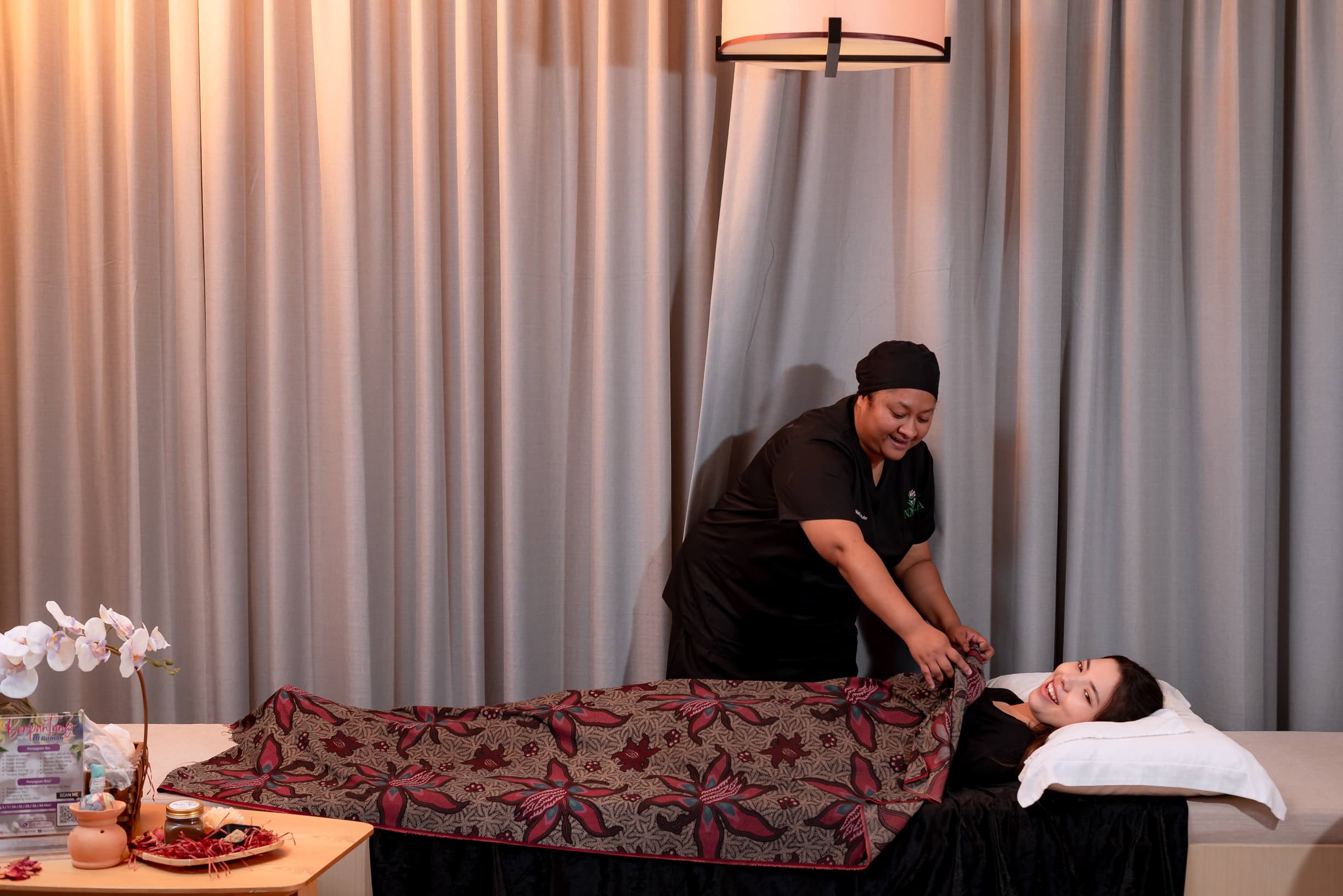
She built a team of qualified professionals, each holding at least a diploma in postnatal and therapeutic massage care. More than just trained practitioners, they are compassionate caregivers who bring empathy and presence to every client they serve.
“To maintain high standards, my team participates in monthly Continuous Medical Education (CME) sessions, staying updated on best practices while reinforcing the organisation’s care values,”she added.
For Naila, success is not measured in profit margins alone. It is seen in the confidence of a mother who feels supported, the relief of a family who trusts her service, and the knowledge that she has made a difference during a life-changing time.
Naila’s vision for the future is bold. She plans to expand services to other states, beginning with Sabah, and explore opportunities in Brunei.
She hopes to introduce mobile care units to reach rural communities and partner with local clinics to integrate postpartum care into mainstream maternal health services.
On the digital front, she aims to launch a secure client platform for scheduling, communication, and personalised care tracking. She is also developing branded products, such as postpartum recovery kits, herbal hot compresses (tungku herba), and handmade postpartum body wraps (bengkung).
Naila also envisions establishing a training centre to prepare the next generation of postpartum care professionals, ensuring that her values and care standards continue well into the future.
At its heart, Naila Postnatal Care is about restoring dignity, confidence, and well-being to mothers in the crucial weeks after childbirth.
“We are here to hold mothers, so they can hold their babies with strength, love, and peace of mind,”she said.