KUCHING: The 2025 State Budget reflects a pragmatic and forward-thinking approach aimed at balancing immediate socioeconomic needs with long-term growth strategies.
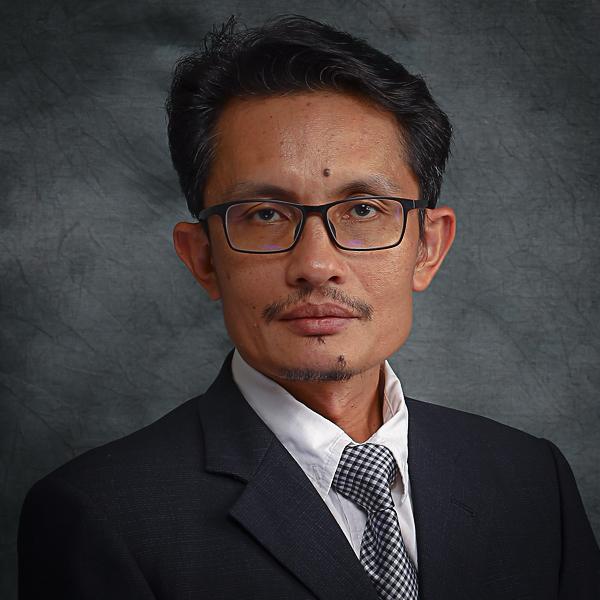
With a projected revenue of RM14.2 billion and a planned surplus, economist Mohammad Affendy Arip said that the state showcases fiscal responsibility in a post-pandemic environment.
By leveraging its resources to fund development while ensuring financial stability, he pointed out that Sarawak is presenting itself as a stable growth model that appeals to investors and international observers.
Additionally, he said, the Budget’s strategic goals target critical structural issues such as inequality, environmental sustainability, and efficient service delivery.
“By emphasising both equitable access and environmental initiatives, Sarawak acknowledges that traditional growth models may not work for future challenges.
“Building resilience into economic systems is important, and Sarawak’s dual focus on social well-being and environmental sustainability aligns well with this viewpoint.
“This approach is vital in today’s climate-conscious world, as sustainable practices are increasingly linked to long-term economic viability,” he said when contacted by Sarawak Tribune.
In light of this, he lauded the Budget strategically addresses key issues, such as inequality, infrastructure gaps, food security, and digital transformation.
“The RM10.9 billion development budget is a decisive step towards resolving infrastructure gaps, particularly in rural areas. Economically, infrastructure investment has a multiplier effect, stimulating demand for local services, creating jobs, and enabling market access.
“By channelling over RM6 billion into rural areas, Sarawak is not only addressing social equity but also investing in untapped economic potential in these communities.
“This strategic allocation could reduce the economic disparity between urban and rural populations, fostering a more inclusive growth model that economists view as essential for regional stability,” he said.
Affendy noted that Sarawak’s agriculture transformation initiative tackles one of the region’s critical vulnerabilities such as food security.
According to him, economists frequently highlight the risks of heavy import dependency, especially for essentials like food.
“Therefore, by expanding paddy fields and developing aquaculture, Sarawak not only mitigates these risks but also positions itself as a potential food exporter.
“This shift is economically beneficial, reducing the vulnerability to global food price shocks and strengthening local value chains.
“Additionally, the agriculture sector is labour-intensive, so such transformations can stimulate employment in rural areas,” he said.
Regarding the digital economy and innovation, he said that the RM470 million earmarked for digital infrastructure is timely, as the digital economy is a significant growth driver globally.
He explained that economically, digital access enables efficient resource allocation, broadens market reach, and facilitates government services, all of which boost productivity.
“By investing in digital transformation, Sarawak is positioning itself to attract tech investments and enhance overall economic efficiency. This shift can help close the digital divide between urban and rural areas, democratising access to economic opportunities and modern services,” he said.
Social protection and welfare remain key pillars of the budget, with targetted programmes such as Sumbangan Keperluan Asas Sarawak (SKAS) aimed at providing immediate relief to vulnerable groups.
“Welfare spending is crucial for maintaining consumer demand, especially among lower-income households. By supporting these groups, Sarawak can stabilise domestic consumption, which in turn supports local businesses and contributes to a more resilient economy.
“Moreover, the investment in education and skill development is another significant focus, with an emphasis on aligning human capital with market needs.
“By investing in technical training through institutions like Centre for Technology Excellence Sarawak (CENTEXS), Sarawak is building a future-ready workforce, which is essential for a diversified economy.
“This emphasis on education could also reduce youth unemployment, as a skilled labour force attracts higher-quality investments and offers a competitive advantage,” he said.