KUCHING: An overly exclusive ethnic-based politics will inevitably limit the space for wider political cooperation in Sarawak today.
Not only that, it also makes the building of durable alliances more challenging, as parties tend to prioritise narrow communal interests over broader shared agendas.
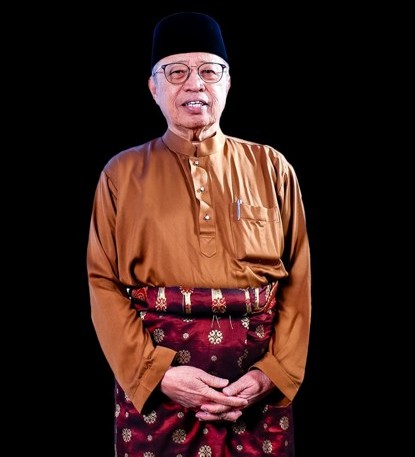
Parti Pesaka Bumiputera Bersatu’s (PBB) Supreme Council member, Wejok Tomik, said Sarawak’s multiracial and multicultural social fabric requires an inclusive political approach, as the state’s stability and progress depend largely on cooperation among diverse communities.
He explained that when politics is framed mainly along ethnic lines, it risks deepening divisions, encouraging suspicion and reducing the willingness of parties to work together beyond their traditional support bases.
He observed that some political movements in Sarawak have long been associated with ethnic-centric political narratives, focusing primarily on the interests of a single community.
“For example, some might argue that Parti Bansa Dayak Sarawak (PBDS) could still become part of a broader political coalition. Historically, the party has been widely perceived as a party advancing a Dayak-centric political agenda.
“Advocating for the rights of indigenous communities is both legitimate and important.
“Yet in a multi-ethnic society such as Sarawak, political parties perceived as too narrowly ethnic-based often face difficulty in attracting support from other communities, building trust with potential political partners, and forming alliances capable of governing the state,” he said.
Wejok, who is a practising lawyer, noted that historically, Sarawak governments have been formed through broad coalitions representing diverse communities.
He believed that political approaches perceived as overly exclusive inevitably limit the space for wider cooperation.
Wejok said Sarawak’s political landscape today is far more mature and complex than it was decades ago, adding that is the political reality in the state today.
“Voters have become increasingly pragmatic. They evaluate not only the issues raised, but also the organisational strength of a party, the credibility of its leadership, and its ability to form a stable government.
“In this environment, raising issues such as native customary rights (NCR) land and community leadership appointments may capture attention.
“But to genuinely persuade voters, a political party must also demonstrate credible leadership, organisational strength, and a realistic capacity to govern,” he said.
While ethnic identity remains a factor in Sarawak politics, voters are increasingly concerned about bread-and-butter issues and leadership credibility rather than racial rhetoric alone.
This shift suggests that parties hoping to remain relevant must move towards moderation, inclusivity and pragmatic cooperation.
In Sarawak’s evolving political climate, a broader and more united approach is seen as essential for long-term political stability and continued development.