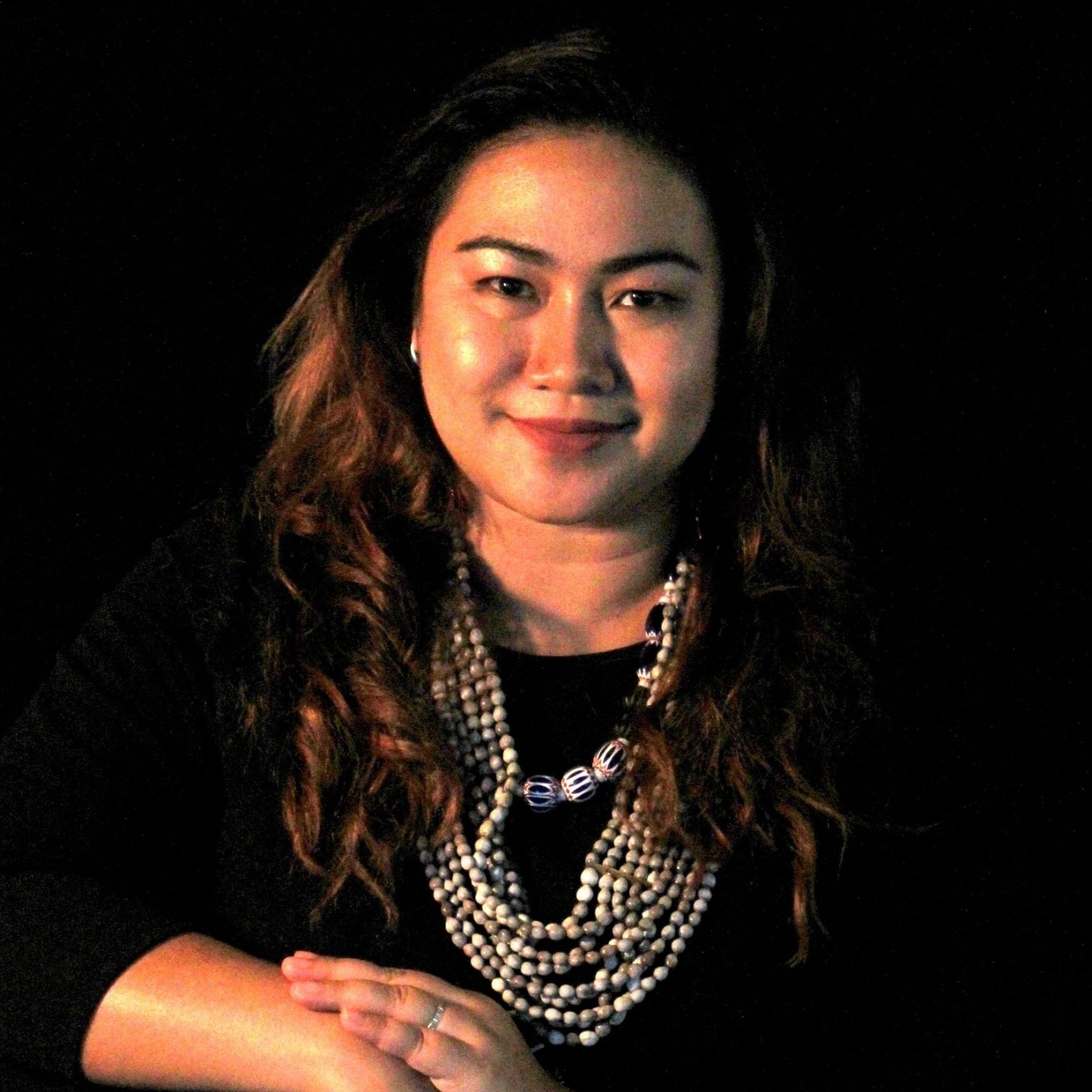
AMID modernisation, a quiet cultural revival is taking place in Sarawak, particularly in the heart of Kuching. A passionate performer of the cultural performing arts, Elizabeth Bungan, had only one mission when she first made a home in Kuching a decade ago – to ensure the continuation of Dayak culture among the younger generation.
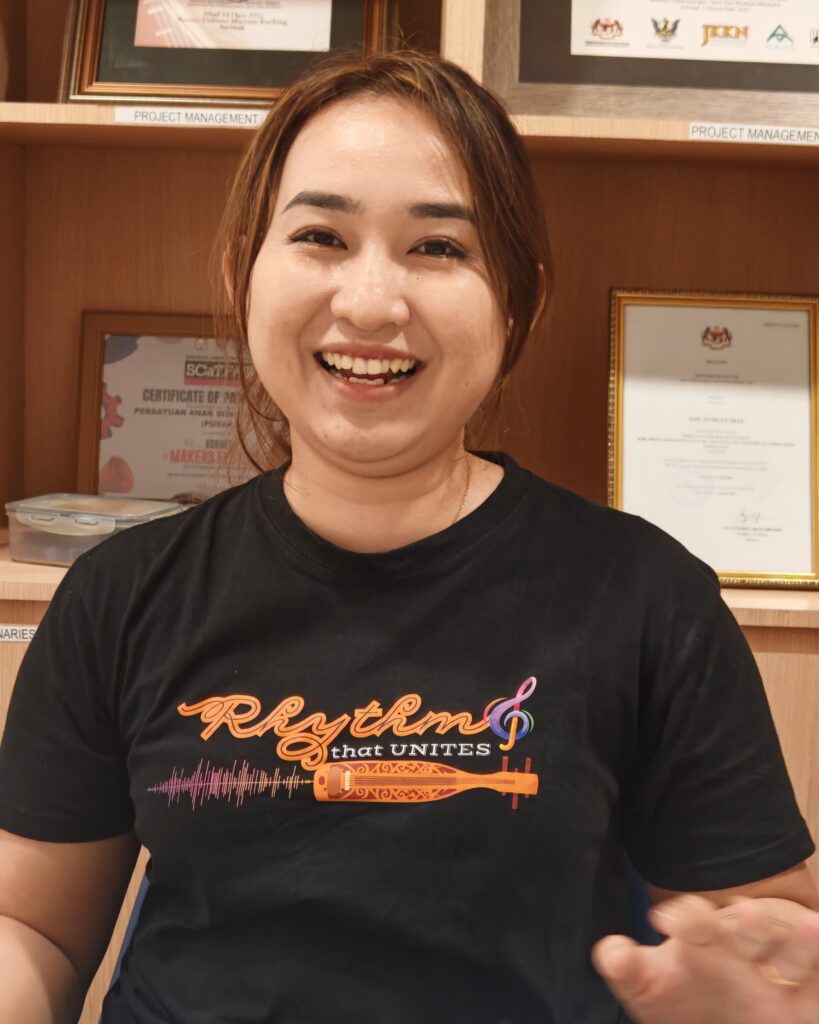
Elizabeth’s dedication to nurturing Sarawak’s heritage blossomed from a movement – one that’s grounded in tradition but embraces the rhythm of change.
“I moved to the city and couldn’t see much of the tradition anymore,” recalls the founder of Bungan Creative.
“That’s when I asked myself – those who play contemporary, do they even know what came before?”
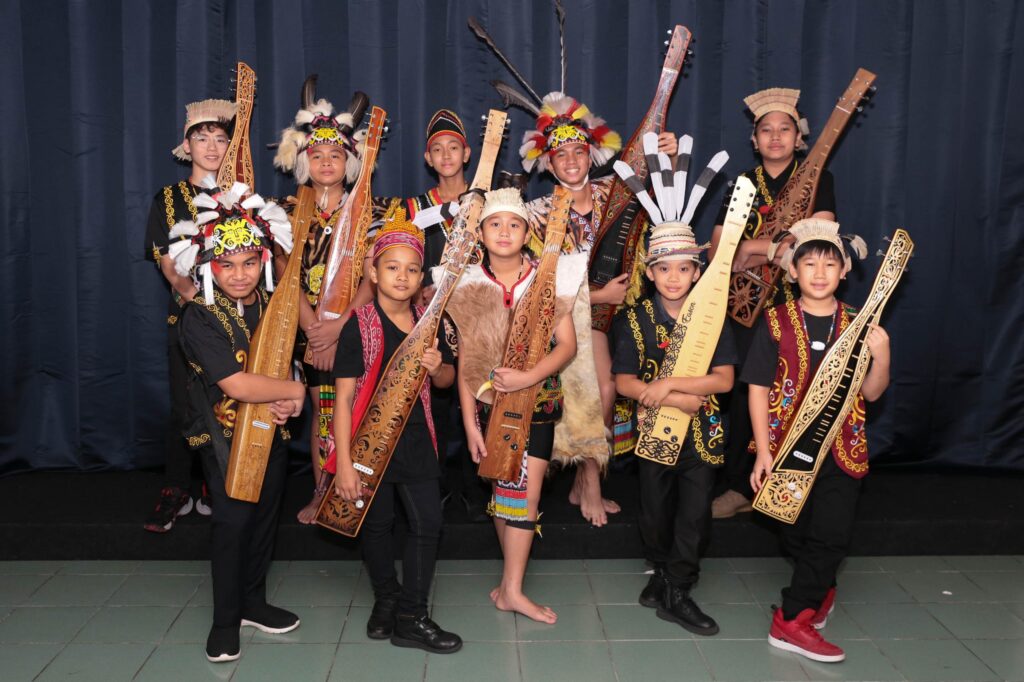
From the haunting strings of the sape to the beats of engkerumong, gendang pampat, and birogong, Bungan Creative now teaches a fusion of Iban, Bidayuh and Orang Ulu arts, with plans to introduce Melanau soon.
At its core, the studio is more than just a place to learn instruments or dance – it’s a space to reconnect with one’s cultural identity.
With Gawai now here, this sense of reconnection resonates deeply.
For the community at Bungan Creative, Gawai is not just about the paddy gathered today – it is about going home.
“It’s about going back to where you belong,” said Elizabeth, whose own roots span from Belaga to Baram and now intertwine with Iban through marriage.
“Even if you’ve gone far, at the end of the day, you still need home,” she said.
In a generation where tradition risks being lost to time, Bungan Creative plays an important role – not by resisting change, but by bridging the old and the new, the traditional and the contemporary. Because, as they believe, “If you lose your culture, you lose your identity”.
“At that time, I thought contemporary music must move alongside the traditional aspect of art, whether it is music or dance.
“It is because of the modern age that we should try to blend both – to return to our roots while remaining relevant among people today,” shared the 35-year-old.
Compared to a decade ago, Elizabeth revealed that more young Dayaks are now interested in learning traditional dance and music.
Though she draws them in with the contemporary side of heritage, she gradually introduces the traditional aspects to ensure they understand where they came from.
Humble beginnings
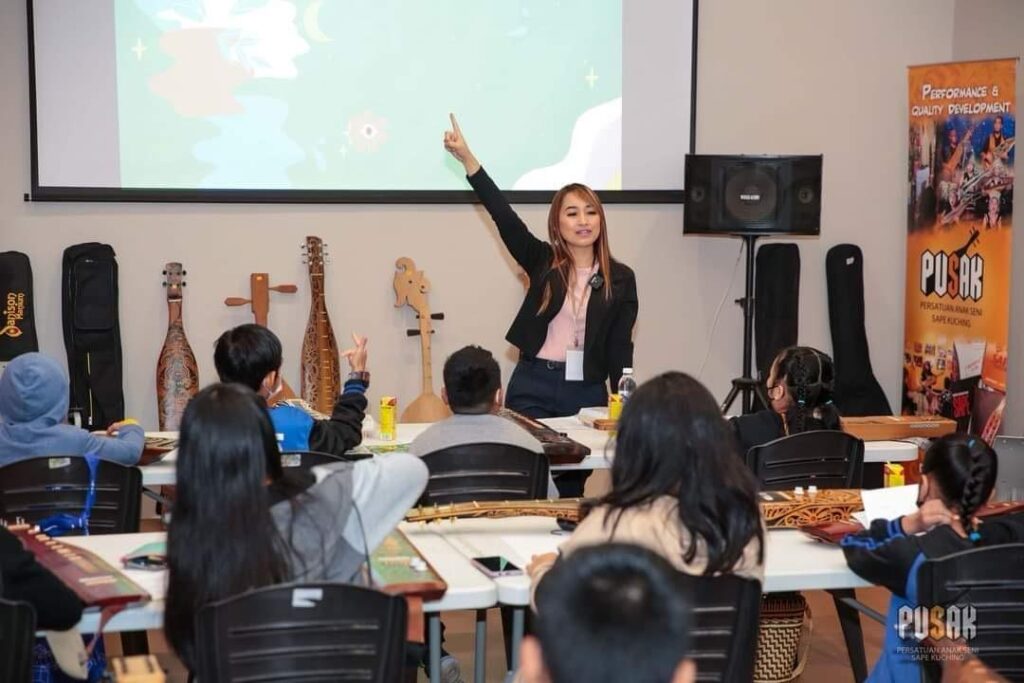
What started as a class of one to five students has now grown to more than 40, Elizabeth revealed. From teaching at home and in a tuition centre, Bungan Creative finally found its home in a studio shoplot at Sarawak Plaza, Kuching.
The number of instructors has grown too. Elizabeth is no longer the only teacher; she now recruits her past students as well as professional instructors.
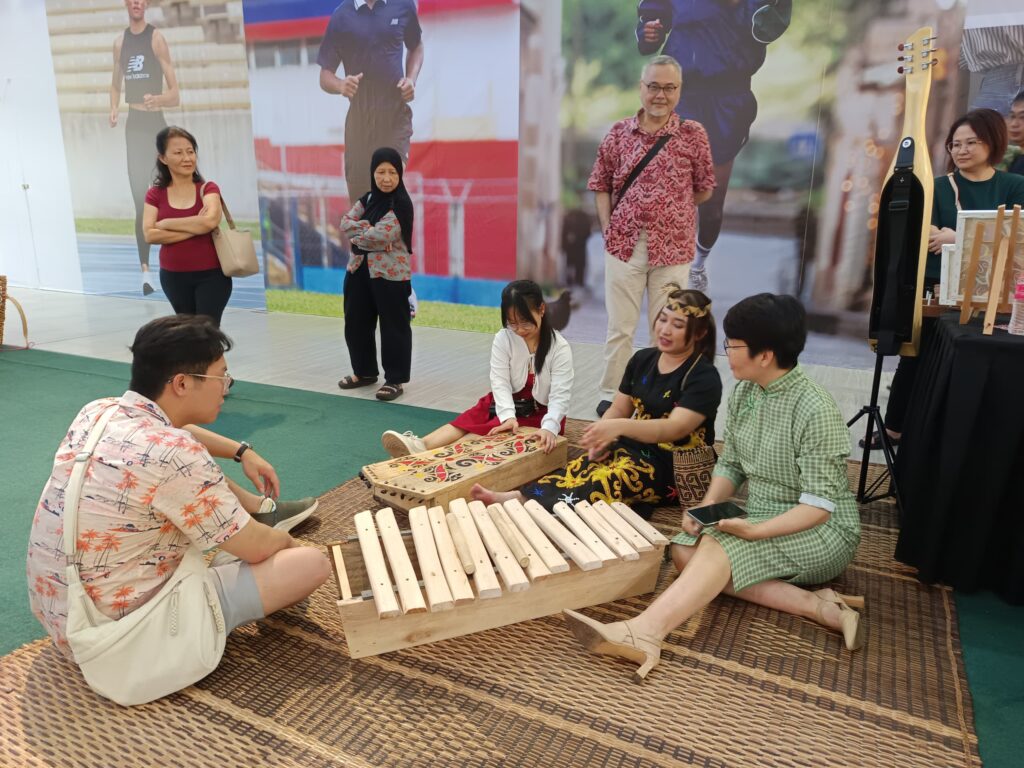
Established five years ago, Bungan Creative not only offers lessons in traditional musical instruments and cultural dances but also conducts workshops and demonstrations for the public.
She believes this is vital in reintroducing and reviving the cultural identity of Sarawak through its performing arts.
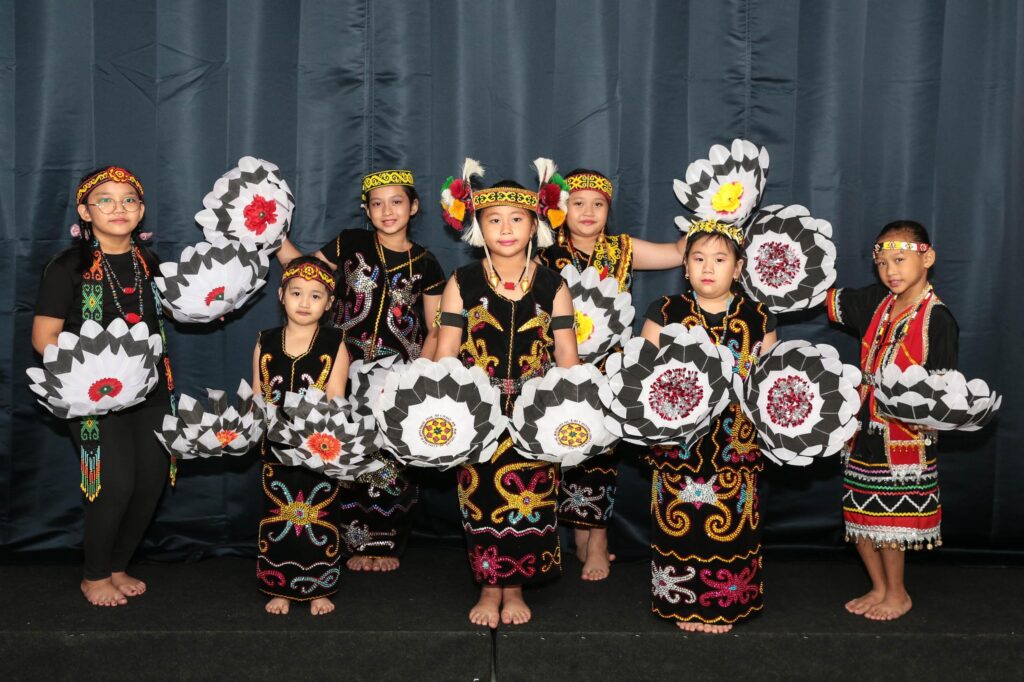
Today, students as young as four years old attend her classes at Bungan Creative’s studio. Many of these young ones begin with traditional dances and then go on to learn musical instruments.
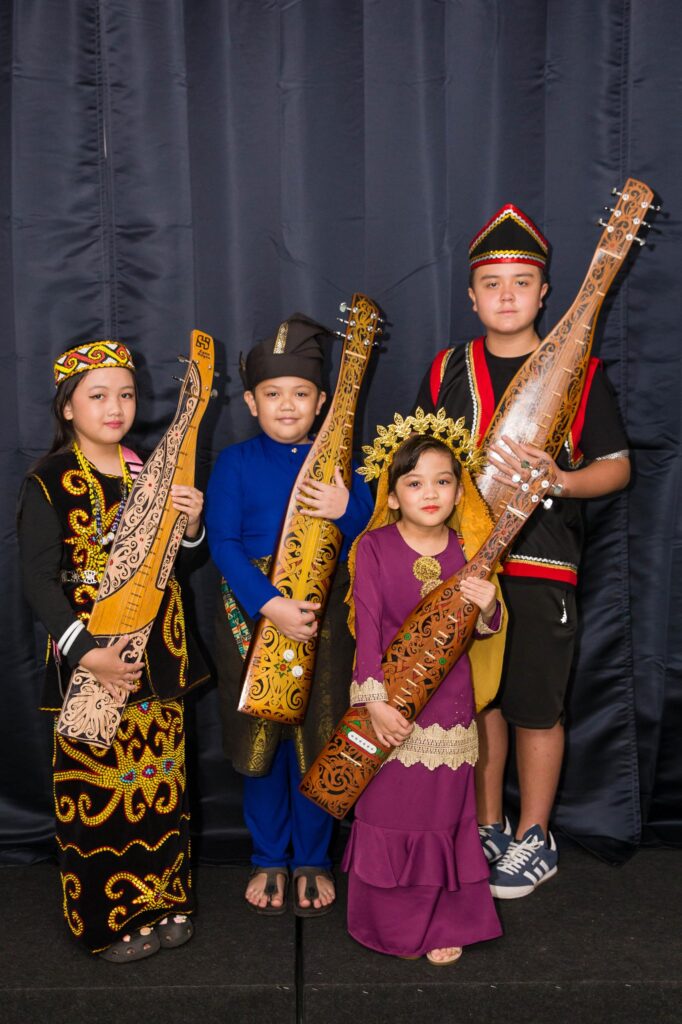
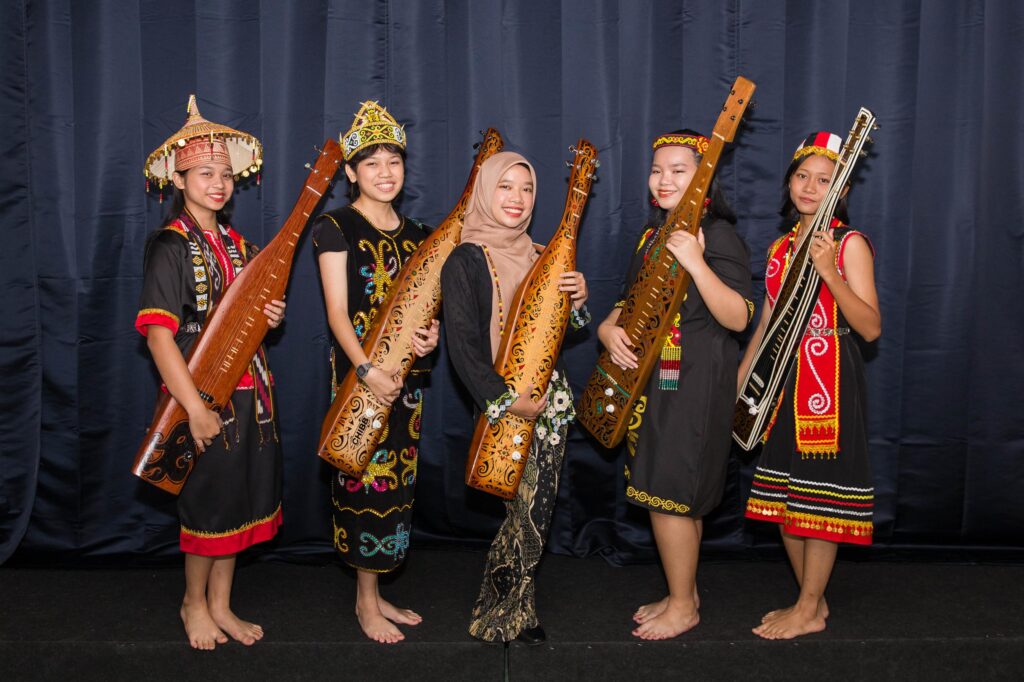
The beauty lies in the diversity of her students – not only Dayaks but also students of other races immersing themselves in the rhythms of Sarawak. To them, it is a valuable opportunity to connect with the land they grew up in and the people they walk alongside.
As for the young generation of Dayaks and Orang Ulus, it gives them the chance to reconnect with the melodies of their ancestors and better understand their cultural identity.
From the type of wood used to carve instruments to the story behind a ngajat dance or a traditional song, the experience bridges them to the past.
Knowing these stories from the olden days instils a sense of pride and belonging – and that is exactly what each Gawai stands for.
It goes beyond the familiar greeting of “Gayu guru gerai nyamai”, becoming a treasured celebration that unites communities in a shared effort to preserve culture in the 21st century.
Nevertheless, “Gayu guru, gerai nyamai, lantang senang nguan menoa” – which loosely translates to “a long, healthy and prosperous life”. Selamat Gawai to all!