KUCHING: Sarawak’s transition towards a technology-driven and low-carbon economy must be supported by a workforce that is healthy, protected and resilient to meet the demands of emerging industries.
Premier Datuk Patinggi Tan Sri Abang Johari Tun Openg said the state’s economic transformation under the Post COVID-19 Development Strategy (PCDS) 2030 would create new employment opportunities through renewable energy, the hydrogen economy, artificial intelligence (AI), digitalisation and other advanced technologies.
He said these sectors would also require workers equipped with new knowledge, technical competencies and occupational health capabilities to keep pace with the changing nature of work.
“As artificial intelligence, automation and digital technologies become more integrated into workplaces, we must examine their implications for workers, from human-machine interaction and workplace design to changing skill requirements, job security and mental well-being.
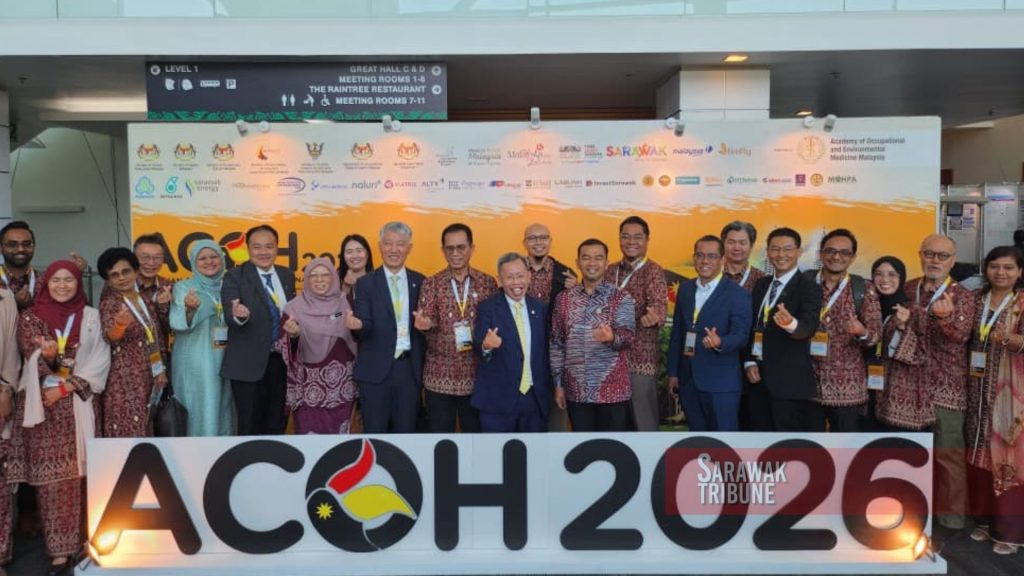
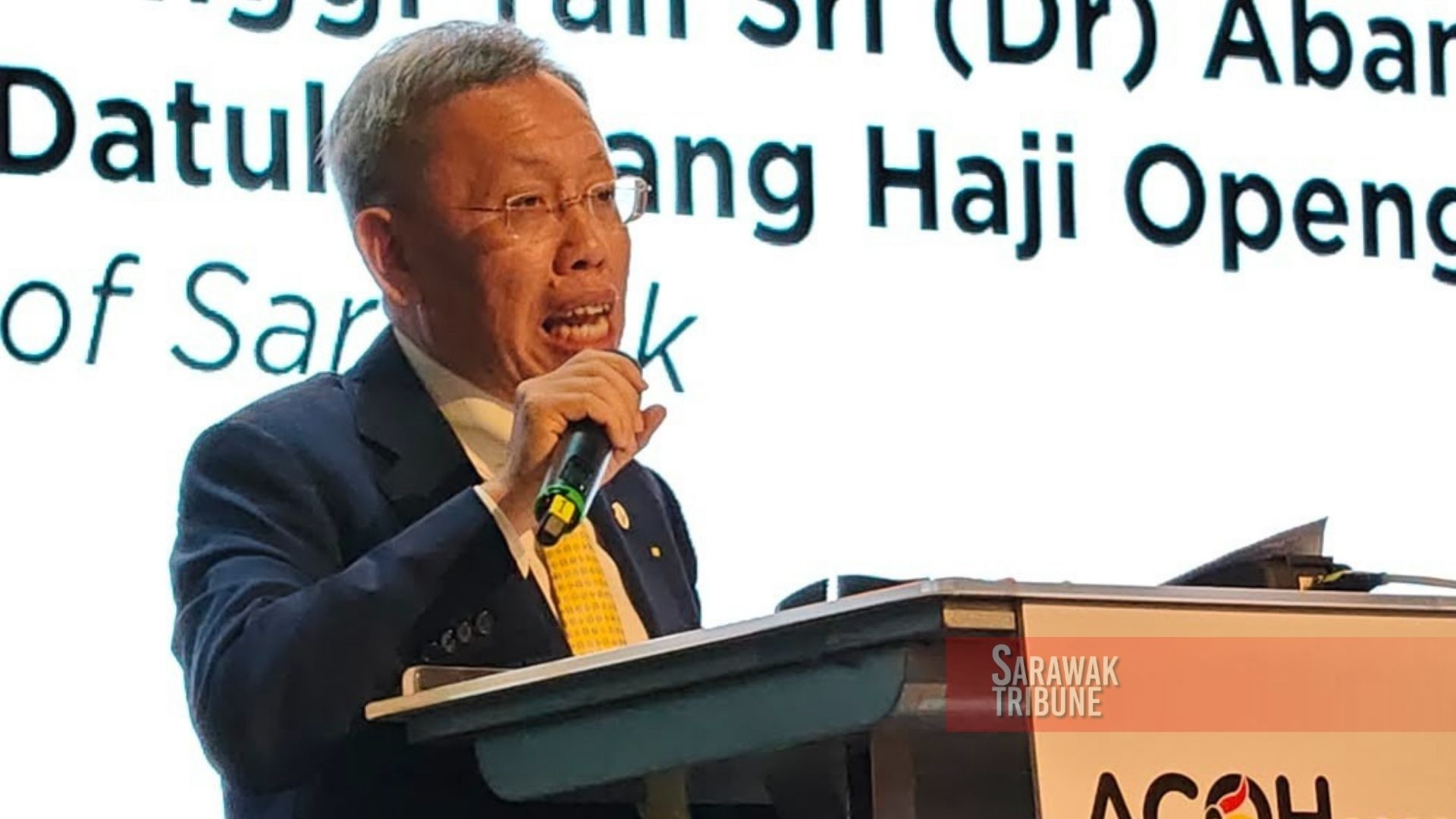
“The future of work must therefore be productive, but it must also be safe, healthy, inclusive and sustainable,” he said in a speech delivered by Deputy Premier, Datuk Amar Dr Sim Kui Hian, during the opening of the 24th Asian Congress on Occupational Health (ACOH) 2026 at the Borneo Convention Centre Kuching (BCCK) today.
Abang Johari said rapid technological advancement, automation, climate change and digitalisation had transformed the way work is organised, presenting both opportunities and new occupational health challenges.
He said new technologies could improve productivity, enhance workplace safety, and reduce workers’ exposure to hazardous environments.
However, he said occupational health must evolve beyond preventing physical injuries to address mental health, psychosocial well-being, climate-related risks and human-machine interaction.
“A productive workplace must also be a safe workplace. A technologically advanced workplace must also be a human-centred workplace,” he added.
“Most importantly, economic progress must never come at the expense of workers’ health, safety and dignity.”
Abang Johari said climate change, technological transformation, mental health and the protection of vulnerable workers were among the emerging issues requiring greater attention as workplaces continued to evolve.
He said platforms such as ACOH enable governments, academia, industry and occupational health professionals to strengthen partnerships, exchange knowledge and develop solutions to increasingly complex workplace challenges.
“We must recognise that there is no single solution that can be applied universally. Countries and communities have different economic structures, industries, workforce profiles and social circumstances.
“Our objective should therefore be to share knowledge and develop approaches that can be adapted to local realities while maintaining high standards of occupational health and worker protection,” he added.