KUCHING: The Sarawak government is continuing to prioritise rural development with major investments in infrastructure and connectivity.
For 2025, Sarawak has allocated RM10.9 billion for development, with 62 per cent going to rural areas.
Deputy Premier Datuk Amar Douglas Uggah Embas said that his ministry, Ministry of Infrastructure and Port Development (MIPD), has received RM1.3 billion which is an increase from RM774 million in 2024.
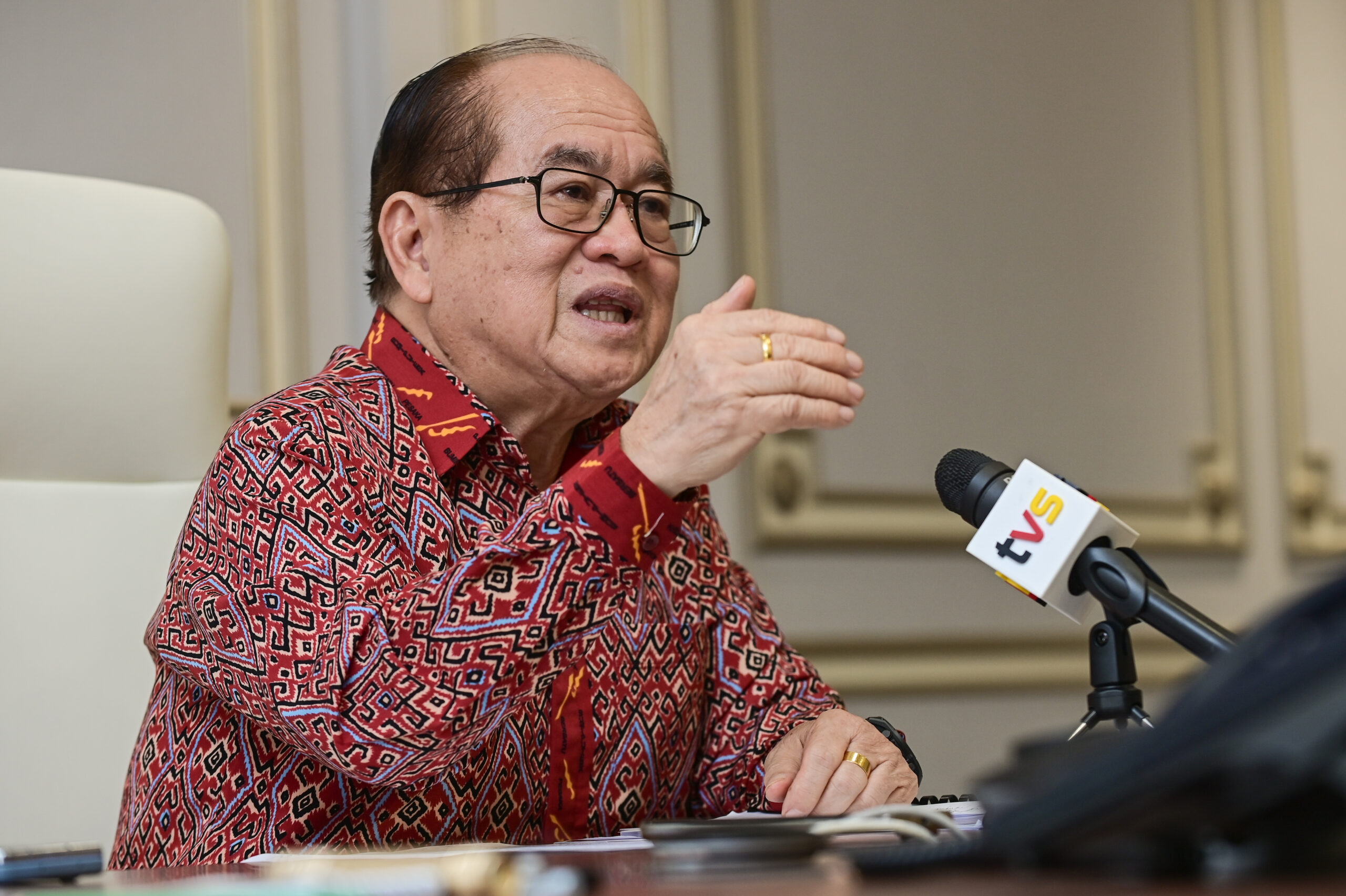
“This budget increase shows our dedication to helping rural communities,” he said during an interview today (12 Feb) at his office in Wisma Bapa Malaysia here.
To accelerate progress, the government has established nine regional development agencies.
“Each agency gets RM1.5 billion to focus on local needs,” Uggah explained.
These agencies include the Upper Rajang Development Agency (URDA), Highland Development Agency (HDA), and Northern Region Development Agency (NRDA).
The state is investing RM11 billion in the Second Trunk Road and Coastal Road projects, along with 15 bridges costing RM5.9 billion.
“The biggest challenge is making sure every rural community has road access,” Uggah said.
“Once they do, development will follow. That’s why I’m asking my JKR (Public Works Department) to have a final study of how much we need to build roads on the last mile,” he added.
Beyond connectivity, the government is addressing road damage caused by natural disasters.
“During the recent floods in Sarawak, a lot of roads were damaged. A lot of slopes fell down. The roads were damaged,” Uggah noted.
“So then, we have to look for some new technology because the consequences of the flood are indeed challenging,” he continued.
“I can say that the GPS (Gabungan Parti Sarawak) government, and our Sarawak Premier, take all the effort to make sure that the people in the rural areas benefit and enjoy development. State and federal agencies are working together to ensure effective rural development.
“Especially now, Sarawak has been recognised as a high-income province. With these projects, we are building a better future for rural Sarawakians,” Uggah concluded,