KUCHING: The proposed reduction of regional incentive allowances for healthcare personnel by the federal government could have a serious impact on healthcare delivery in Sarawak, particularly in rural and interior areas.
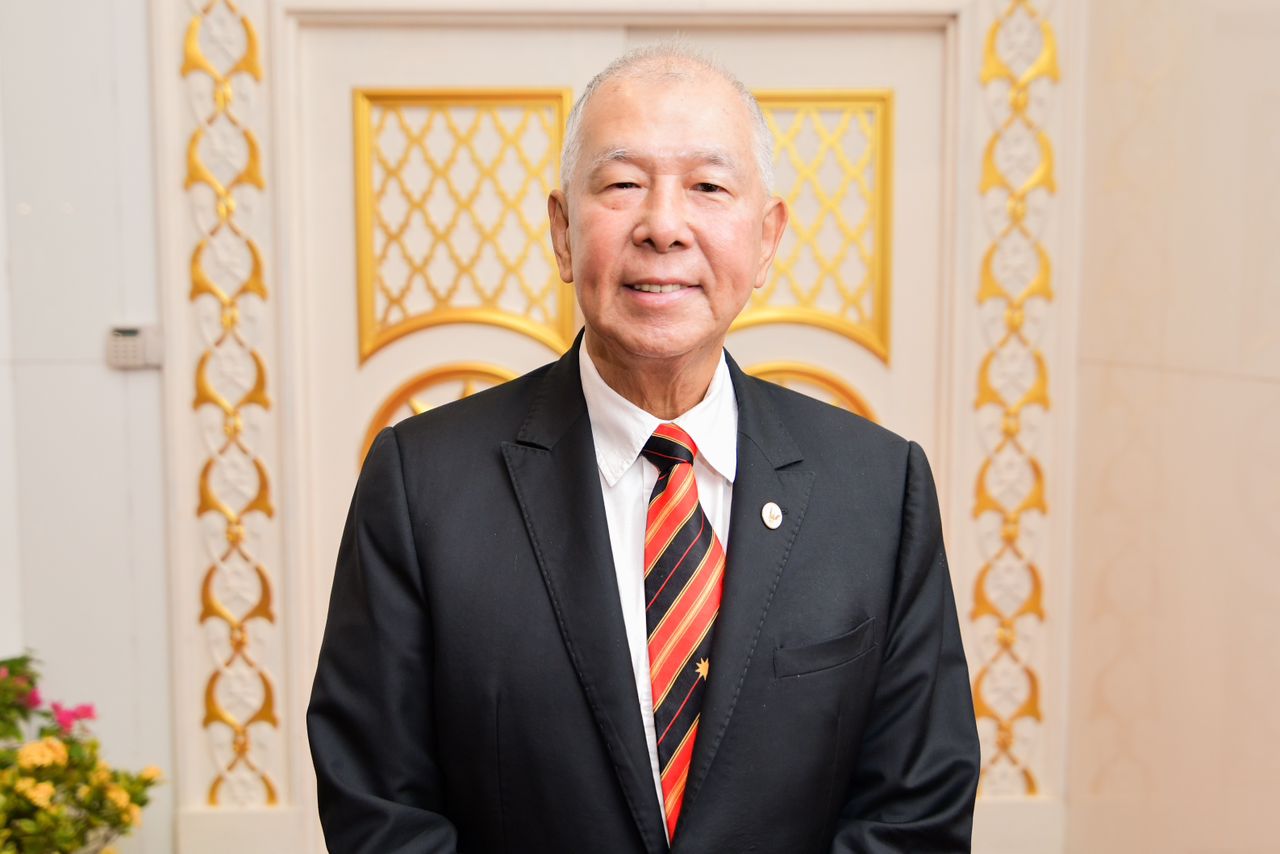
Deputy Minister for Public Health, Housing and Local Government (Public Health and Housing), Datuk Michael Tiang Ming Tee, said that the state’s unique geographical and structural challenges already make sustaining a stable healthcare workforce difficult.
“The vastness of Sarawak, the presence of remote and hard-to-reach communities, limited transport and infrastructure in interior regions, higher living costs in certain postings, and professional isolation experienced by medical officers and specialists all compound the difficulty of retaining staff,” he said in a statement.
He stressed that regional incentive allowances have never been a privilege but a necessary tool to attract, retain, and sustain healthcare professionals in postings where service conditions are objectively more demanding.
Reducing these incentives, he said, amid ongoing doctor shortages and increasing pressure on public hospitals, could accelerate attrition, discourage new postings, and compromise patient care.
He cited the October 2025 permanent appointment intake, where 293 out of 542 medical officers allocated to Sarawak, or approximately 54 per cent, did not report for duty.
“This high no-show rate is largely driven by policy decisions that overlook real challenges on the ground, including the absence of transfer allowances.
“This is not merely a workforce issue; it is a public health risk. Any further erosion of incentives will disproportionately affect rural and vulnerable populations who already face barriers to timely and quality healthcare.”
Tiang also reiterated the Sarawak government’s advocacy for healthcare autonomy under the Malaysia Agreement 1963 (MA63), saying it is crucial for closing longstanding gaps in healthcare access.
“Our agenda for healthcare autonomy must be understood as Sarawakian rights to design and implement more effective and sustainable healthcare policies that genuinely serve the needs of our people.”
He urged the federal government to reconsider the proposed reductions, engage meaningfully with state governments, professional bodies, and frontline healthcare workers, and conduct a comprehensive impact assessment before finalising any policy changes.
“Healthcare workers in Sabah and Sarawak deserve recognition, support and fairness, not policies that inadvertently penalise them for serving where the need is greatest.
“The state remains committed to working constructively with the federal Ministry of Health, but we will continue to stand firm in defending the interests of our healthcare workforce and, most importantly, the health and wellbeing of our people.”