KUCHING: The Ministry of Economy, in collaboration with the International Institute of Public Policy and Management (INPUMA), Universiti Malaya, is currently carrying out a series of nationwide public discourse sessions to gather expert and public input for the successful implementation of the 13th Malaysia Plan (13MP).
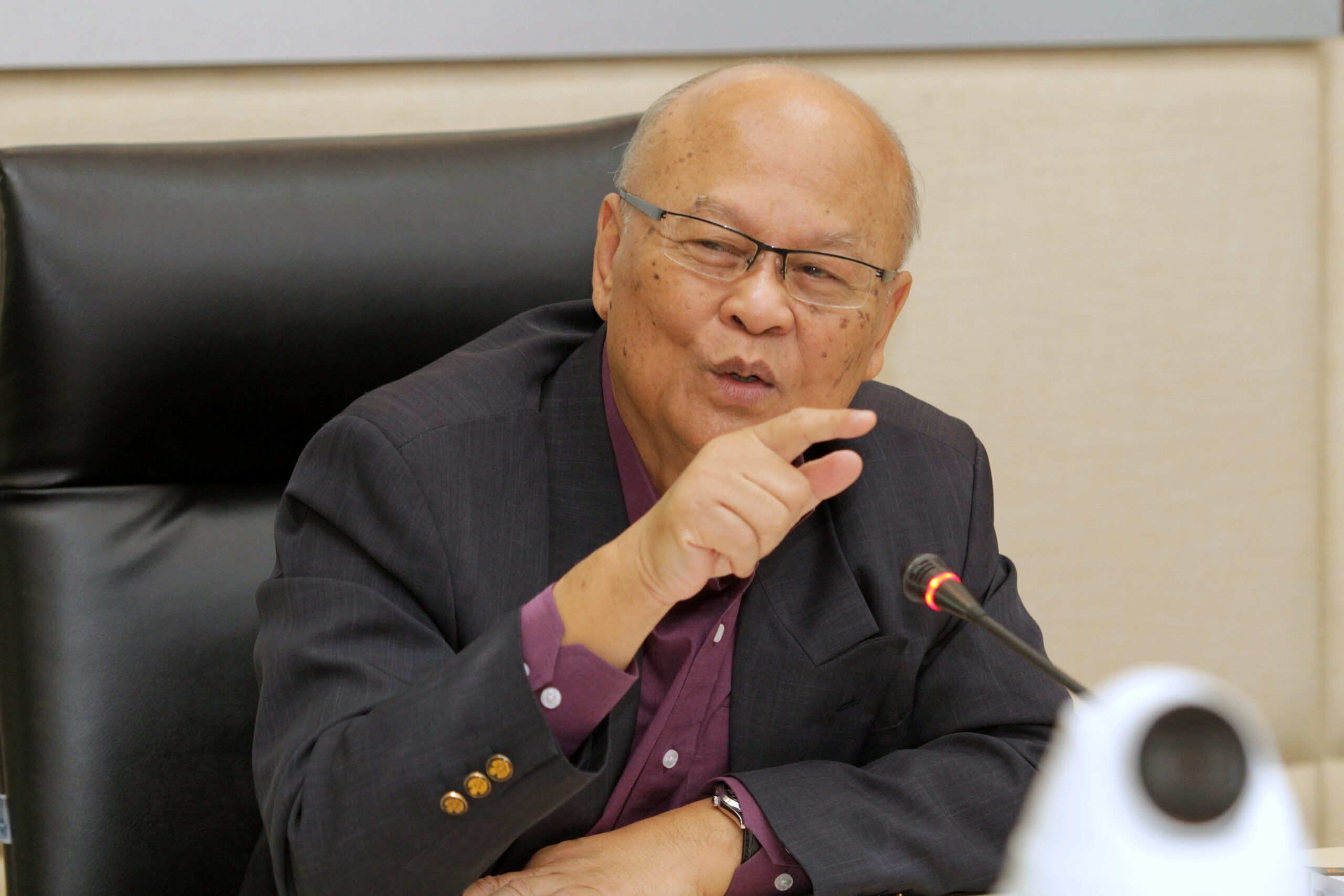
INPUMA executive director Datuk Dr Anis Yusal Yusoff said similar sessions had already been held prior to the tabling of the 13MP in July this year as part of preparations for its formulation.
“The government has done its own engagement, and we are now assisting to gather data. At this stage, even after the plan was tabled, we are still collecting input,” he said in an interview today.
He added such an approach emphasised the importance of listening to the views of the people through various channels, whether via face-to-face sessions or mass communication platforms.
“We want to listen to the pulse of the people through multiple platforms such as roadshows, rapid surveys, televised forums, radio slots, seminars as well as a national conference scheduled for October,” he said.
Thus far, he said, the engagement sessions have been conducted in several key locations including Sandakan, Kota Kinabalu, Kuala Lumpur, Alor Setar, Penang, Miri and Kuching.
“Next, similar sessions are scheduled to take place in Melaka, Johor, the east coast states, as well as Selangor, to ensure that the voices of the people from every corner of the country are comprehensively heard,” he said.
He further said among the main issues frequently raised by the public during the sessions in Miri and Kuching were the rising cost of living, especially affecting the lower-and middle-income groups.
“In addition, the quality of education was also highlighted, with concerns about overcrowded classrooms, lack of basic facilities and students studying in unconducive conditions.
“Rural healthcare facilities also came under the spotlight, with complaints regarding dilapidated clinics, insufficient ambulances and inadequate medical services to meet the needs of rural communities.
“The issue of poor internet access, power supply disruptions and difficulties in obtaining clean water were also raised, despite these matters having been repeatedly highlighted in national development plans for many many years,” he said.
Anis stressed that the real challenge did not lie solely in funding, but in weaknesses of implementation and coordination at the agency level.
“Sometimes solutions already exist at the grassroots, but they are not acted upon because some parties take advantage or fail to carry out their responsibilities to the proper capacity.
“He also reminded that every allocation announced by the government would only be meaningful if it truly reached the people, and this required an effective delivery system from the ground up,” he said.
Earlier today, experts and representatives from various sectors took part in a Focus Group Discussion (FGD) chaired by Dr Anis at the Sarawak State Library.