KUCHING: Questions continue to linger in the minds of Sarawakians over the delay in approving additional state seats that were passed by the Sarawak Legislative Assembly (DUN) last year.
Many are now asking why the process has yet to move forward, despite the proposal receiving the support of lawmakers in the august House.
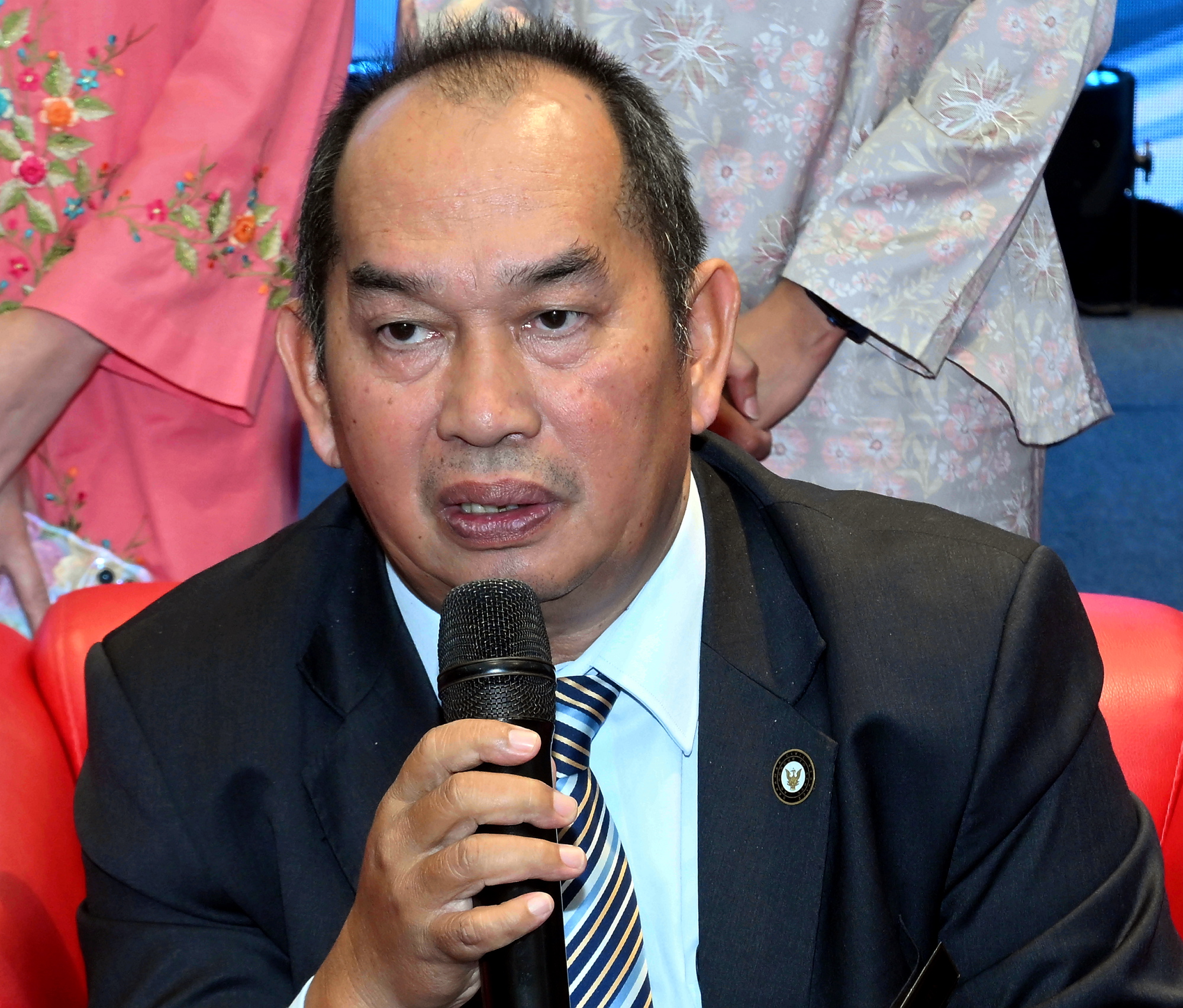
Practising lawyer Wejok Tomik said the implementation process should proceed with a greater sense of urgency. He noted that Sarawak had exercised its constitutional authority by increasing the number of state constituencies from 82 to 99, creating 17 new seats.
The decision was passed through the DUN following the proper legislative process.
“Sarawak has therefore fulfilled its constitutional responsibilities. What remains is for the Election Commission, under Article 113 of the Federal Constitution, to carry out the necessary delimitation exercise to implement the decision.
“The Commission’s role in this matter is administrative. It is not meant to become another prolonged exercise in institutional hesitation,” he said.
Wejok, a Parti Pesaka Bumiputera Bersatu (PBB) supreme council member, added that with the next Sarawak state election widely expected around 2026, one might reasonably expect the implementation process to move with urgency.
“Instead, progress appears to move at a pace that can only be described as remarkably patient. Perhaps the assumption is that constitutional safeguards, unlike other national priorities, improve with age if left long enough under discussion,” he said.
He added that the people of Sarawak are entitled to ask a simple question: If constitutional commitments made in 1963 still require indefinite discussion in 2026, when exactly are they expected to be implemented?
“This is not about political advantage. It is about constitutional credibility. The implementation of Sarawak’s 17 new state seats should not be delayed by administrative inertia. Sarawak has acted within the law. The federal institutions must now demonstrate the same commitment,” he said.
Observers say the expansion of constituencies is expected to allow elected representatives to better serve communities, particularly in rural and remote areas where constituencies often cover vast territories.
The move may also help address long-standing concerns that some representatives are currently responsible for constituencies too large to be effectively managed.
The issue has drawn public attention ahead of the state election, with many voters keen to know whether the new seats will be implemented before the polls.
For now, Sarawakians continue to wait for a clear timeline on the next stage of the process, hoping that necessary approvals will be granted soon so the implementation can move forward.