As Chinese New Year celebrations continue across the city, Kupi Belian demonstrates that festive abundance isn’t just about treats — it’s about opportunity, empowerment, and inclusion for children with autism.
How Kupi Belian empowers children with autism
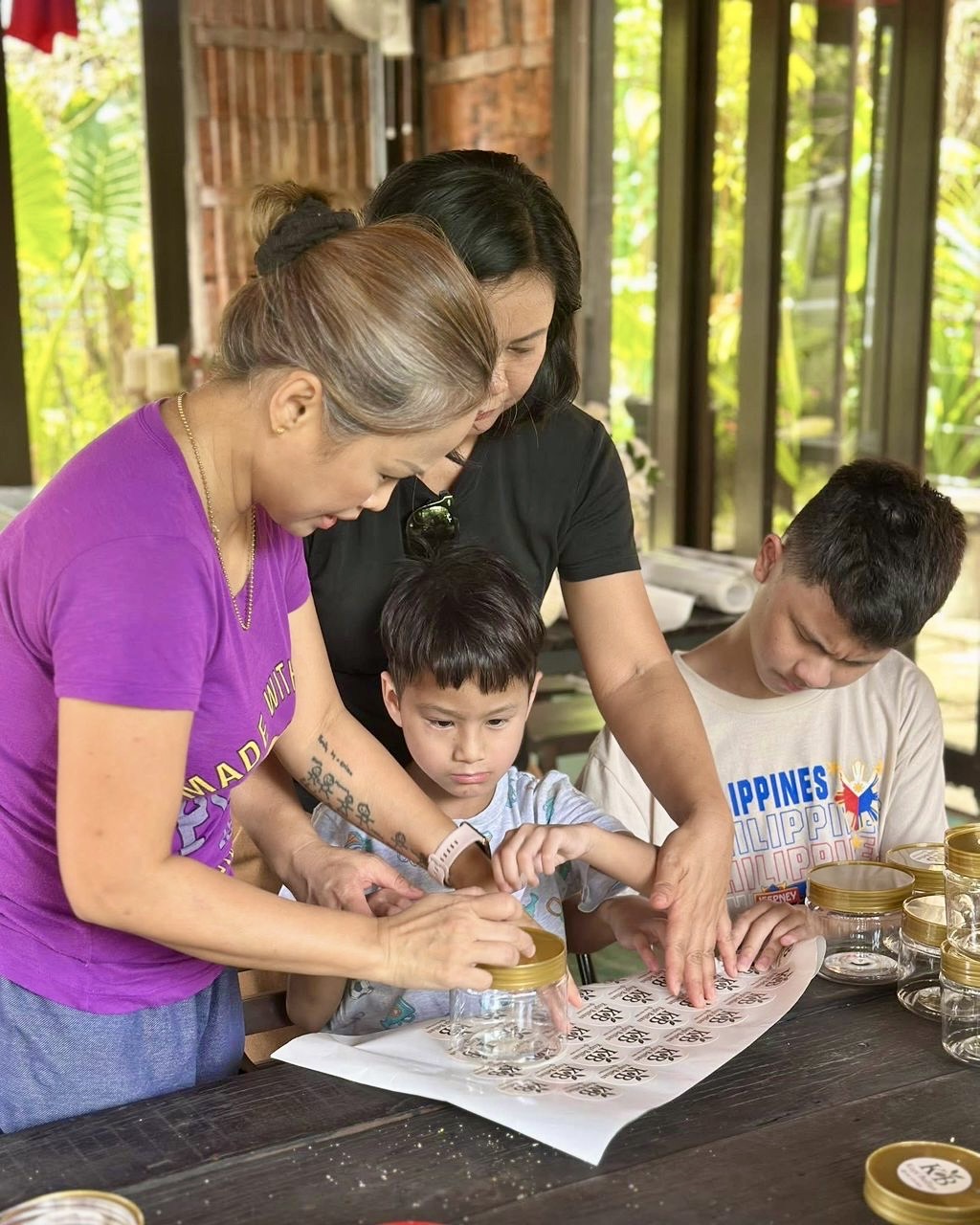
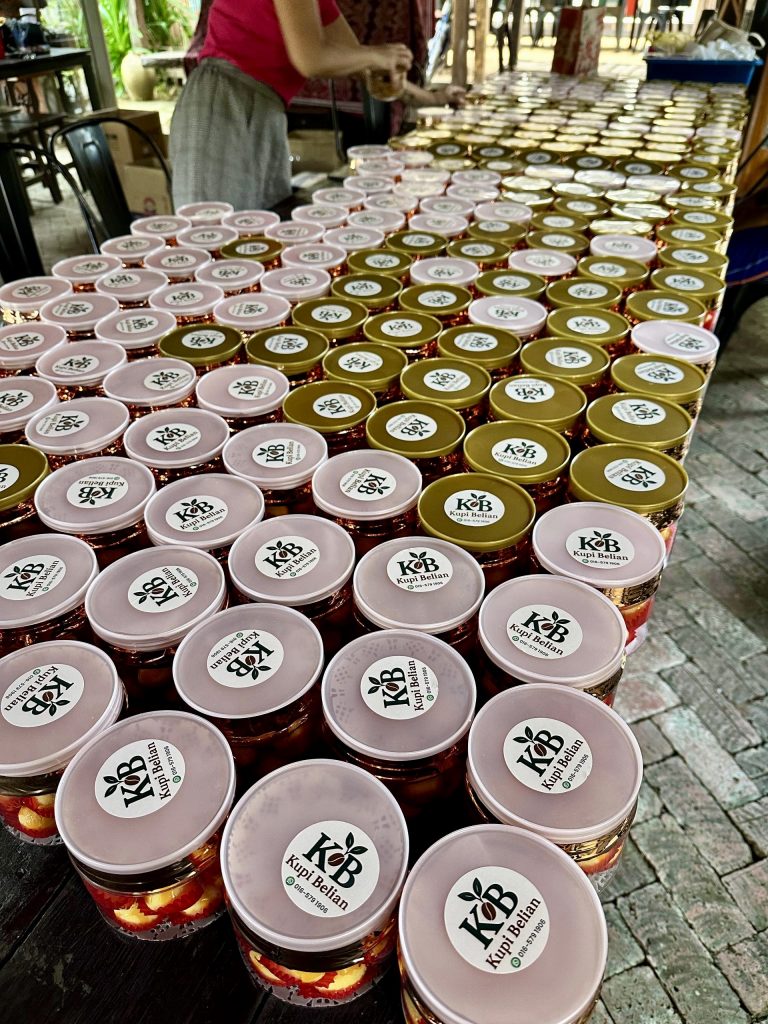
On a long table scattered with plastic containers and white labels, a pair of hands presses a sticker carefully onto a lid.
Not too fast. Not crooked. Just right.
Across the table, another child concentrates on sealing a container shut, applying gentle pressure until it clicks into place. A mother watches quietly, ready to guide but not take over.
Across the city, the festive season continues — visits, open houses and trays of cookies still making their rounds.
Inside this humble workspace, however, the rhythm is slower. Intentional. Measured.
Here, Chinese New Year is not only about celebration.
It is about capability.
Where confidence begins
Kupi Belian was born from a simple hope — to create meaningful opportunities for children with autism to learn practical skills, build confidence and feel included in the community.
“We wanted a space where their abilities are recognised, nurtured and celebrated — not their limitations,” said Stephanie Goh, one of its founders.
Formed by a group of dedicated mothers, the grassroots initiative began with a modest idea: repacking cookies for sale during the festive season. It may appear ordinary on the surface. But for the families involved, it represents something far greater.
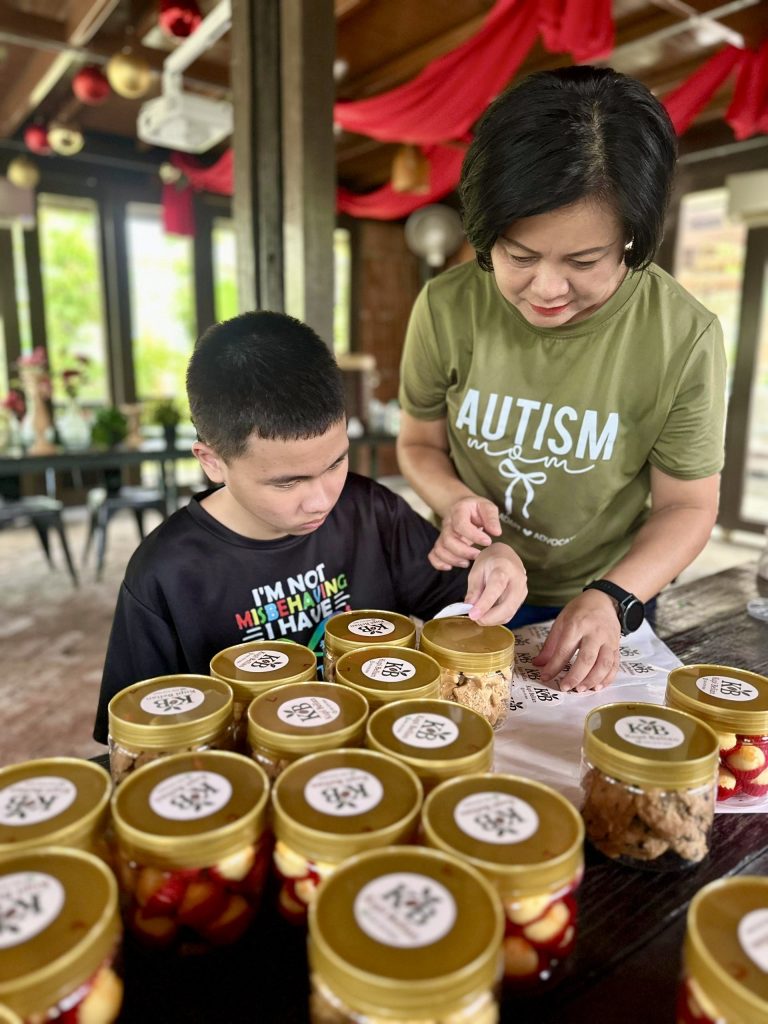
The project is carefully coordinated. Orders are managed by the mothers, while the children take part in preparing, packing, labelling and organising the festive cookies.
Every task is structured and adapted so each child can participate comfortably and experience success.
Roles are assigned according to individual strengths and comfort levels.
Some children focus on placing Kupi Belian stickers on the lids, aligning each one with deliberate precision. Others secure the lids, stack the finished jars neatly, or help organise them for delivery.
There is no single definition of contribution here. Every role matters.
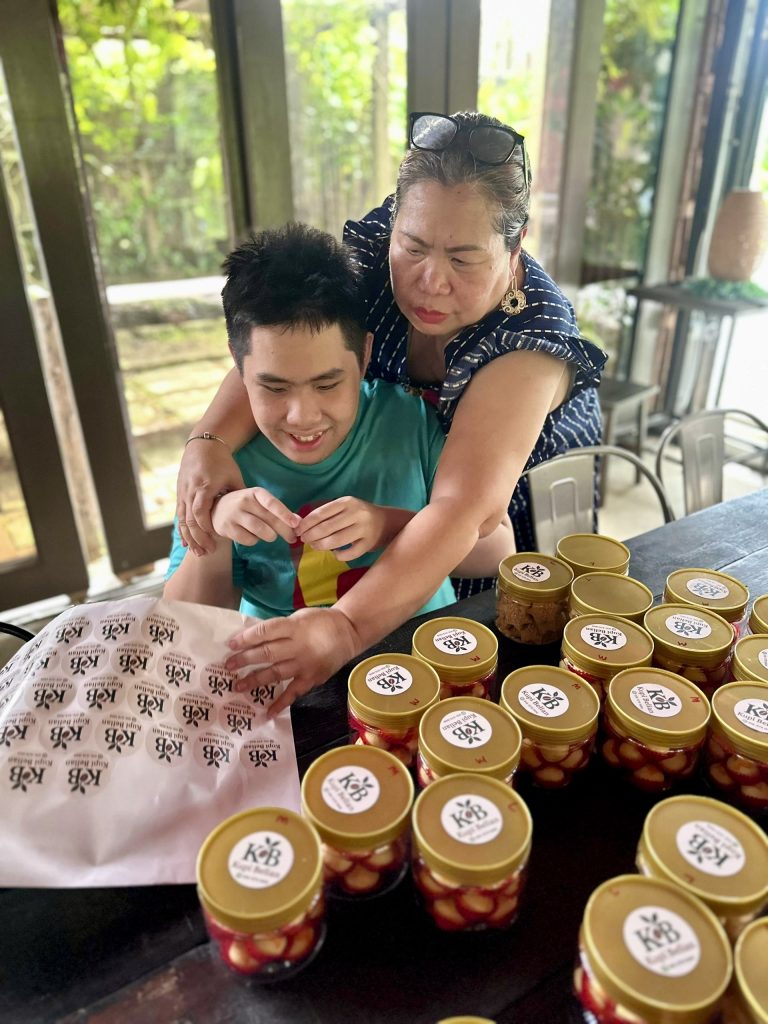
Beyond cookie packing, the children are learning skills that extend far beyond the festive season.
They practise following instructions, taking responsibility, working alongside others, and managing small but meaningful tasks from start to finish. Fine motor coordination improves. Focus sharpens. Confidence grows.
“These are small steps but they contribute to long-term independence,” Goh explained.
Independence — that word carries weight for many parents of children on the autism spectrum. It is both a hope and a horizon. And it is built, not in dramatic leaps, but in quiet, repeated victories.
Chinese New Year, often described as a time of renewal, prosperity and generosity, offers an unexpected stage for these victories to unfold.
Participation, not pity
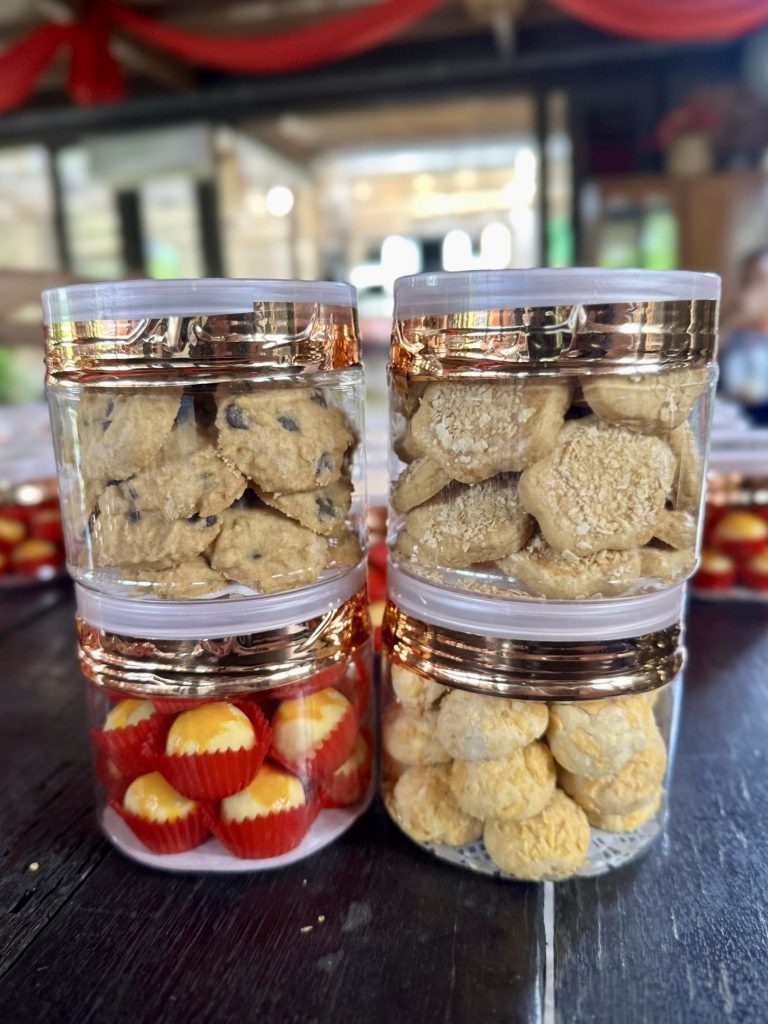
Traditionally, the season revolves around abundance — trays of pineapple tarts, jars of butter cookies, mandarin oranges stacked high in living rooms awaiting visiting relatives. Yet Kupi Belian gently shifts the meaning of abundance.
Instead of focusing solely on what families receive during the festivities, the project highlights what these children can give.
By creating festive treats enjoyed by the public, the children become active contributors to community celebrations.
The cookies they pack will sit on coffee tables, be shared among guests, and be offered during house visits. Their work enters homes and conversations.
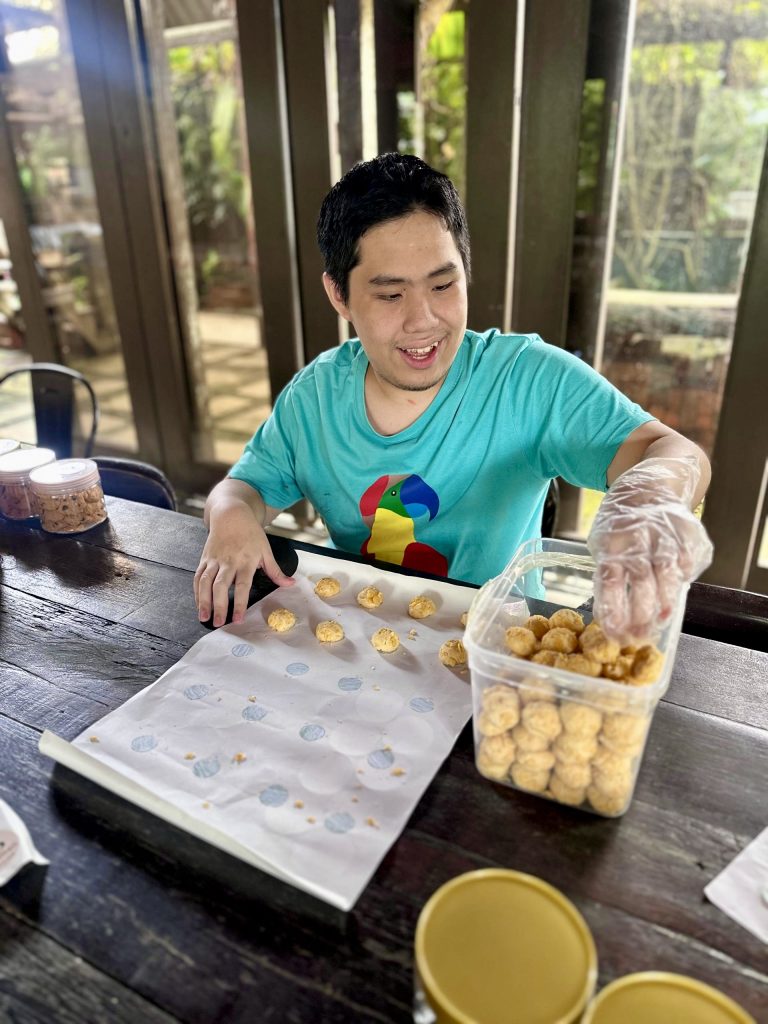
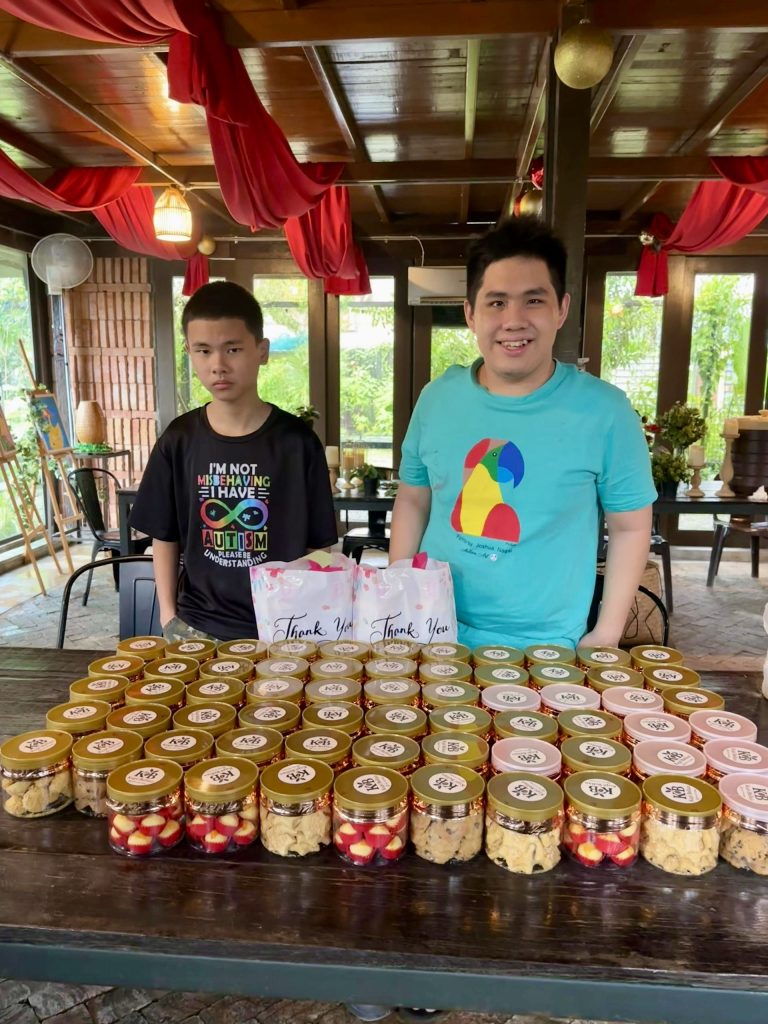
“Inclusion is not charity. It is participation,” added the 55-year-old mother.
That distinction matters.
Too often, conversations about autism are framed around support, assistance or accommodation. Kupi Belian reframes the narrative.
It shows what happens when opportunities are created thoughtfully and when belief comes before doubt.
Each sale is more than a purchase. It is an acknowledgement — a recognition that these children are capable and valuable contributors when given the right support.
Growth at their own pace
Still, the journey is not without challenges.
Festive seasons can be particularly demanding. Noise levels rise. Schedules become unpredictable. Expectations increase. For children with sensory sensitivities, the heightened pace can feel overwhelming.
“Festive periods can be busy and overstimulating,” Goh admitted.
“We manage this through careful planning, flexible pacing, and always prioritising the children’s emotional wellbeing over production speed,” she added.
There are no rushed deadlines that override a child’s comfort. If someone needs a break, they take one. If a task feels overwhelming, it is adjusted.
The goal is never to produce the highest number of tins. The goal is growth.
And growth, as any parent knows, cannot be forced.
The response from the community has been encouraging. Orders have steadily come in. Messages of support accompany payments. Many customers say they are not only buying cookies — they are supporting a cause that resonates.
“The encouragement affirms that people are ready to embrace inclusive initiatives and celebrate the children’s efforts,” Goh said.
In a season often associated with good fortune and blessings, perhaps there is something quietly transformative about choosing to support dignity.
Kupi Belian’s ambitions extend beyond Chinese New Year. While festive projects provide a starting point, Goh hopes to expand into packing door gifts for seminars, weddings and birthdays through collaborations with organisations and event planners.
The vision is sustainability — creating ongoing, real-world opportunities for the children to continue learning and contributing throughout the year.
The mothers speak often about earning with dignity. About showing the world what their children can do. About building a brand step by step, not as a token initiative, but as a serious and meaningful enterprise.
And yet, for all the future plans and practical considerations, the most powerful moments remain deeply personal.
“The most rewarding moments are seeing the children’s pride and joy when they realise they helped create something meaningful for others,” Goh reflected.
It might be a smile when a finished jar is placed on the table. A quiet declaration of “I did this”. A glance at their parents, seeking — and finding — approval.
That sense of achievement cannot be wrapped in red paper or placed inside an angpao envelope.
It is, in many ways, the true prosperity of the season.
The true prosperity of the season
Chinese New Year has always been about reunion — families gathering, generations sitting around the same table. Perhaps it is also about expanding that table.
Making space not only for tradition, but for understanding.
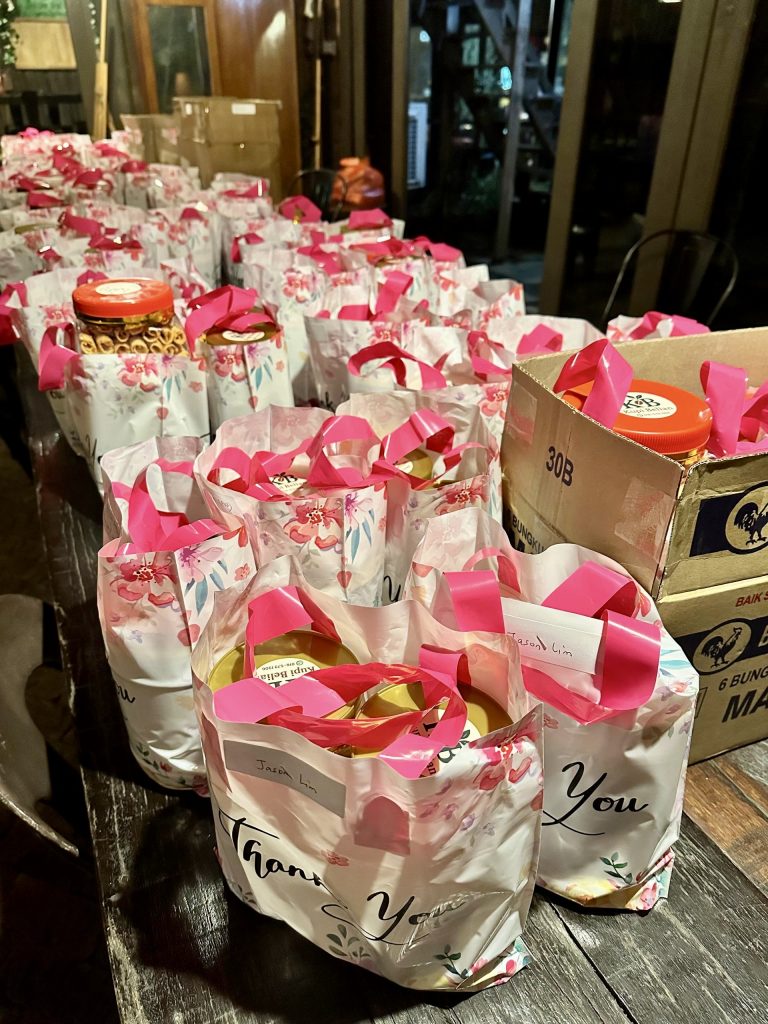
Not only for celebration, but for participation.
When a jar of cookies prepared by Kupi Belian finds its way into a home this year, it carries more than festive sweetness. It carries hours of focus, patient guidance, careful structure and growing confidence.
It carries belief.
And belief, as Goh says, is where inclusion begins.
So, as lanterns glow and doors open to welcome visiting relatives, perhaps the spirit of the season can stretch just a little further — beyond prosperity and into possibility.
The most meaningful celebrations are not always the loudest. They unfold quietly, in moments when a child realises they are capable — and a community chooses to recognise it.