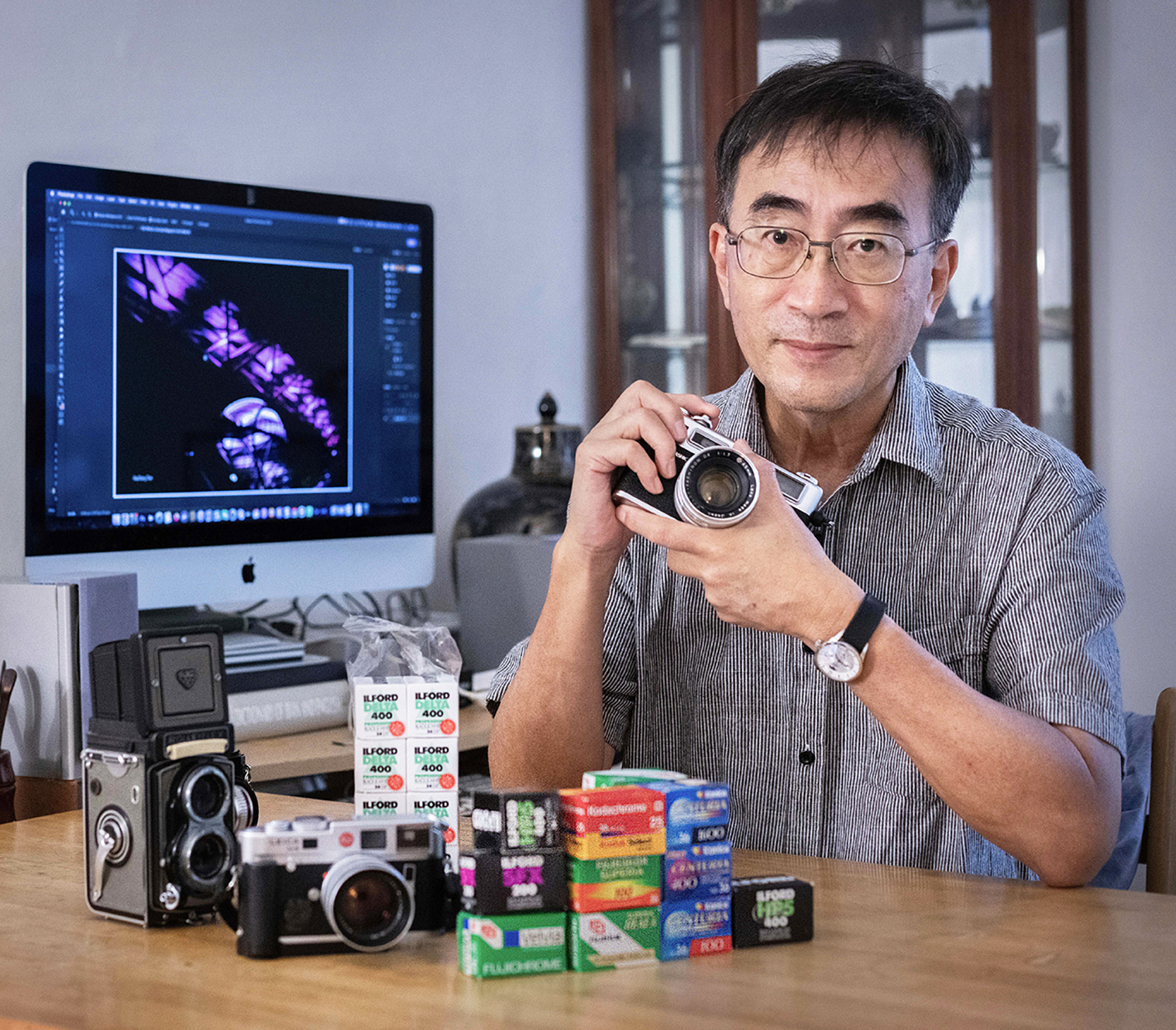
Once considered a relic of the past, film photography is making a quiet comeback. Kuching photographer Chan Hua Chiang, who has kept decades-old rolls of film in pristine condition, shows how analogue images can capture mood, texture, and emotion in ways that digital simply cannot.
The unique look and feel of film
When digital cameras took over the photography market in the early 2000s, many believed film photography would soon disappear. Digital was faster, cheaper, and more convenient. Yet film never truly died. Its legacy persisted, and in recent years, film photography has quietly made a comeback. Many hobbyists and professionals are once again drawn to the beauty and character of analogue images.
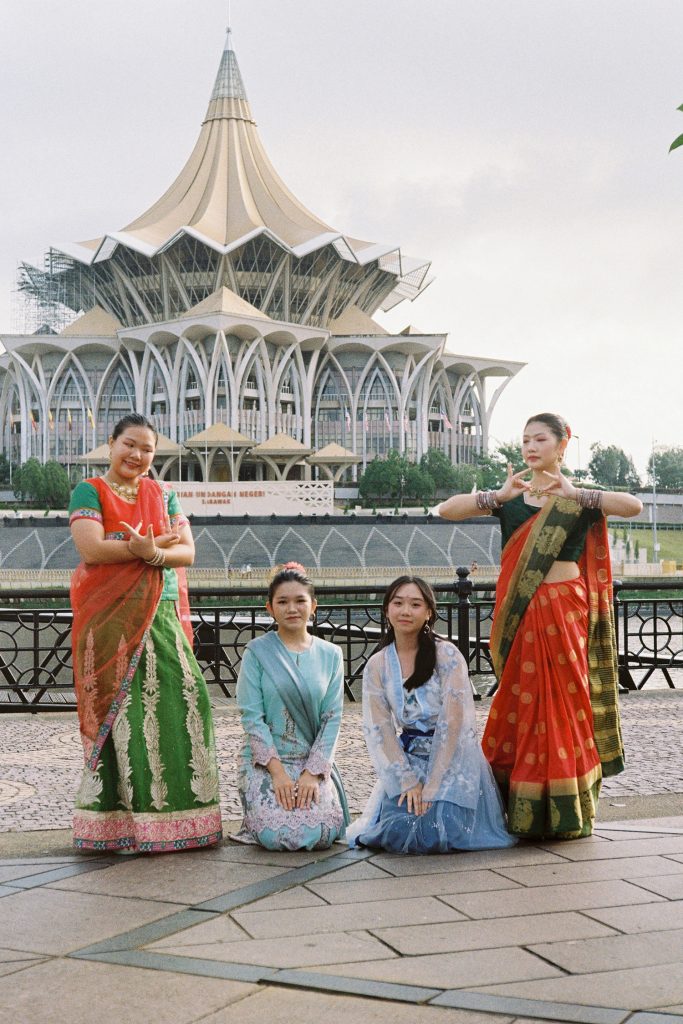
In Kuching, this renewed interest became particularly visible when well-known photographer Chan Hua Chiang uploaded photos shot on films that had expired 20 years ago to his Facebook page.
He had kept these rolls in his refrigerator for two decades. To everyone’s surprise, the images still displayed good detail and contrast. Although some colours had shifted and the grain was heavier, the photographs remained usable and visually appealing.
Chan, with over 30 years of photography experience, is a Fellow of the Royal Photographic Society (FRPS) in Great Britain. He is also the Honorary Advisor to the Society of Photographers, Malaysia (SPM).
Even in a world dominated by digital technology, Chan continues to use film cameras for certain occasions. For him, film evokes the emotions and discipline that first made him fall in love with photography.


Why choose film?
Chan emphasises that shooting film is not about rejecting modern technology. Instead, it is about slowing down and paying attention. With only 36 shots on a roll — each costing around RM2 — every frame becomes important. Film forces him to consider composition, lighting, and timing before pressing the shutter button. While digital cameras allow endless shots, film encourages patience and intention.
He also enjoys the waiting process. After shooting, he sends the film for processing and waits several days to see the results. This slow reveal creates a sense of excitement that instant digital previews cannot replicate.
The look and feel of film
Chan believes film has visual qualities that digital still cannot fully imitate. Film captures tones, textures, and skin colours in a natural and pleasing way. Grain, slight colour shifts, and small imperfections give film photos a unique charm. Each type of film stock has its own “personality,” producing different colours, contrasts, and moods. For Chan, choosing film is part of the creative process.
Why keep films for 20 years?
In the early 2000s, many film labs closed as digital became dominant. During a trip in 2000, Chan shot several rolls he believed contained culturally significant images. Without proper labs available, he stored them in his refrigerator, hoping that one day he could develop them. True to his prediction, when film photography began to rise again in recent years, he finally processed these rolls.
Chan sends all his films — fresh or expired — to Darkroom 8 in Kuala Lumpur, one of the few labs still capable of handling such materials. Some of his Kuching friends develop their own film at home, producing unpredictable but charming results.


How does expired film perform?
Working with decades-old film became an experiment. Chan was curious how time had altered the emulsion. Expired colour film loses sensitivity over the years, and he often rates it one stop slower for every decade past its expiry. Strange colour casts — magenta or yellow — are common. Black-and-white film, however, survives more gracefully, still producing rich tonal ranges though with heavier grain.
Only films stored in cold conditions tend to remain usable, as low temperatures slow chemical degradation. Films left at room temperature usually become unusable.
Film or digital — which is better?
Chan believes both have their strengths. Digital offers speed, accuracy, and convenience, while film provides mood, emotion, and a timeless quality.
“Digital records what is there,” he says. “Film captures what it feels like to be there — the mood.”
For him, the choice is simple: use whichever medium best tells the story and creates the desired images.
Of course, these film images can also be scanned into digital format and edited, just like other digital photos, to achieve the intended effect.
There is a growing global trend of photographers returning to film photography, including in Malaysia and Kuching. Some camera makers are releasing new film cameras, and classic film companies such as Kodak, ILFORD, and Fujifilm have resumed production of new films, including Kodacolor (Kodak), Phoenix (ILFORD), and Lucky (China brand), catering to photographers seeking the unique characteristics of film.