Regenerative medicine represents one of the most promising frontiers in modern healthcare. It focuses on repairing, replacing, and restoring damaged cells, tissues, and organs by combining the body’s natural healing processes with advanced innovations such as stem cell therapy and lab-grown tissue engineering.

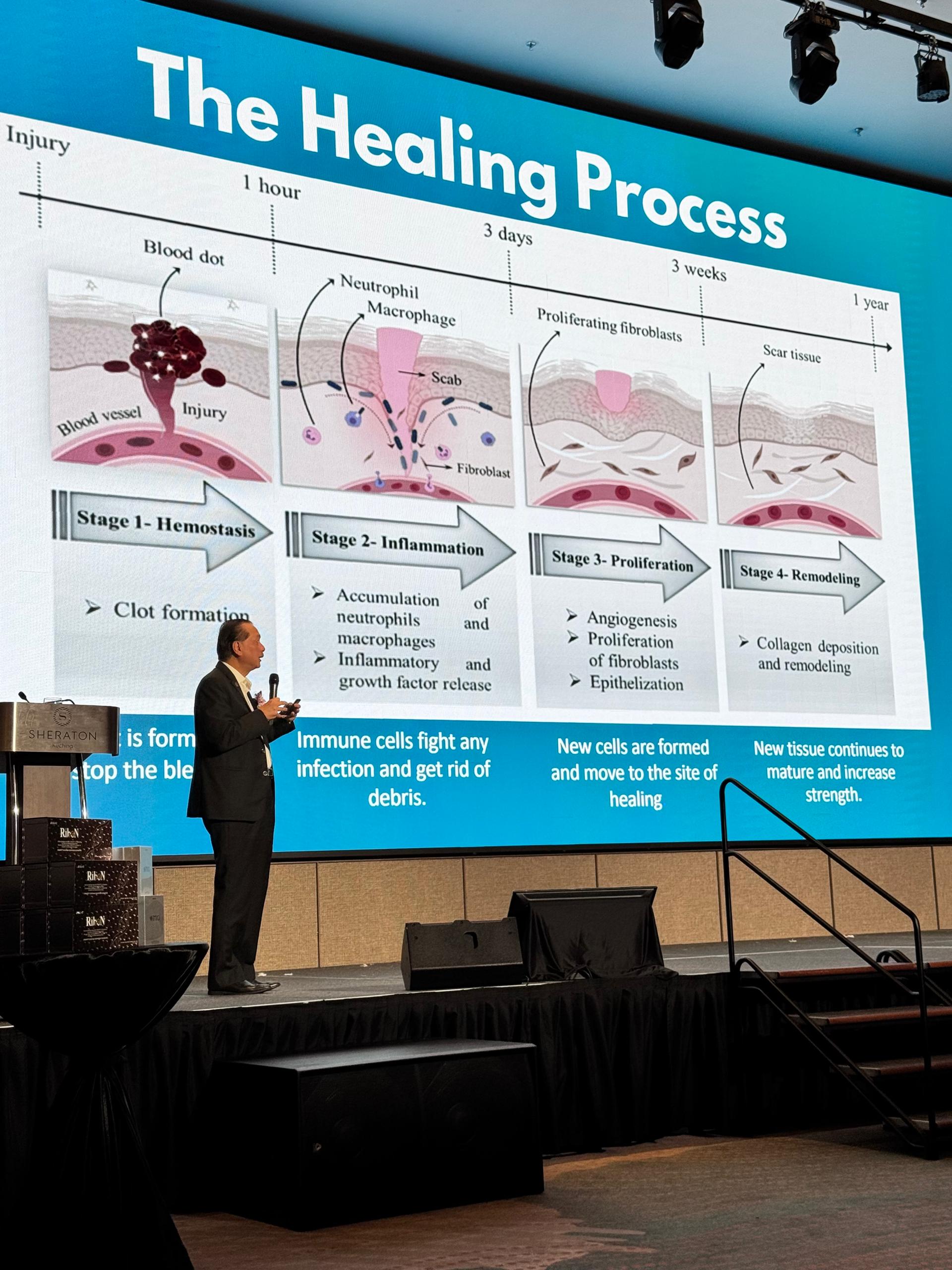
Former Health Director-General Tan Sri Datuk Seri Dr Noor Hisham Abdullah explained that regenerative medicine is fundamentally built upon the body’s innate capacity to heal.
“When we suffer an injury, the body naturally attempts to repair itself. What we aim to do is optimise the resources available to support and enhance this healing process—whether for tissues or entire organs,” he said.
Delivering a keynote address at the ‘Date with Dr Noor Hisham: Harnessing Regenerative Medicine & Biotech for a Resilient Future’ held at the Sheraton Hotel ballroom on Sunday (Sept 21), Dr Noor Hisham elaborated on the scope and potential of regenerative medicine.
“By definition, regenerative medicine is a field in which the body attempts to repair or replace damaged cells, tissues, and organs. It is about enabling and accelerating this process using scientific advances.”
Stem Cells at the Core
Dr Noor Hisham described regenerative medicine as a discipline centred on stem cells, tissue engineering, and the activation of the body’s own repair mechanisms to restore normal function.
“This is the bird’s eye view of what regenerative medicine entails. While the concept is not new, its modern application includes growing tissues and organs in the laboratory.
“For example, in cases of severe burns where there isn’t enough healthy skin for grafting, we can culture the patient’s skin in the lab and reapply it to their body.
“Using the patient’s own cells significantly reduces the risk of rejection. This is a key principle in regenerative medicine.”
At the heart of this field lies stem cell research, which explores the ability of stem cells to self-renew or differentiate into specialised cell types, such as muscle, nerve, or skin cells.
“Stem cells are the foundation of every organ and tissue in the body. They have the capacity to regenerate or to differentiate into specific cell types,” he said.
This regenerative potential, he added, opens new avenues for treating chronic and previously irreversible conditions, including osteoarthritis, heart muscle damage following myocardial infarction, and intestinal injuries.
Clinical Applications and Research
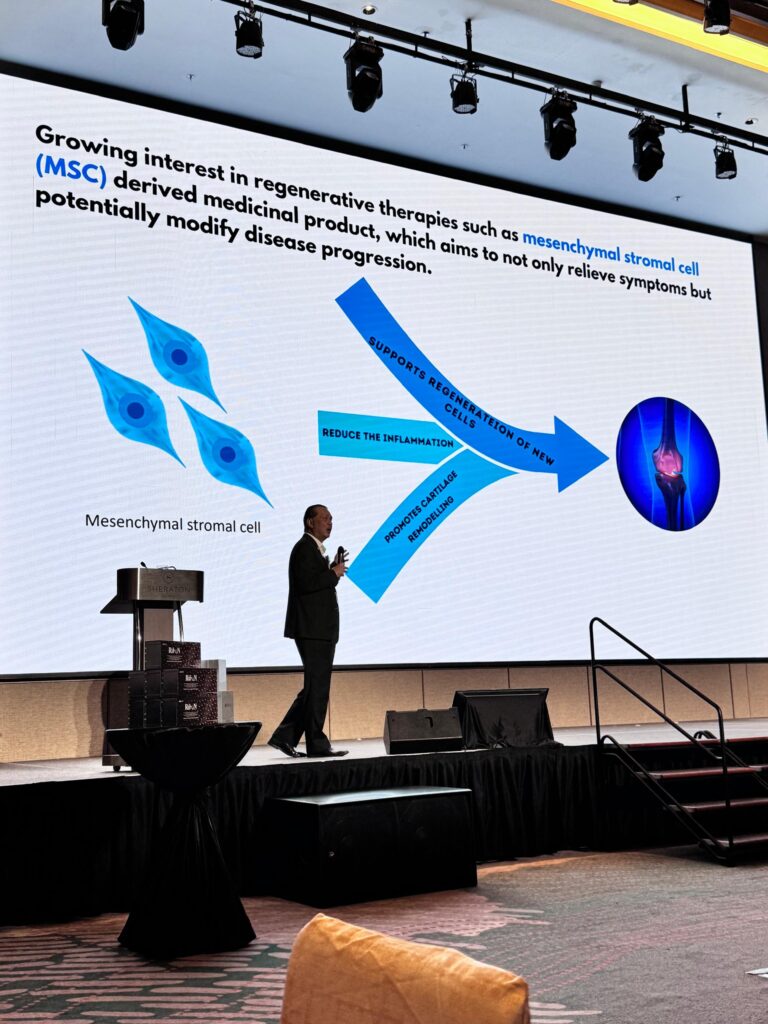
Dr Noor Hisham, who also serves as the First Chair of the WHO Standing Committee and Chairman of the National Heart Institute (IJN), highlighted the growing interest in mesenchymal stromal cell (MSC)-derived medicinal products.
These therapies not only aim to alleviate symptoms but also seek to modify disease progression—for example, by slowing the advancement of osteoarthritis, reducing inflammation, encouraging cartilage regeneration, and promoting healthy cell growth.
“We now have the ability to slow down osteoarthritis progression, reduce inflammation, support cartilage remodelling, and promote cellular regeneration.
“Several studies on MSCs have already been conducted. One product is currently in the pipeline, and we hope it will be approved soon, as the clinical trials have been completed. This product may be used for treating osteoarthritis of the knee.”
However, he also acknowledged the challenges associated with ensuring the safe regulation of stem cell growth.
“Stem cells can differentiate into specific cell types or replicate to regenerate tissue. This is vital in wound healing, cartilage restoration, and cardiac muscle repair.
“During the proliferation phase of wound healing—where new skin and blood cells are formed—we need to understand how to control and direct stem cell growth safely.”
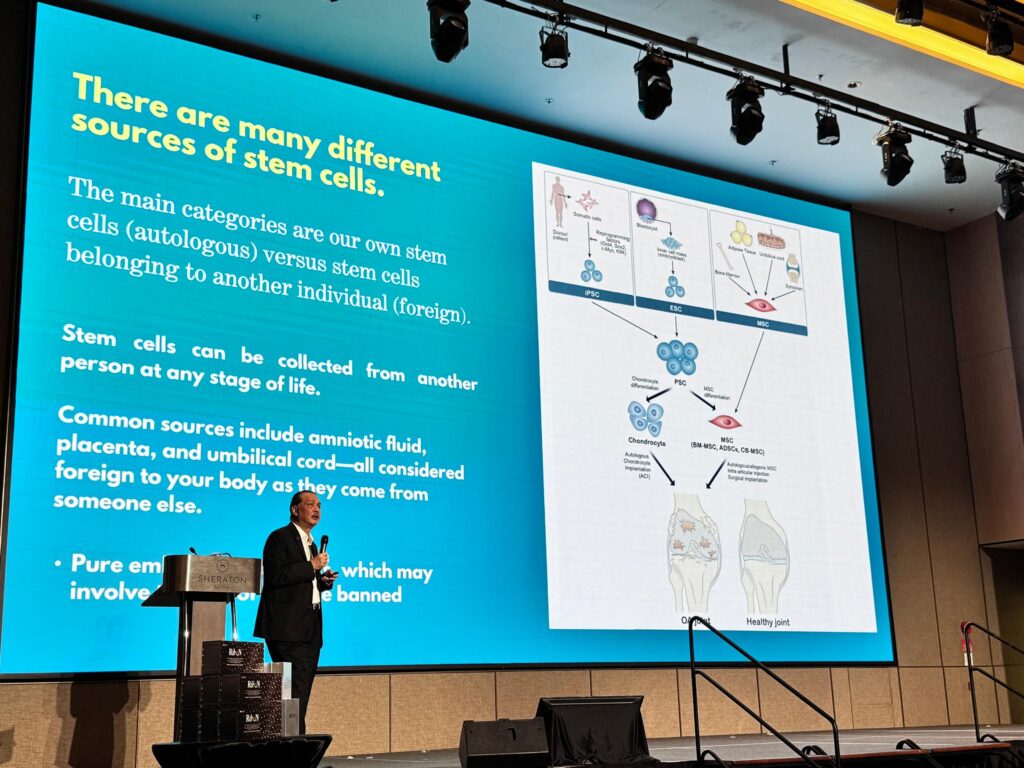
He noted that sources of stem cells include amniotic fluid, the placenta, and the umbilical cord. MSCs, in particular, are multipotent and widely used in tissue repair and immune modulation.

Regulatory Landscape in Malaysia
Dr Noor Hisham also addressed Malaysia’s current regulatory environment for regenerative medicine. As of now, only one stem cell-based medicinal product—Zolgensma—has received approval from the National Pharmaceutical Regulatory Agency (NPRA).
“Zolgensma was approved by NPRA in February 2024. It’s a gene therapy used to treat Spinal Muscular Atrophy (SMA) in children under the age of two. It’s the only cellular or gene therapy-based product currently authorised in Malaysia, following regulatory controls introduced in 2021.”
SMA is a rare inherited neuromuscular disease that weakens muscle strength and can lead to paralysis. Zolgensma, which has been granted Orphan Medicine status, is listed on the Malaysian Rare Disease List, enabling expedited regulatory review for urgent patient access.
“It’s an extremely costly treatment, but it’s the only one officially registered so far. Other stem cell and regenerative therapies remain in the research or clinical trial phase.”
Dr Noor Hisham noted that while the NPRA does permit limited, controlled use of certain therapies under hospital-based or named patient programmes, this does not equate to full market authorisation.
“These approvals are not the same as market availability. They allow limited clinical use under strict conditions so that we can collect long-term data on efficacy and safety.
“The use of cell therapy under clinical trials is ongoing, and we hope more products will meet the safety requirements needed for approval.”
He acknowledged the high cost of such therapies, with Zolgensma priced in the millions per patient, and other stem cell treatments requiring substantial investment in research and development. However, he remains optimistic that costs will decline over time as the technologies mature and scale.
Balancing Innovation with Safety
Dr Noor Hisham stressed the importance of balancing medical innovation with regulatory rigour to ensure patient safety.
“Unlike pharmaceutical drugs, stem cells cannot simply be recalled once administered. This makes stringent testing critical to prevent adverse outcomes such as tumour formation or cancer.”
He emphasised the need for continuous evaluation of long-term outcomes and side effects.
“In the long run, we must assess both the efficacy and safety of stem cell therapies. The key is to ensure these treatments do not cause harmful side effects, such as tumour growth.
“That’s why regulatory oversight is crucial. We need to strike a balance between encouraging research and ensuring patient safety. This overview provides a snapshot of what stem cell therapy entails and the challenges we face moving forward.”