
Before data reaches the laboratory, it is first observed on the ground.
IF you think of a scientist, what images come to mind? Someone in a clean white lab coat, surrounded by glowing equipment in a sterilised lab. It’s an all-too-familiar scene – orderly, exact, and controlled. But science itself isn’t always like that, especially in places like Sarawak.
It often plays out not under sterile lights but around the country – in thick rainforests, along meandering rivers, across wide-open landscapes, and on the doorstep of remote villages where the phone signal dwindles and roads turn into muddy paths.
Where Questions Actually Begin
Fieldwork isn’t glamorous. It involves early mornings on foot chasing good weather, lugging heavy tools across rough terrain, and, at times, seeing rainstorms wash away a day’s labour. You might drive hours, only to discover your intended samples are missing or difficult to access.
And yet, in spite of adversity, nature continues to teach those who listen. Farmers notice strange patterns in their crops long before the media does. Local communities sense the passage of the seasons, the swells and falls of the river, and the disappearance of familiar local plants.
These aren’t insights that fit neatly into data files – they’re real life. And that’s the heart of it, too: “There are people.” Real humans who live and breathe the environment every day.
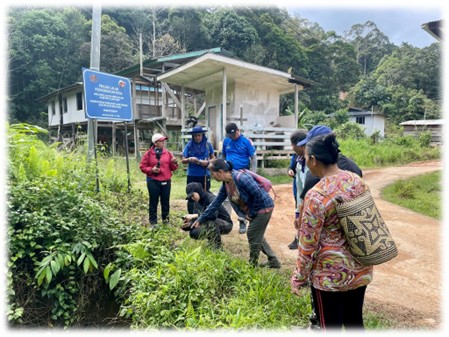
Science Is Also About People
Scientific discovery is about more than test tubes and numbers; it’s about how communities relate to and benefit from the land that holds them together. Those who have co-existed with nature for generations can share information that textbooks cannot. Chatting with locals can illuminate truths that research alone may miss. It’s a reminder that science serves humanity, not the other way around.
Why Fewer Scientists Go to the Field
It’s a pity that fewer young scientists are eager to don muddy boots these days. Lab work and computer simulations provide speed, control, and the reassurance of predictability – a great fit for tight schedules.

Fieldwork, by contrast, requires patience, resilience, and a tolerance of the unpredictable. Equipment breaks, plans don’t materialise, and just getting there can be a journey in itself. Yet academic practices generally reward speedy results rather than the slow, methodical exploration that field research demands.
Problems Don’t Exist Only in Laboratories
The hardest problems we face – climate change, food shortages, environmental damage – don’t unfold under a fluorescent spotlight. They occur in forests, fields, and villages. If scientists remain only in labs, they risk missing the bigger picture.
Finding the Balance
Labs are necessary to study and develop solutions, but they are meant to complement what’s observed – not replace it. Meaningful understanding first emerges in the mud and sunlight, listening to stories and watching changes in the natural environment.
Some of the most significant discoveries happen when muddy boots meet white coats – when researchers venture into the world, learn from it, and then return to the lab to explore its mysteries further.
Observations and experiences form the core of science long before data and reports can be established. So maybe science needs more boots on the ground – the white coat can wait.
The views expressed here are those of the writer and do not necessarily represent the views of Sarawak Tribune. The writer can be reached at ab_fauziah@upm.edu.my.