KUCHING: Findings from the National Unity Index (IPNas) 2025 will help strengthen evidence-based policies aimed at enhancing social cohesion and addressing emerging challenges affecting national unity in Sarawak.
The latest findings highlight improvements in several unity indicators while identifying issues requiring continued government attention and intervention.
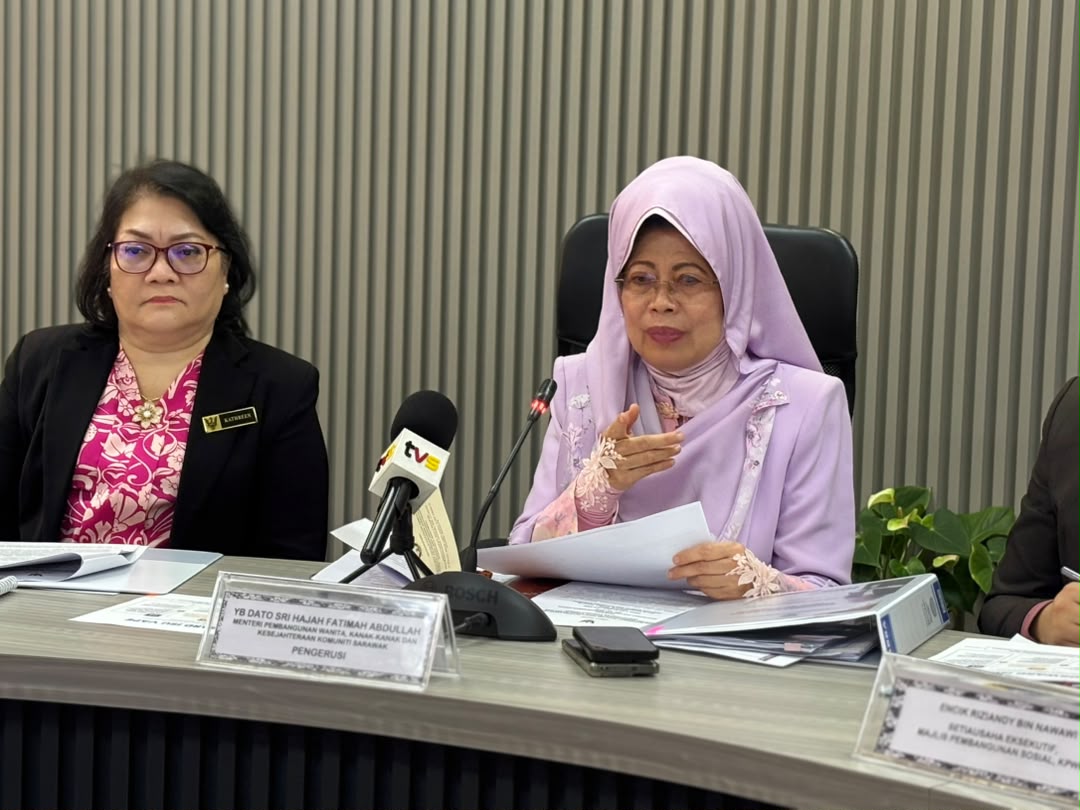
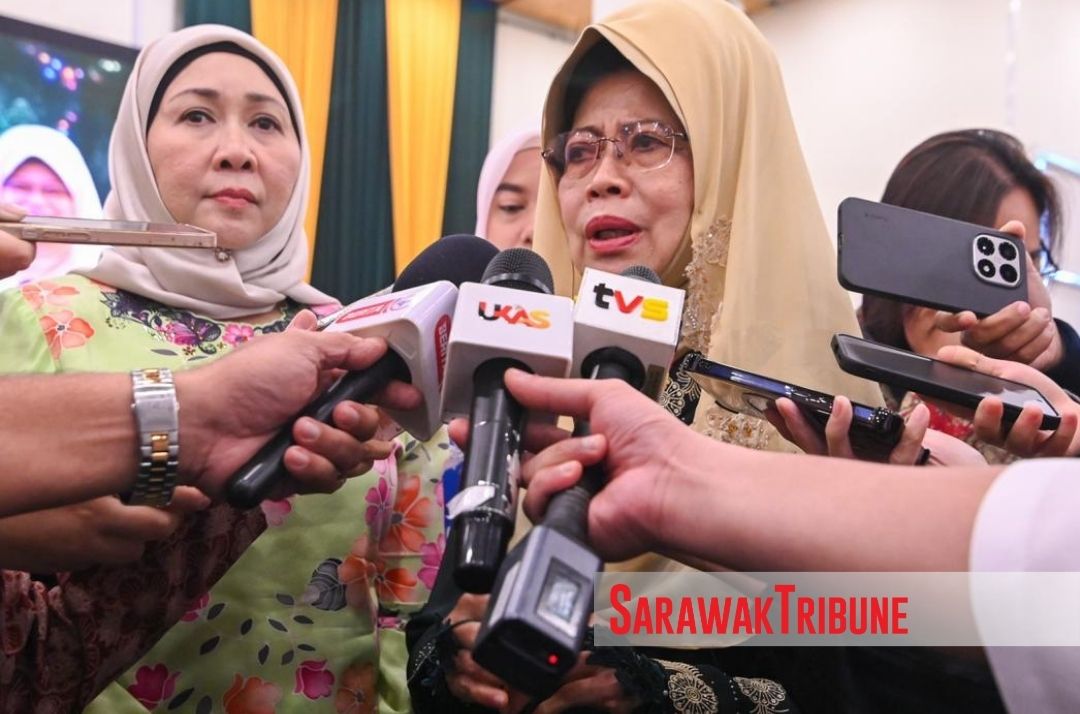
“The findings provide valuable guidance for formulating more responsive and data-driven interventions to strengthen unity and ensure lasting social harmony,” said Women, Early Childhood and Community Wellbeing Development Minister Datuk Seri Fatimah Abdullah during the Sarawak Social Development Council meeting at Wisma Wanita today (July7).
“The study recorded an overall IPNas score of 0.701, indicating Malaysia’s unity remains at a moderate and steady strengthening level compared with previous assessments conducted in 2018 and 2022,”she said.
Fatimah said the research combined nationwide surveys and focused group discussions, measuring unity through five components including social cohesion, governance, ethnicity, cross-ethnic relations and national ethos.
She said six major social deficit issues were identified, namely ethnicity, media, politics and federalism, religion, social class and education, all influencing public confidence and social interaction.
“The findings suggested addressing these critical issues strategically would produce the greatest improvements in national unity while supporting inclusive governance and stronger relationships among diverse communities,” she said.
Fatimah said strengthening unity requires narrowing educational and socioeconomic gaps alongside fostering healthy community interactions, ensuring Sarawak and Malaysia remain harmonious despite evolving social challenges.
She added the study equips policymakers with reliable evidence to design targeted interventions, enabling government agencies and stakeholders to respond more effectively to changing societal needs and expectations.