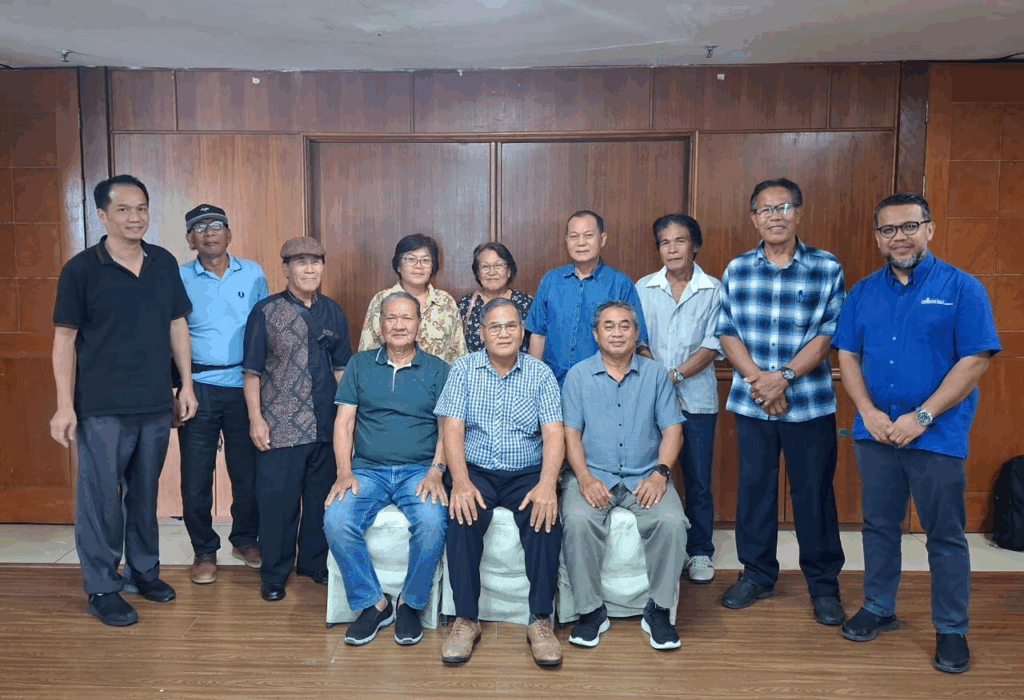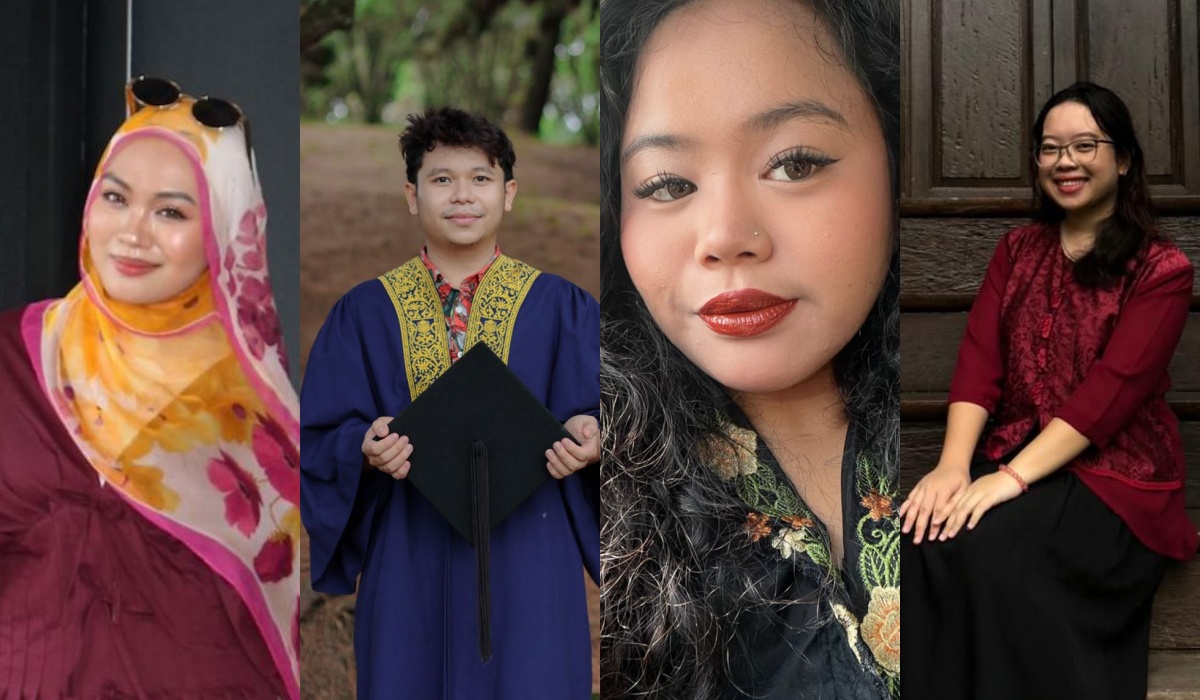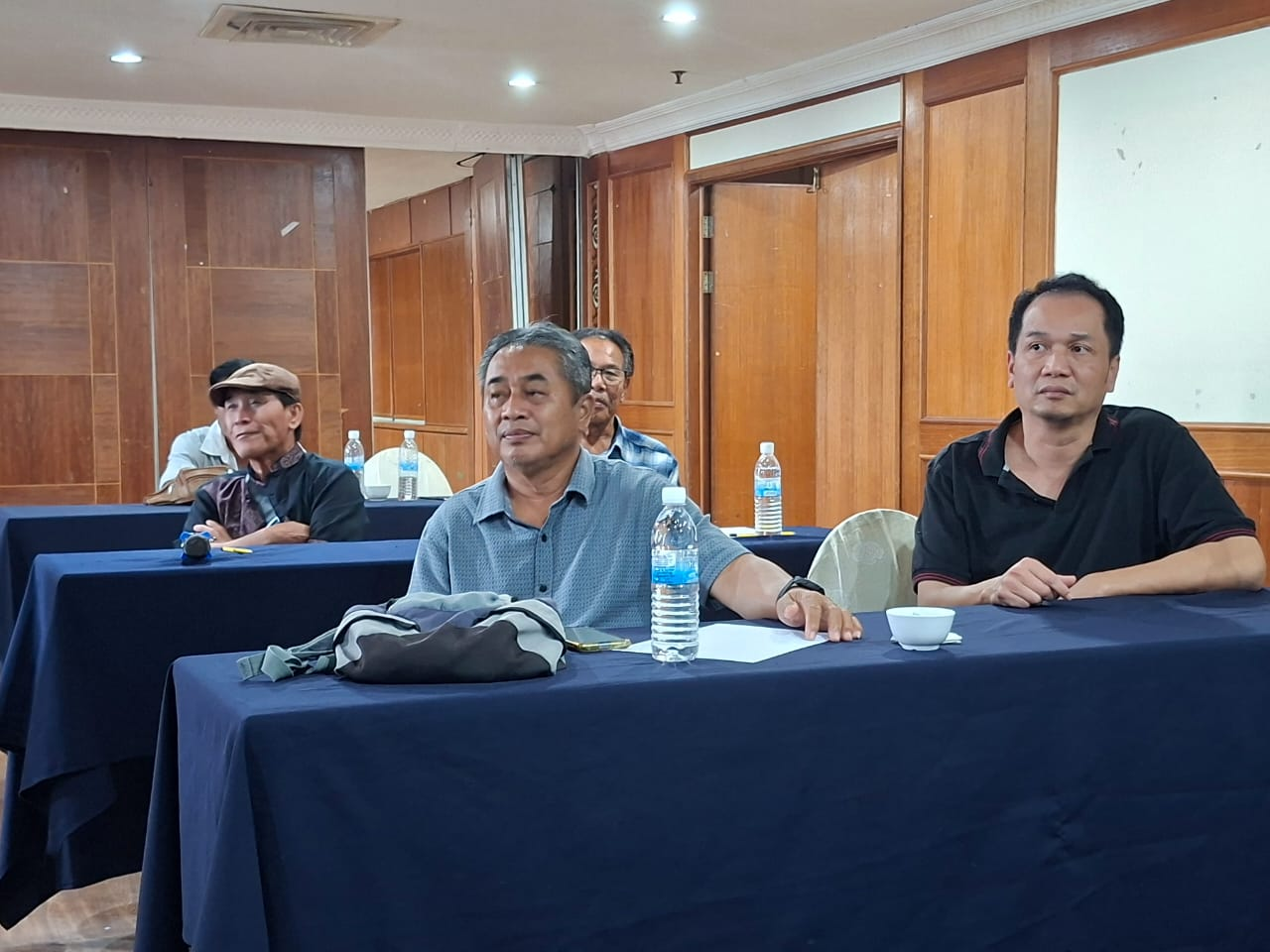
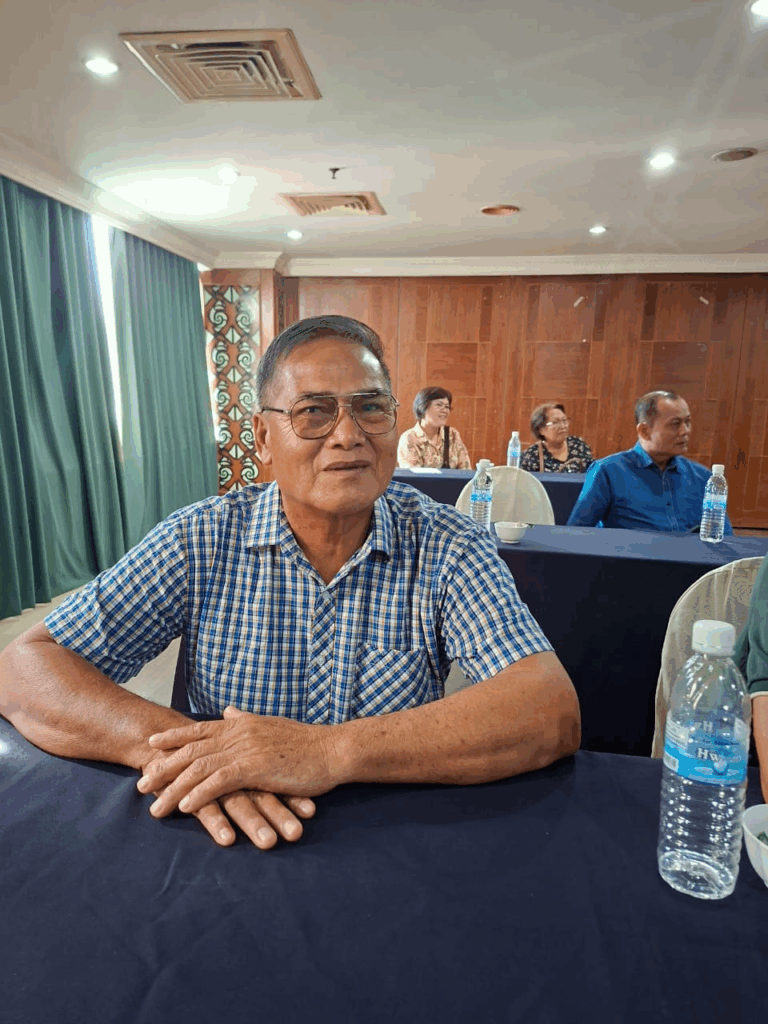
LIMBANG: The Bisaya Ethnobotany Terminology Data Verification Workshop held at Hotel Purnama here has reinforced efforts to preserve the intangible heritage of the Bisaya community through systematic documentation of traditional plant knowledge.
The one-day workshop held on Saturday brought together researchers from Universiti Malaysia Sarawak (UNIMAS) and Universiti Kebangsaan Malaysia (UKM), community leaders, field enumerators, and Bisaya representatives to verify over 100 traditional plant terms collected since 2023 under the research project ‘The Intangible Heritage of the Bisaya Ethnic Group: Ethnobotanical Terminology’.
The project is led by Dr Dilah Tuah, Dean of the Faculty of Education, Language and Communication, UNIMAS, and Associate Prof. Dr Chong Shin of UKM, with funding support from the office of the Deputy Prime Minister, Datuk Seri Fadillah Yusof.
Dilah said that documenting ethnobotanical terms is crucial not only for safeguarding the Bisaya language and culture but also for preserving local wisdom increasingly eroded by modernisation.
“Each plant term collected reflects the local wisdom of the Bisaya people, from traditional medicinal knowledge to cultural symbolism.
“This documentation serves as a form of respect to earlier generations who maintained harmony between humanity and nature,” he said.
Meanwhile, Chong highlighted the scientific significance of the study, noting that the collaboration between UNIMAS and UKM goes beyond documentation to explore the link between language, culture and biodiversity.
“The Bisaya community’s ethnobotanical knowledge holds vast potential for further research in linguistics, anthropology and life sciences,” he said.
Representing the Bisaya community, Penghulu Lalam Sambat expressed gratitude for the recognition of their cultural legacy.
“We are deeply honoured that the knowledge and terminology passed down from our ancestors are now being acknowledged in academia.
“Many plant names and their meanings were nearly forgotten. With this project, we are confident our heritage will continue to live on,” he said.
The project will enter its final phase with the upcoming publication of two books and a comprehensive research report by UNIMAS Publisher and UKM Press.