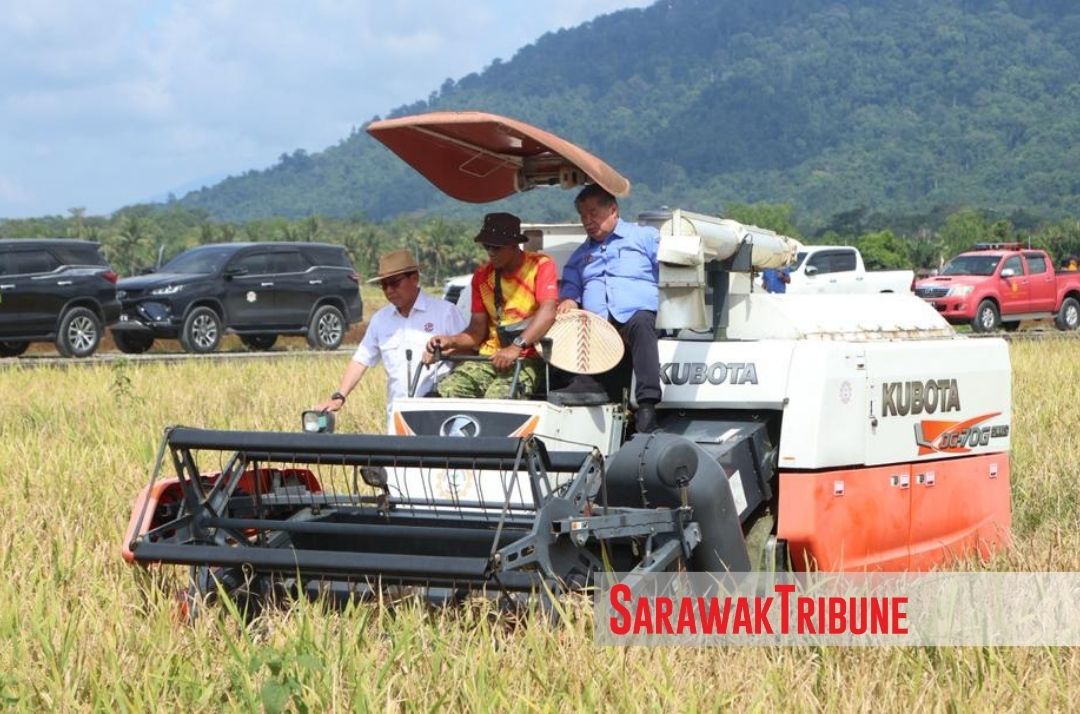
LUNDU: Sarawak is ramping up efforts to improve rice yields through mechanisation and better farming practices as it works towards increasing its self-sufficiency level (SSL).
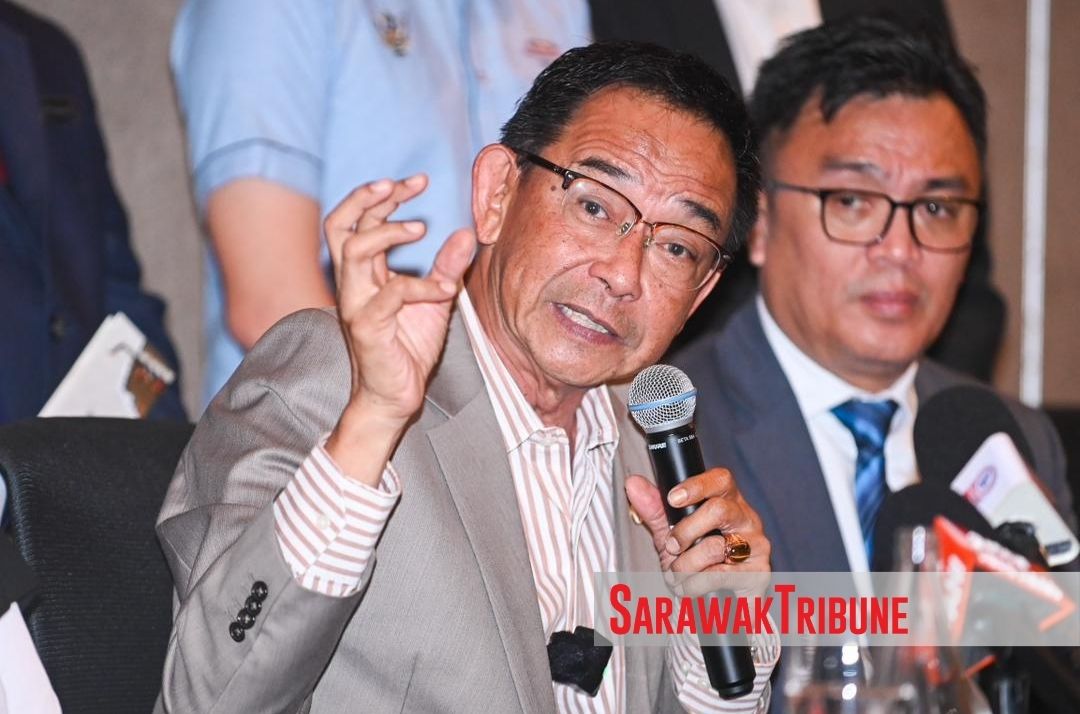
Food Industry, Commodity and Regional Development Minister, Datuk Seri Dr Stephen Rundi Utom, said current production remained far below the state’s actual needs, with only about 50,000 metric tonnes produced against a demand of 450,000 metric tonnes.
He said the state aimed to gradually increase its SSL to 60 per cent by 2030, up from the current level of about 21 per cent.
“If we include hill paddy, our production may reach about 80,000 metric tonnes, but that is still less than half of what we need, with our SSL currently at around 21 per cent.
“To continue our commitment, I will be tabling a new ordinance to establish a padi and rice board for Sarawak, so we can play a more effective role in supporting Malaysia’s supply.
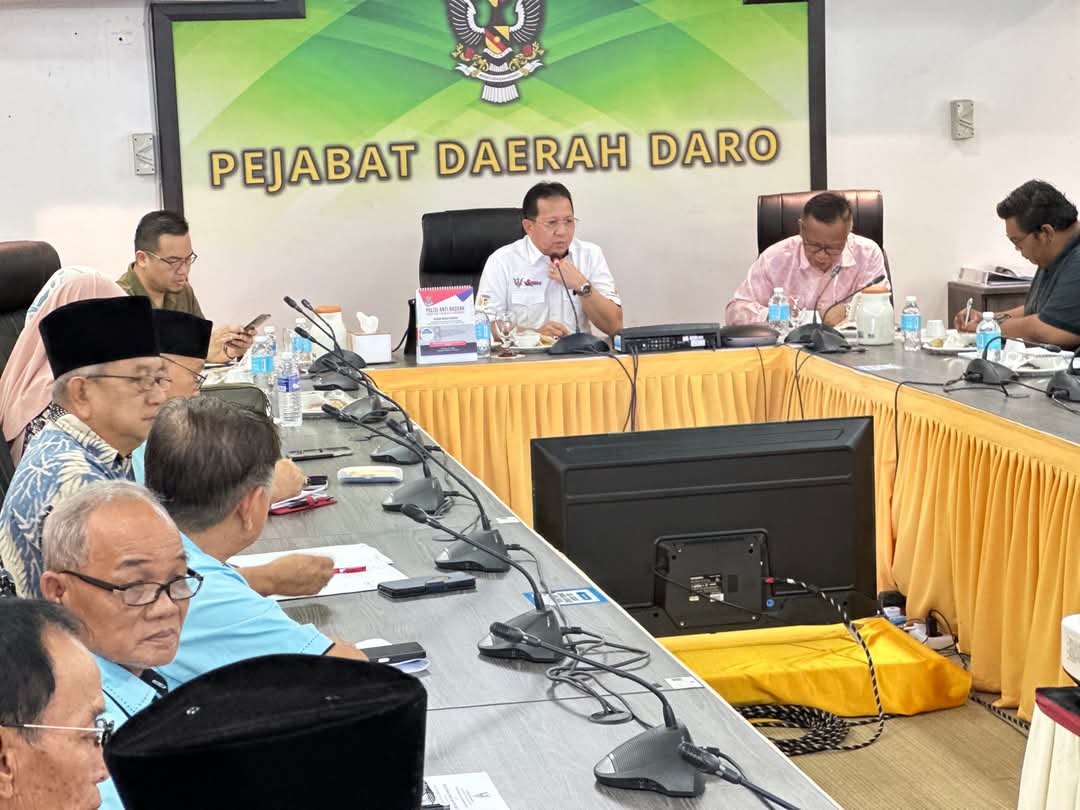
“At the same time, we recognise that increasing allocations for infrastructure is the responsibility of the government,” he said during a press conference after visiting the Tanjung Purun paddy planting project here today (Apr 10).
Dr Rundi said about 14,000 to 15,000 hectares have been identified for paddy cultivation across Sarawak, with focus areas including Tanjung Purun, Batang Lupar and several other locations.
He said areas such as Tanjung Purun showed strong potential, with existing fields requiring upgrades rather than new development.
He added that the use of machines across the entire production process had already shown positive results in areas such as Meradong.
“In places like this, the land has long been cultivated. What we need now is to improve the infrastructure to support mechanisation.
“In Meradong, they use machinery from start to finish – from ploughing, planting, using drones, right up to drying and producing rice,” he said.
Dr Rundi stressed that efforts to improve practices and attract younger farmers would be crucial in driving future growth in the sector.
“We hope young people will become the driving force to boost our rice production in the future,” he added.