LUNDU: Sarawak’s efforts to achieve rice self-sufficiency can help strengthen Malaysia’s overall supply and reduce reliance on imports.
Agriculture and Food Security Minister Datuk Seri Mohamad Sabu said the state’s progress in increasing rice production would directly contribute to improving the national self-sufficiency ratio (SSR), which currently stands at about 53 to 55 per cent.
He said the current level remained insufficient, especially as the country continued to face external risks such as global conflicts and climate changes affecting supply chains.
“InsyaAllah, our ministry will give its full cooperation, including discussing allocations and related matters.
“Infrastructure must come from the government, and while the cost may be high, it takes time. A one-off allocation can be spent quickly, but once it is used up, it is gone.
“Infrastructure, on the other hand, delivers long-term benefits. The Premier has prioritised increasing Sarawak’s SSR, and we fully support that,” he said.
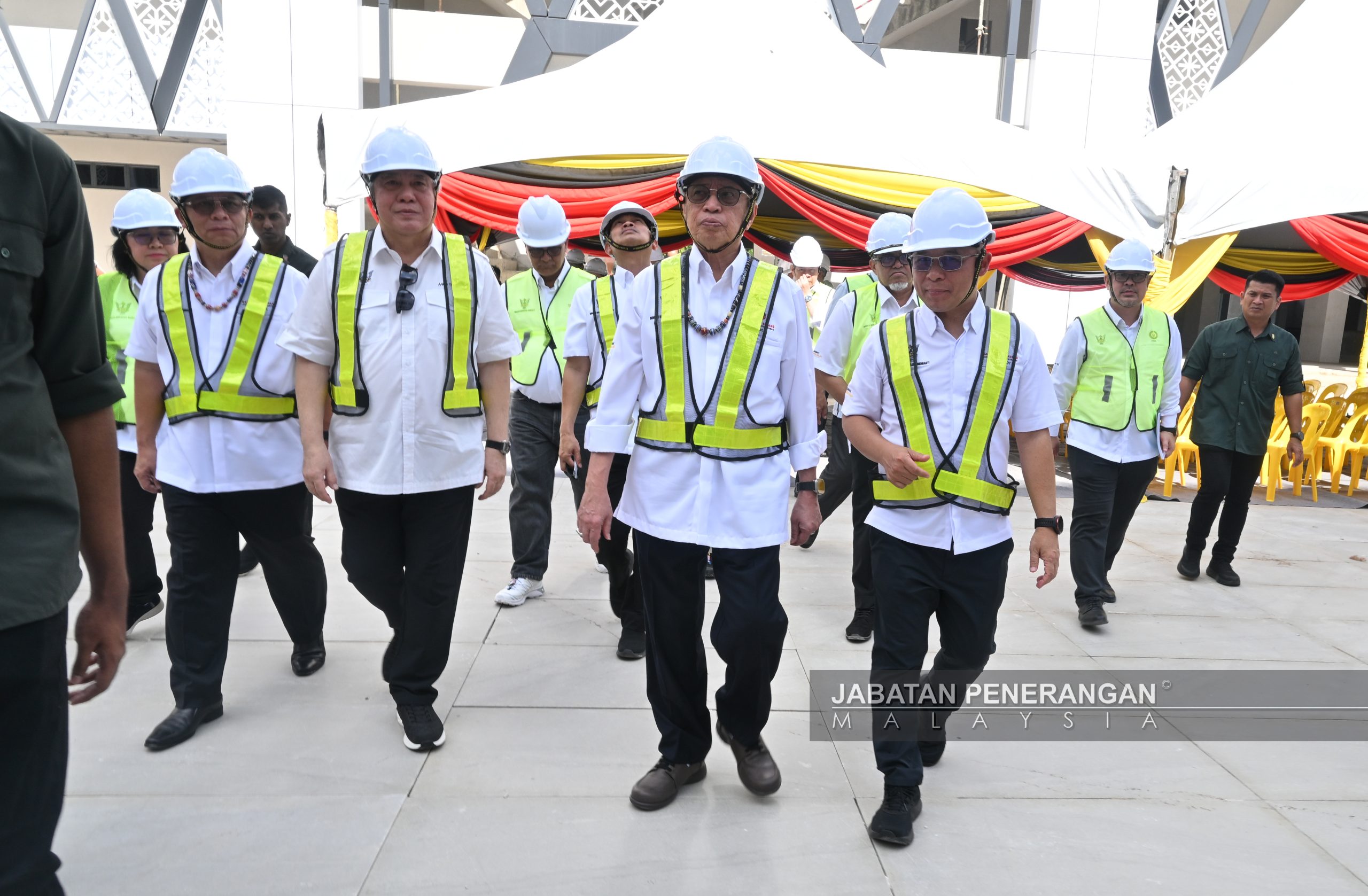
Mohamad Sabu told reporters this after visiting the Tanjung Purun paddy planting project here on Friday.
Based on observations at the site, he said yields could reach seven to eight tonnes per hectare, adding that a national average of seven tonnes per hectare would allow Malaysia to export rice.
He also noted that some areas in Sarawak had already recorded yields as high as nine to 11 tonnes per hectare.
“If Sarawak achieves sufficient rice supply, it will contribute to national sufficiency.
“If there is surplus, we can supply to Peninsular Malaysia instead of importing from countries like Vietnam,” he added.
Mohamad Sabu said reliance on imports continued to expose consumers to rising costs as global conflicts drive up fuel prices, increasing the cost of transporting rice.
He said improving domestic production would take time but remained necessary to strengthen the country’s food security.
As such, he said modernisation, including the use of machinery such as transplanters, would be key to increasing productivity.
“We have full cooperation from Food Industry, Commodity and Regional Development Minister Datuk Seri Dr Stephen Rundi Utom and the ministry, as well as our officers at the federal level. If yields do not improve, we will find ways to enhance them,” he said.