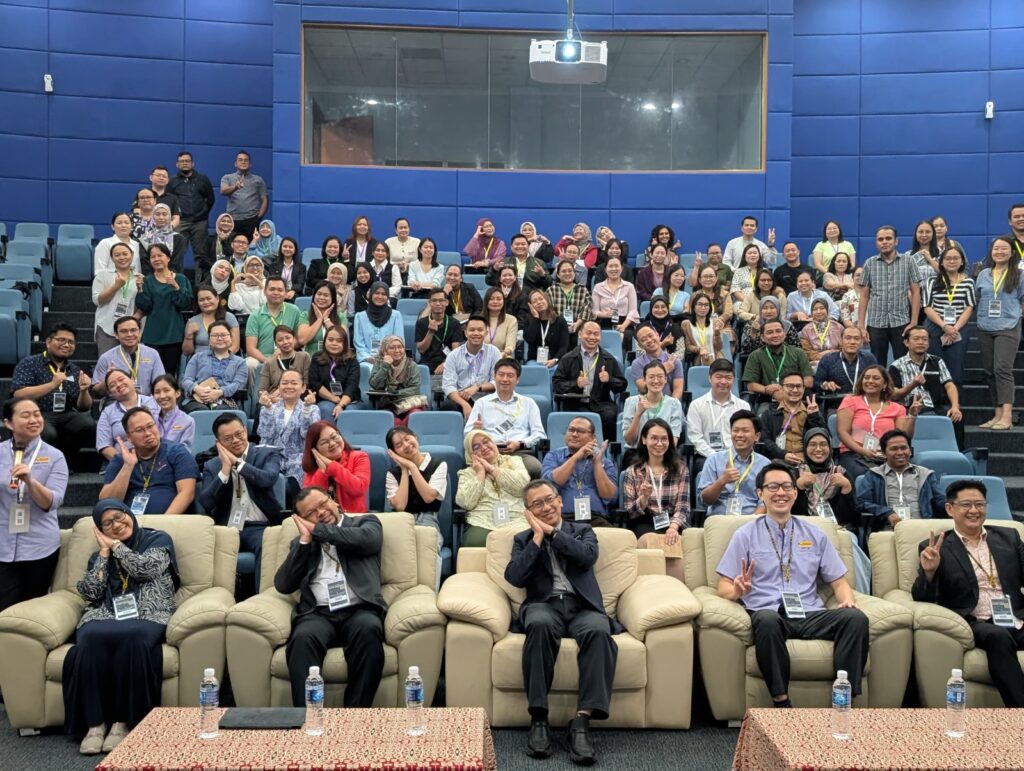
KUCHING: Sarawak is witnessing a growing number in sleep-related health issues, with Obstructive Sleep Apnoea (OSA) affecting an estimated 15 to 20 per cent of Malaysian adults.
Deputy Director of the Sarawak State Health Department Dr Mohammad Nazarudin Bahari said that many remain undiagnosed, putting them at risk of accidents, chronic disease, and reduced quality of life.
He also said that the rising number of cases underscores the urgent need to raise awareness and strengthen the healthcare system’s capacity to address sleep health – an often overlooked aspect of well-being despite its profound impact on overall health.
“Events such as this are not just academic; they are practical and necessary. They contribute directly to strengthening the capacity of our local healthcare system to respond effectively.
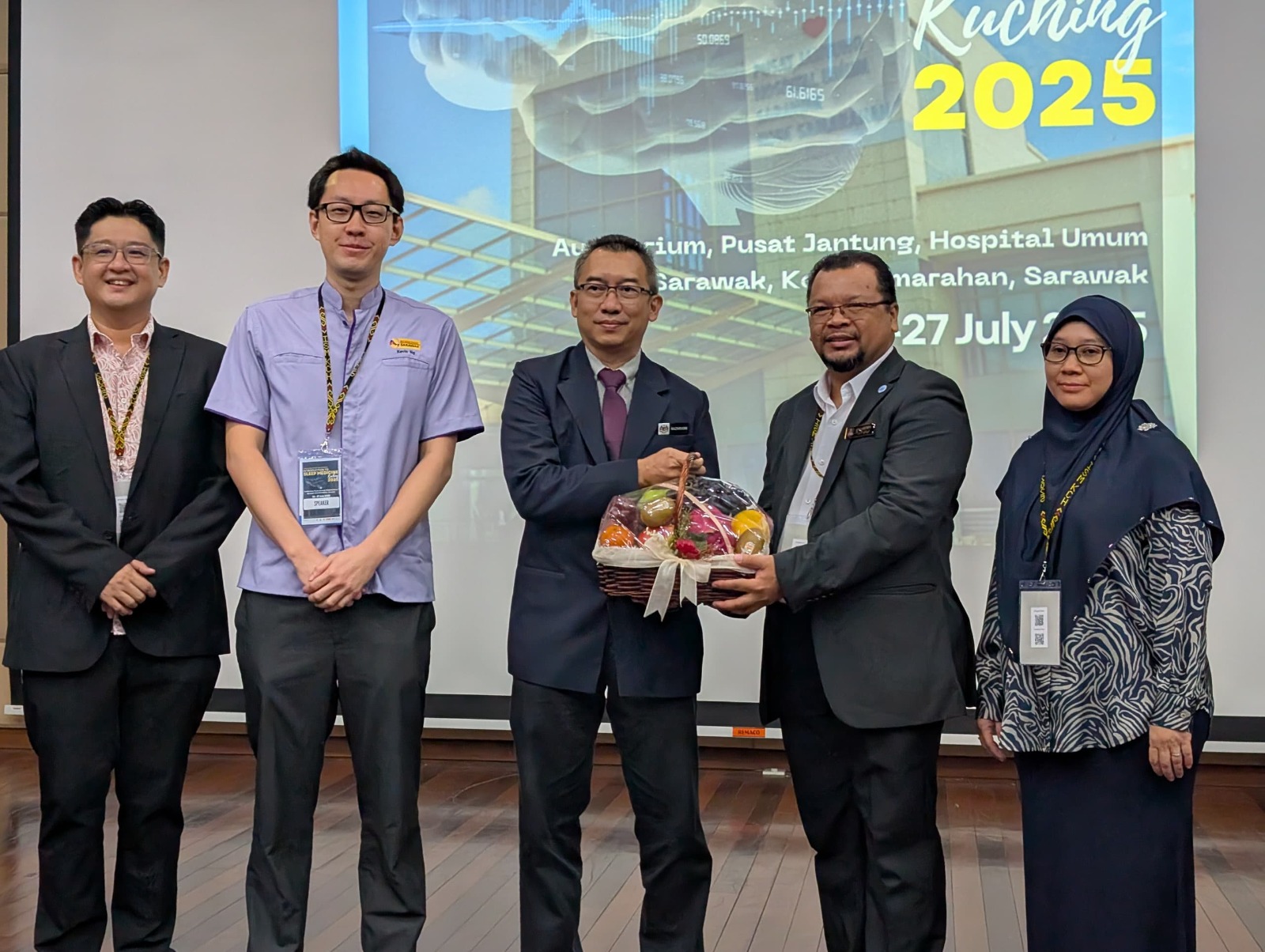
“We urge that similar initiatives be expanded across Malaysia, especially in under-served areas, to build a more equitable sleep health ecosystem,” he said during the launching ceremony of the ‘Introduction to Sleep Medicine Kuching 2025’ event at the Auditorium, Sarawak Heart Centre, here on Saturday.
Citing data from The Lancet Neurology (2019) and the American Academy of Sleep Medicine (2021), he stressed that untreated sleep disorders can lead to serious health consequences, including cardiovascular diseases such as hypertension and stroke, metabolic disorders like Type 2 diabetes, mental health issues including depression and anxiety, and obesity due to hormonal imbalances.
Dr Nazarudin also expressed full support for the 2025 World Sleep Day theme, ‘Make Sleep Health a Priority’.
“Let today be a call to action – to raise public awareness, build clinical expertise, and ensure that sleep medicine becomes an integral part of our health services,” he said.
He noted that sleep disorders are a global issue, with the World Sleep Society (2024) estimating that over 45 per cent of the world’s population experiences sleep-related problems, and Malaysia is no exception.
He also highlighted the importance of a multidisciplinary and collaborative approach to sleep medicine, which often involves specialists in Ear Nose Throat (ENT), cardiology, neurology, endocrinology, dentistry, as well as allied health professionals such as psychologists, physiotherapists, respiratory therapists, and digital health experts.
“Thus, the structure of this programme – featuring expert lectures and hands-on workshops – reflects a forward-thinking, team-based approach to education and patient care,” he said.