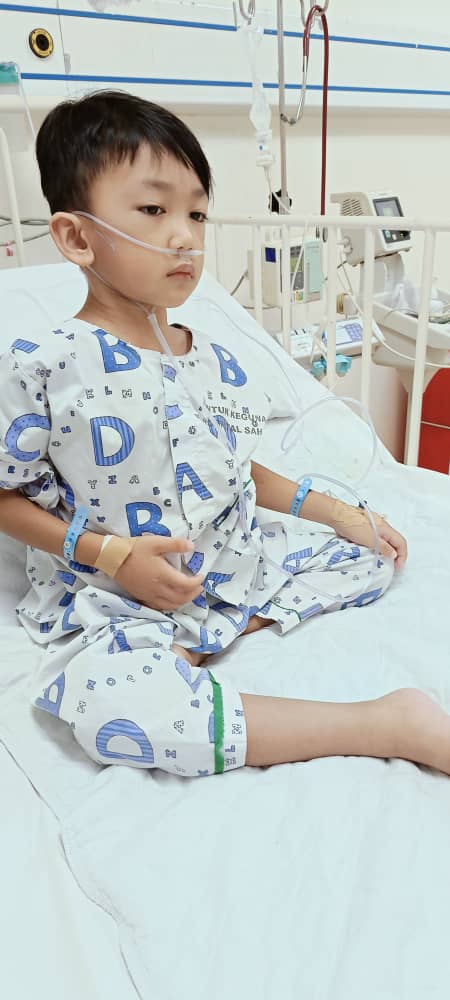
KUCHING: The case of a six-year-old Sarawakian boy battling Stage 4 neuroblastoma has highlighted the escalating financial burden faced by families seeking life-saving cancer treatment for children.
Christian Deo Dennis, diagnosed with the rare and aggressive nerve cell cancer, is currently undergoing intensive treatment that includes chemotherapy, surgery, radiotherapy and immunotherapy, with the latter described by specialists as critical to improving survival chances for high-risk patients.
Paediatric oncologist and Sarawak Children’s Cancer Society (SCCS) medical adviser Dr Ong Eng-Joe said children with high-risk neuroblastoma require immunotherapy even after months of conventional treatment to eliminate remaining cancer cells.
“Without immunotherapy, children with high-risk neuroblastoma face a much lower chance of survival,” he said.
According to the SCCS, Deo was one of only three children supported by the organisation in 2025 to receive immunotherapy.
His case is the most costly in the society’s history, with RM590,000 spent on immunotherapy alone.
Since his diagnosis, Deo has undergone eight rounds of chemotherapy with additional sessions, two surgeries, a stem cell transplant, 14 sessions of radiotherapy and five cycles of immunotherapy, with one cycle completed so far.
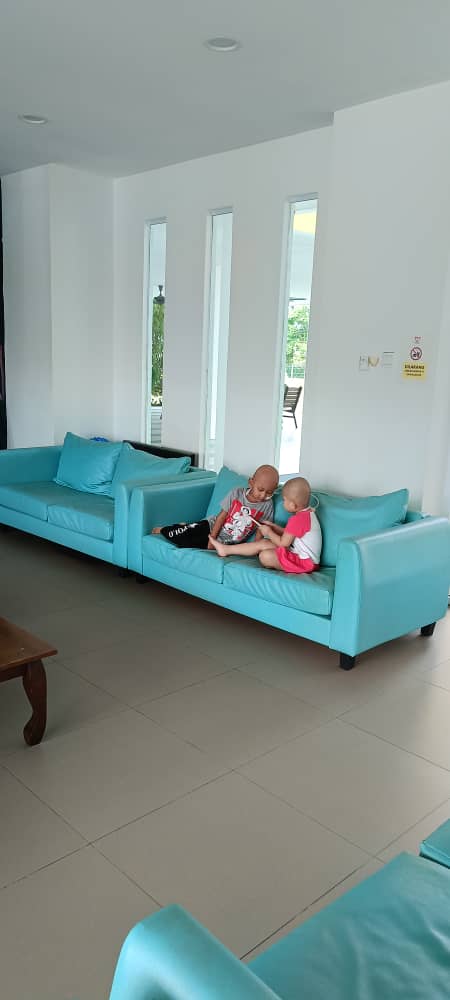
Additionally, SCCS has also provided comprehensive support to Deo’s family, including accommodation at its halfway home in Kuching with food and transport, flights and taxi fares for treatment in Kuala Lumpur amounting to RM2,543 as well as a weekly hospital allowance of RM100 to assist with basic living needs during extended hospital stays.
SCCS president Mary Kiu, said Deo’s case reflects a broader challenge faced by families of children with cancer.
“In 2025 alone, SCCS spent approximately RM2 million on medical aid for more than 100 children, the highest expenditure recorded since we were registered in 2001.
“While treatments today are more advanced and effective, they are also significantly more expensive. Immunotherapy, in particular, can mean the difference between relapse and survival,” she said.
She added that SCCS supports families from diagnosis through recovery by covering additional medical costs beyond government hospital care, providing accommodation, transport and food supplies as well as assisting families who require treatment outside Sarawak.
Furthermore, the society said all assistance provided are made possible through public donations and partnerships, stressing that continued support is crucial to ensure no family has to choose between finances and a child’s life.
Members of the public wishing to support children with cancer may contribute to SCCS via its official website or contact the organisation directly.