BEIRUT, Lebanon: A 20 per cent rise in global food prices could push an additional 5 million middle and low-income people in Arab countries into food insecurity, United Nations Economic and Social Commission for Western Asia (ESCWA) warned on Thursday, reported German Press Agency (dpa).
In a new policy brief, the agency labelled the risk as both immediate and escalating, particularly for fragile and conflict-affected states that rely heavily on food imports and have limited fiscal capacity to absorb economic shocks.
Titled “Conflict and its shockwaves: escalating impacts and risks for energy, water and food systems in the Arab region,” the report outlines how ongoing regional tensions are triggering interconnected disruptions across key sectors, with potentially severe consequences for economic stability and human security.
Energy markets have experienced the most immediate impact, according to ESCWA.
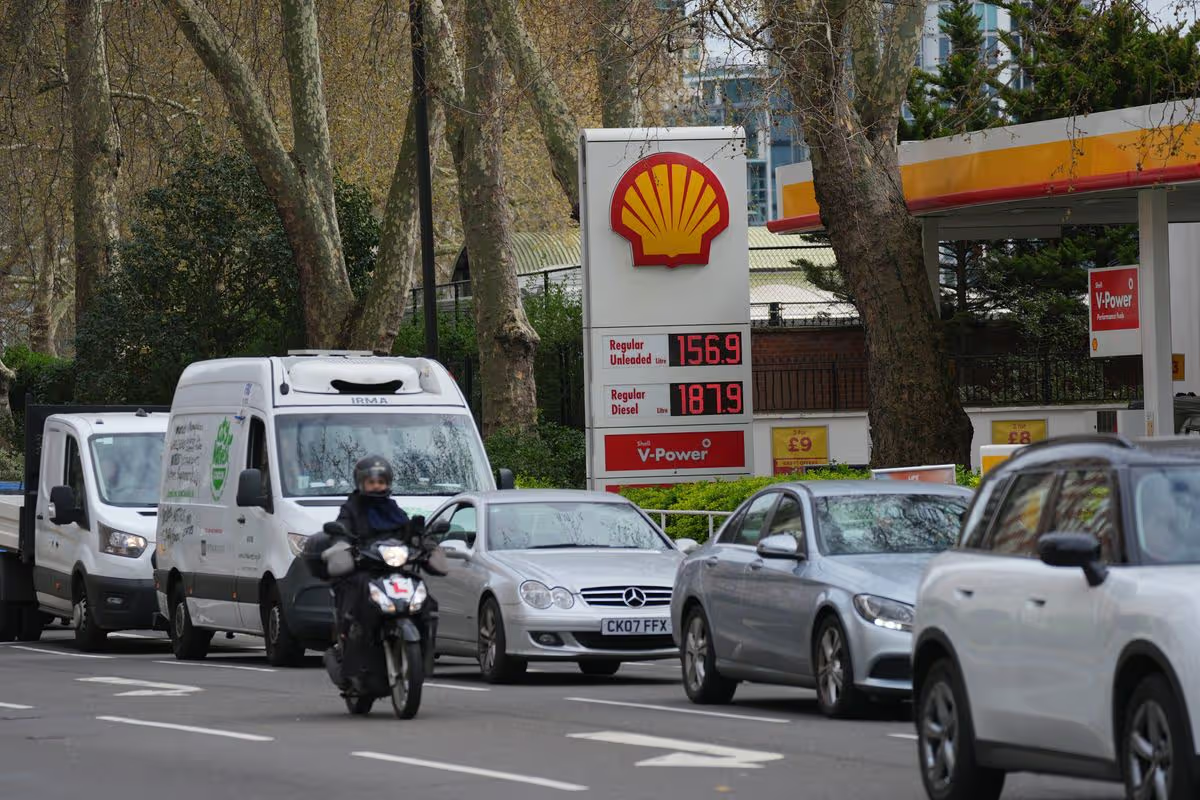
Gulf oil exports have fallen sharply – by as much as 75 per cent to 90 per cent since the start of the Iran-US-Israel conflict on Feb 28, while oil prices have surged above US$112 per barrel, driven in part by disruptions to shipping routes in the Strait of Hormuz.
The resulting spike in transport and insurance costs is fuelling inflation and widening budget deficits across the region.
Water security is also under growing threat. Nearly 40 million people in Gulf countries depend on desalinated water sourced from the Gulf, leaving them highly exposed to potential damage to energy and desalination infrastructure or pollution linked to the conflict.
ESCWA warned that any prolonged disruption could quickly escalate into a humanitarian crisis.
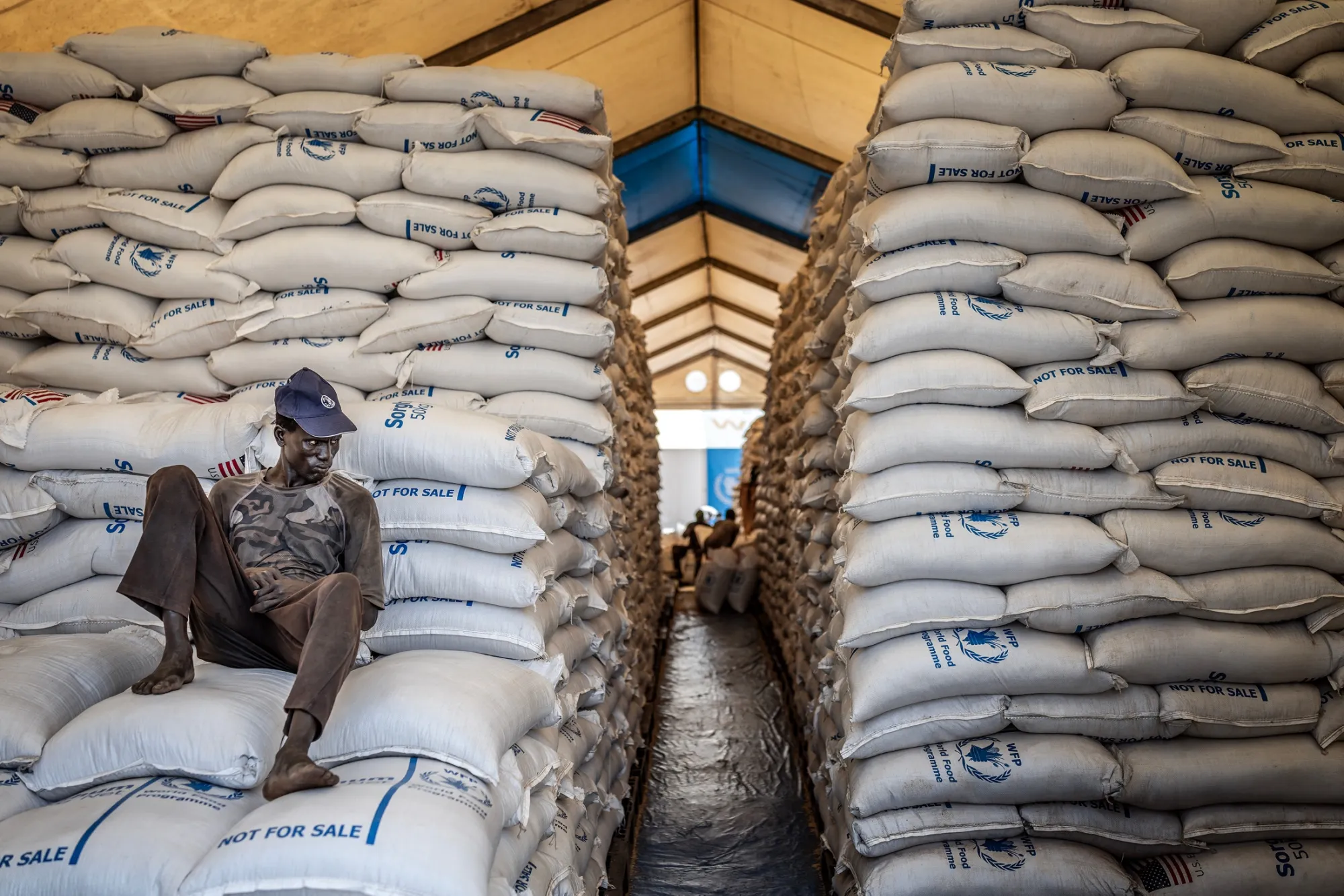
Food systems, already under strain, face further pressure as the region imports the majority of its cereals and maintains limited reserves – typically covering just over three months of consumption.
“These figures call for urgent and coordinated regional action to protect critical supply chains,” said ESCWA Acting Executive Secretary, Mourad Wahba, urging measures such as building strategic reserves, diversifying trade routes and investing in more resilient infrastructure.
He warned that without swift intervention, the compounded effects of the conflict could deepen poverty, increase social unrest in fragile states and reverse development gains across the region.
An earlier report estimated that Arab economies could lose up to US$150 billion in output within a single month. – BERNAMA-dpa