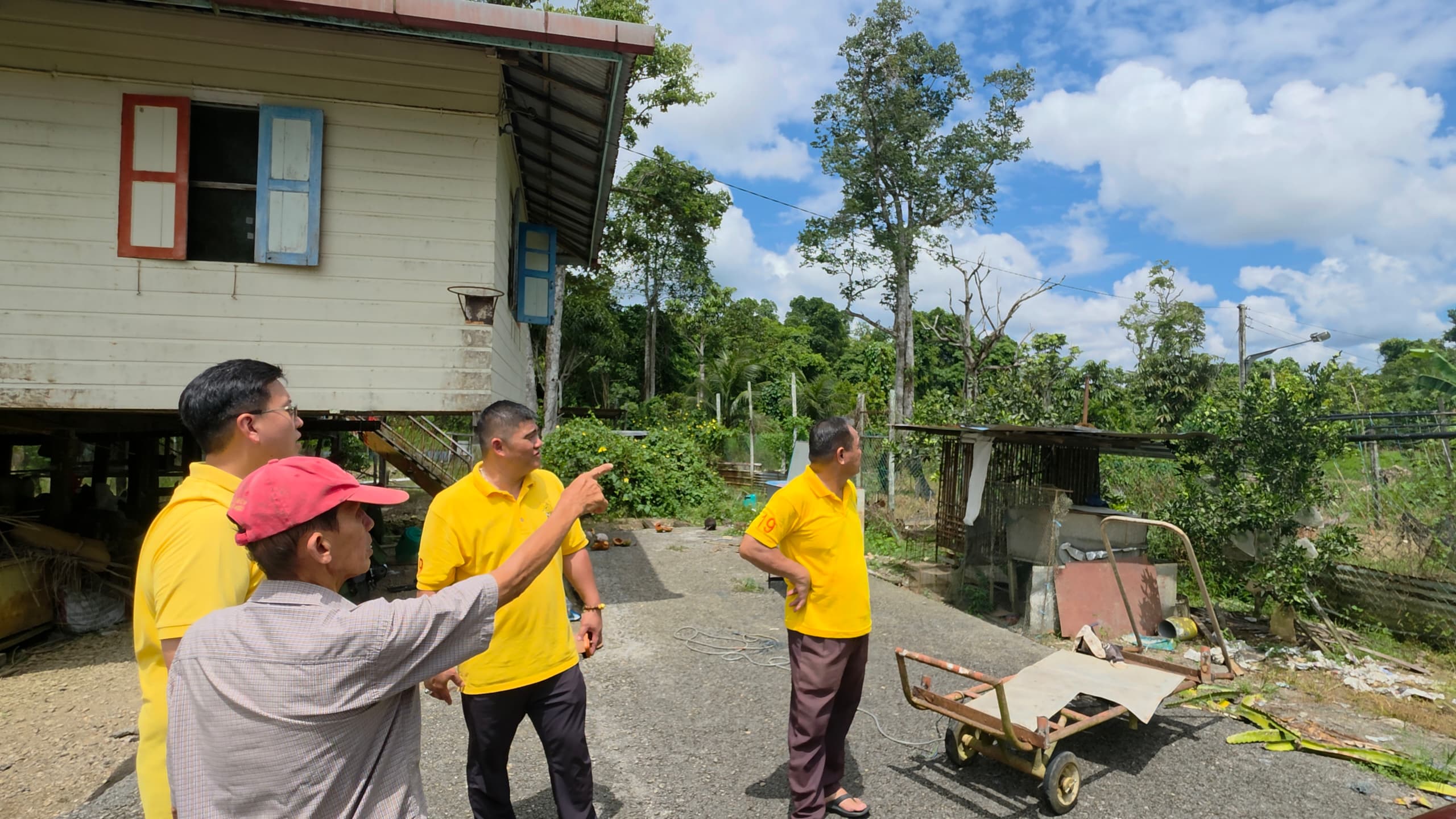
KUCHING: About 40,000 residents living along both banks of Sungai Maong Kiri are expected to benefit from the RM100 million flood mitigation project aimed at addressing recurring flash floods in several parts of the city.

Batu Lintang incumbent See Chee How said the state-funded project would tackle longstanding drainage bottlenecks and improve the river’s capacity to handle heavy rainfall.
The project covers a wide catchment area stretching from across Kuching International Airport, passing behind Raya Hotel before flowing towards Sungai Maong Kiri.
Among the areas that frequently experience flash floods and are expected to benefit from the project are Jalan Tong Wei Tah, Iris Garden, Timberland, Rock Road 2, Jalan Permata, Central Park, the Aeon Shopping Mall vicinity and Podium.
He said the planned works include widening existing drains, constructing detention ponds and widening sections of Sungai Maong Kiri to improve water flow and reduce the risk of flooding in surrounding residential areas.
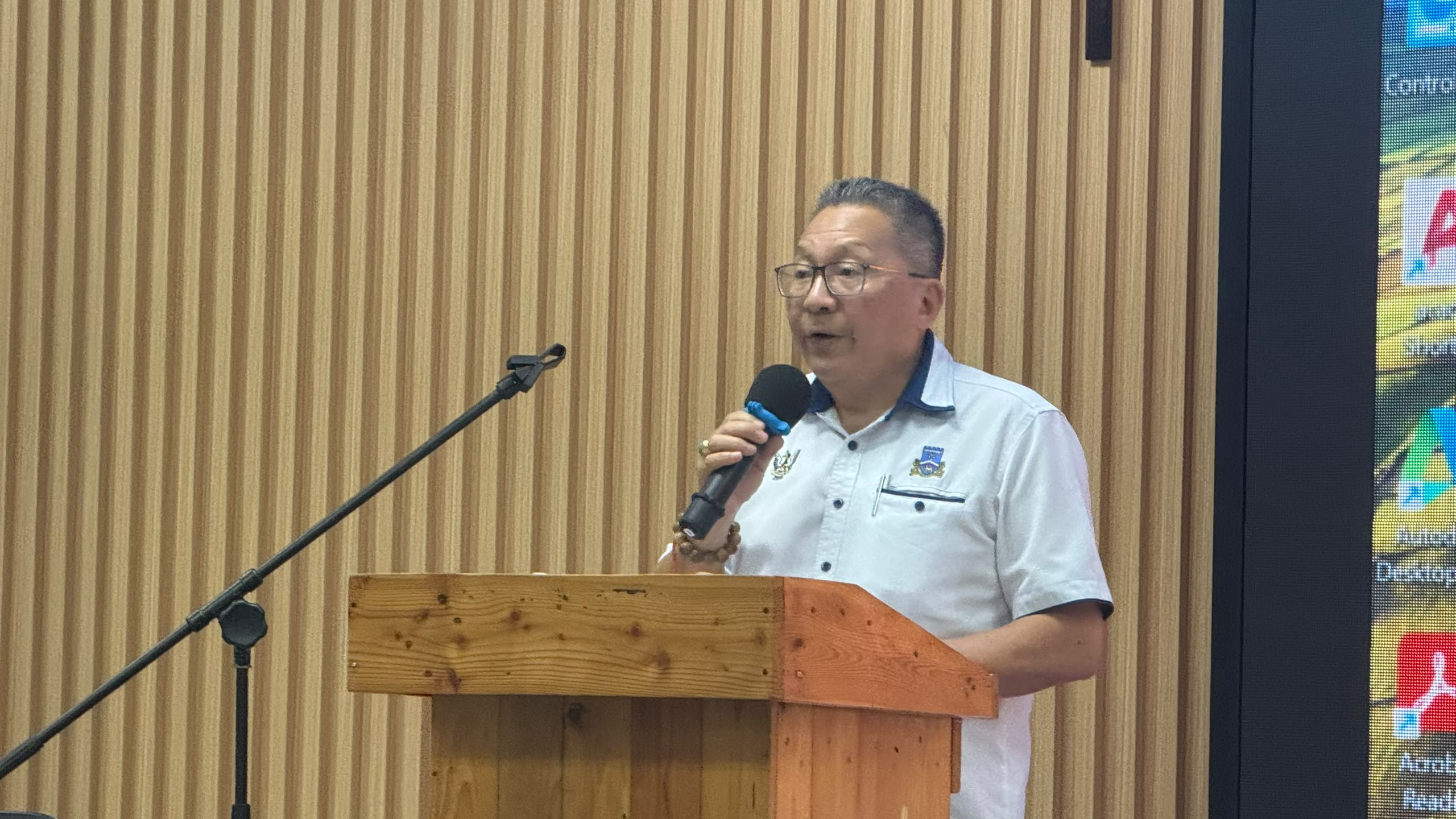
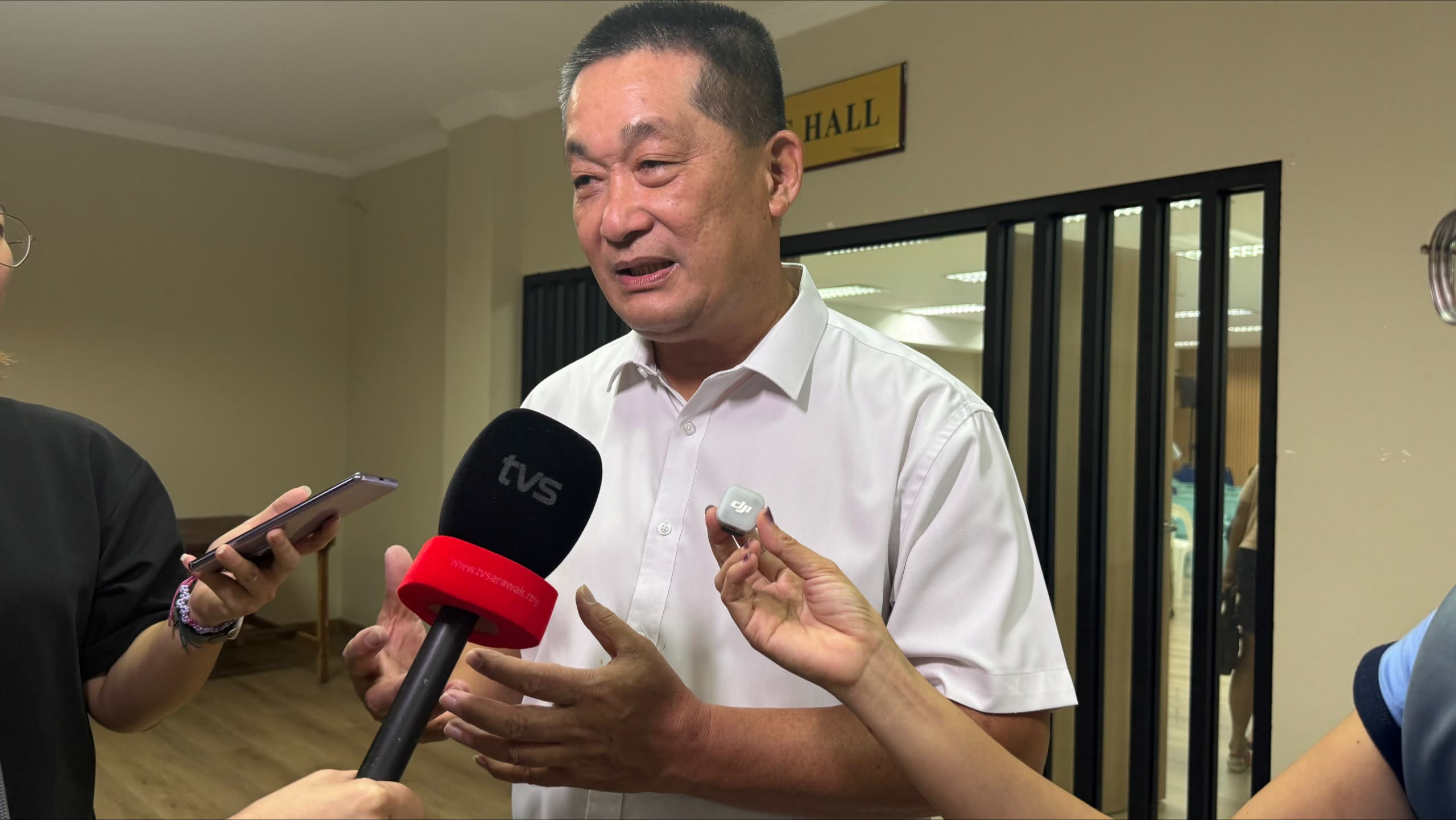
“Residents will be able to understand what specific works are being carried out around their neighbourhoods, whether it involves widening drains, building detention ponds or widening Sungai Maong Kiri,” he said this when met by reporters after a town hall session on the Sungai Maong Kiri flood mitigation project at the Association of Churches here on Thursday (Nov 12).
See said the session was organised to help residents understand the project’s scope, technical details and the specific works planned in their respective neighbourhoods.
See noted that flash floods had caused considerable inconvenience to residents, particularly those who had to move their vehicles to higher ground whenever heavy rain occurred at night.
He said the project is designed to address flash flood risks based on rainfall volumes and other factors, with the aim of significantly improving the area’s flood management capacity.
He added that the project represented a major state investment in flood mitigation, made possible by Sarawak’s improved financial resources.
“In the past, many drainage and irrigation projects depended on federal funding, which often took a long time to materialise and was only sufficient for smaller-scale works such as monsoon drains.
“This is a much bigger project, costing RM100 million, which will address a major part of the problem, particularly where existing drains connecting to Sungai Maong Kiri are too small to accommodate the volume of water,” he said.
On the project’s implementation, See said it had been tendered and preliminary works had begun, including preparations to remove existing facilities within the project area and work on a detention pond.
The project is expected to take 36 months to complete.