“The issue is not the deficit. The issue is debt payments.”
KUCHING: Malaysia’s rising debt servicing costs are eating into government revenue, leaving less money for development even as the country moves towards a smaller fiscal deficit.
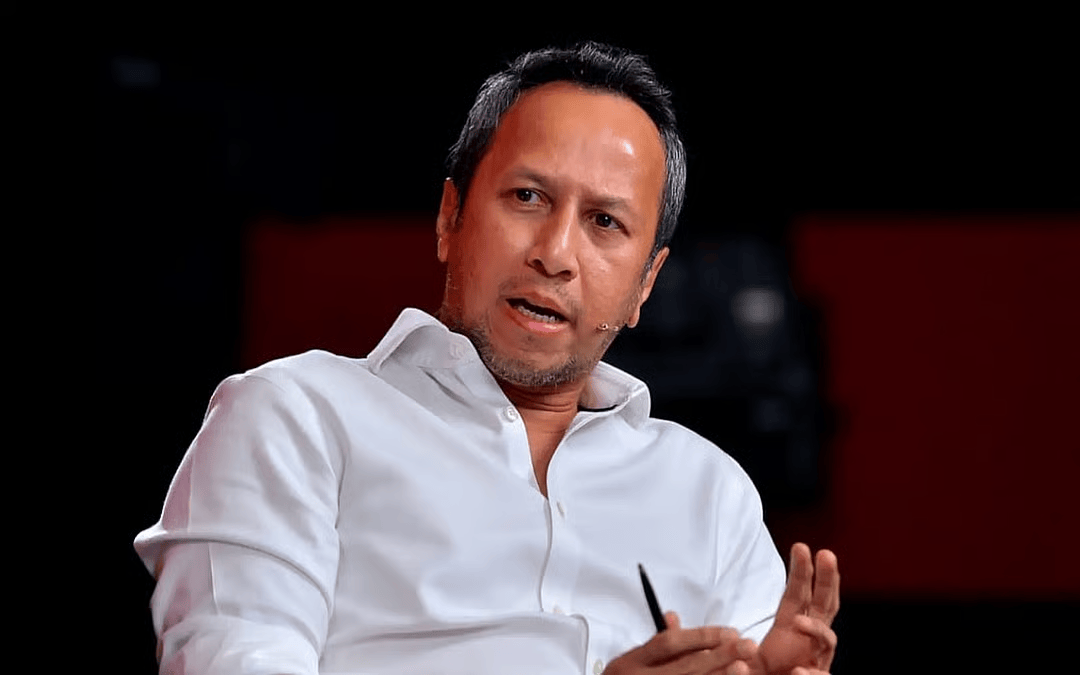
Economist Dr Muhammed Abdul Khalid said approximately RM17 of every RM100 collected by the government now went towards servicing debt, compared with a much smaller share in previous years.
“Of every RM100 we collect, RM17 goes towards paying debt. Previously, it was RM10, RM11, RM12, RM13, RM14, RM15 and RM16. Now it is RM17.
“This means the money we use to pay debt is increasing, while the amount available for other purposes is getting smaller,” he said in The Tiger Show Podcast on Budget 2027.
According to the Ministry of Finance’s Budget 2027 estimates, federal revenue is projected at RM380.8 billion against operating expenditure of RM376.8 billion, leaving approximately RM4 billion before development spending.
The government has allocated RM83 billion for federal development expenditure next year.
Muhammed said salaries, pensions, debt servicing and other recurring commitments were absorbing almost all government revenue, leaving limited resources to finance development.
He warned that continued reliance on borrowing required closer scrutiny, particularly over whether the funds were being directed towards projects capable of generating lasting economic benefits.
“We cannot borrow forever. Borrowing is not a sin, but unproductive borrowing is a problem,” he said.
He stressed that borrowing could be justified when it financed productive investments that supported future economic growth.
“If we borrow to build schools, hospitals, roads and infrastructure that can generate future economic growth, that is acceptable,” he said.
However, borrowing to cover recurring expenditure could add to long-term fiscal pressures without strengthening the country’s productive capacity.
Muhammed also cautioned against treating a smaller fiscal deficit as sufficient evidence of healthier government finances.
The deficit is projected to narrow to 3.3 per cent of gross domestic product (GDP) in 2027 from an estimated 3.6 per cent this year, bringing the government closer to its target of three per cent in 2028.
He said the improvement partly reflected economic expansion, while rising debt servicing obligations continued to weigh on public finances.
“The issue is not the deficit. The issue is debt payments,” he said.
Muhammed maintained that sustainable public finances depended not only on reducing borrowing but also on ensuring government spending contributed to long-term economic productivity.