KUALA LUMPUR: Malaysia’s startup scene is getting a RM44 million boost as Zoho Corporation and Cradle Fund team up to help founders go digital and scale their businesses.
Under a Memorandum of Understanding (MoU) between the global technology company and Cradle Fund, the agency behind the national MYStartup platform, the collaboration will provide early-stage businesses with access to more than 55 integrated business applications through the Zoho for Startups programme.
The initiative also includes mentorship, training, and community-based learning designed to help founders build resilient operations and use digital tools effectively.
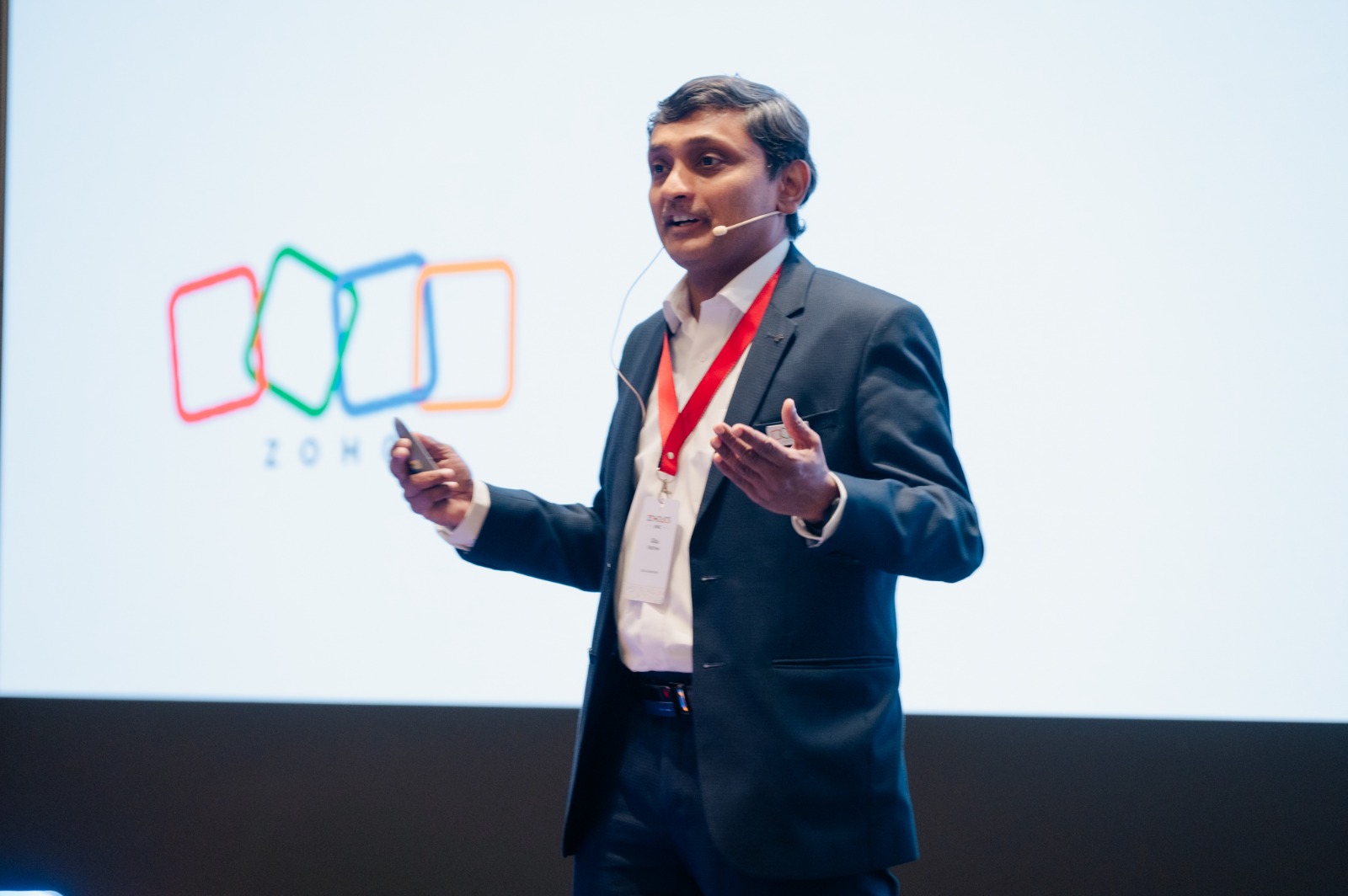
Zoho Corporation Vice-President and General Manager for Asia Pacific, Gibu Mathew, said the partnership reflects the company’s belief that technology should act as an enabler, not a barrier.
“Startups not only need affordable tools but also the knowledge to use them effectively,” he said.
He said the programme forms part of a broader effort to strengthen Malaysia’s startup ecosystem, which plays a major role in the economy.
He noted that SMEs make up 97 per cent of registered businesses, employ 48 per cent of the workforce, and contributed 39.1 per cent to GDP in 2023.
He added that startups, which form a growing subset of SMEs, are expected to contribute RM30.8 billion to GDP by 2030.
Mathew noted that Malaysia’s digital economy is expanding rapidly, with SME and startup development identified as a key national priority.
He said strategies such as the Thirteenth Malaysia Plan and the MSME Strategic Plan by SME Corp are aligned with the ASEAN Economic Community (AEC) Strategic Plan 2026-2030, which recognises SMEs and startups as engines of regional growth.
According to him, these frameworks promote innovation, inclusivity, and sustainability across a digital-first economy.
“Yet despite this policy focus, many SMEs and startups continue to face barriers to scaling up, including limited access to affordable digital tools, fragmented systems, and outdated hardware,” he said.
He added that enterprises in rural and underserved regions often struggle with slow internet connectivity, limited mentorship opportunities, and funding constraints. The AEC plan also points to regional challenges such as inconsistent regulations and the lack of harmonised cross-border digital trade rules, which leave startups uncertain about where to begin.
He said effective partnerships between government agencies, private-sector platforms, and ecosystem enablers are crucial to bridging these capability gaps.
“Collaborations like these ensure that founders are not left to digitise alone but are supported with the context and skills needed to use technology effectively,” he said.
He added that the Zoho-Cradle initiative offers a scalable model for ecosystem-wide transformation, allowing startups to adopt technology with guidance rather than in isolation.
Malaysia’s ambition to become a leading digital economy in Southeast Asia places SME empowerment at the centre of its growth strategy.
Mathew said technology alone is not enough and that implementation, context, and continuity are equally vital.
“When applied correctly, digital adoption becomes an accelerant, powering job creation, innovation, and competitiveness across Malaysia and the wider ASEAN region,” he said.
He pointed out that through initiatives such as Zoho for Startups, more Malaysian founders are building lean, resilient, and future-ready businesses capable of regional expansion.
“With tools such as multicurrency accounting, cross-border payment integration, and improved digital readiness, local entrepreneurs are now better equipped to compete globally as Malaysia works towards its goal of becoming a high-income, innovation-driven nation.”