THE inaugural Ujian Penilaian Dual Language Programme Sarawak (UPDLP) results have brought to light persistent challenges in STEM education in rural Katibas, sparking calls for state-level intervention to address infrastructure gaps affecting student performance.
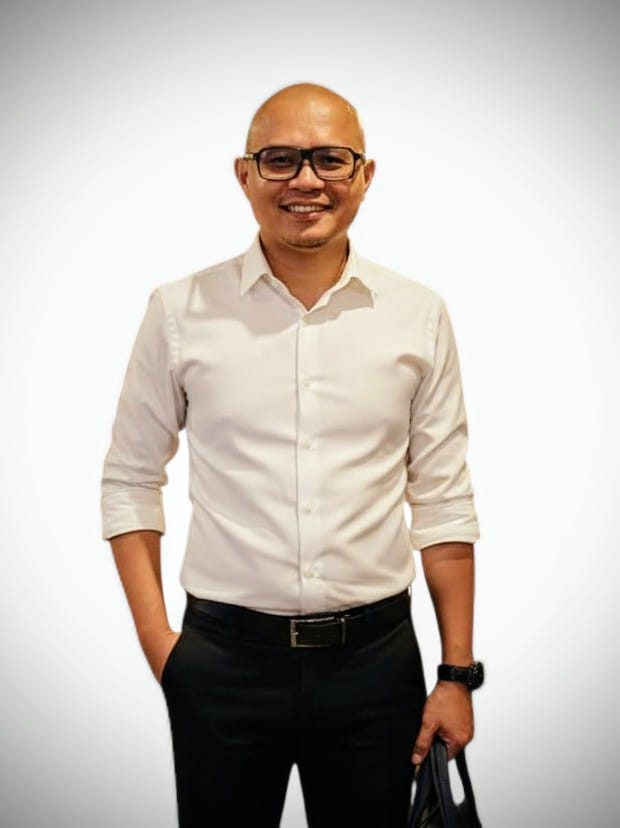
Katibas assemblyman Lidam Assan described the UPDLP findings as ‘shocking’ and a wake-up call for policymakers.
“The results have shocked many of us as parents and stakeholders.
“They are not encouraging for STEM subjects, especially science and mathematics,” he said during the debate on the State Budget 2026 at the DUN sitting today.
Lidam linked the poor outcomes directly to the lack of facilities in rural schools.
“I understand the shortcomings faced by rural schools, including facilities such as science laboratories.
“We cannot expect strong results when students do not even have access to the tools needed for learning,” he said.
He warned that without timely intervention, rural students risk falling further behind their urban peers.
“Our children must not be disadvantaged simply because of where they live. This is an inequality that we must correct,” he said.
To address this, he proposed the construction of shared STEM facilities for the three secondary schools in Katibas, a practical model he believes would significantly uplift science education.
“Building shared facilities for the three secondary schools in Katibas is a practical and effective intervention.
“With shared laboratories, every student can benefit, regardless of their school’s resources,” he added.
Lidam also called on the Ministry of Education, Innovation and Talent Development (MEITD) to treat this as a priority.
“I request MEITD to intervene and ensure our students receive the support they need.
“We must strengthen STEM learning so that rural youth can pursue future opportunities in science, engineering and technology,” he urged.
He stressed that education remains the foundation for long-term rural development.
“Education is the great equaliser. When we strengthen STEM education in rural areas, we are not just improving exam results; we are shaping the future of our children,” he said.