SIMUNJAN: The RM65-million Sabal Complex is expected to be completed by 2028, providing modern facilities to support eco-tourism, recreation and forest research at the Sabal Forest Reserve.
Premier Datuk Patinggi Tan Sri Abang Johari Tun Openg said the funds had already been approved, with documentation prepared by the Forest Department Sarawak (FDS) to allow construction to begin.
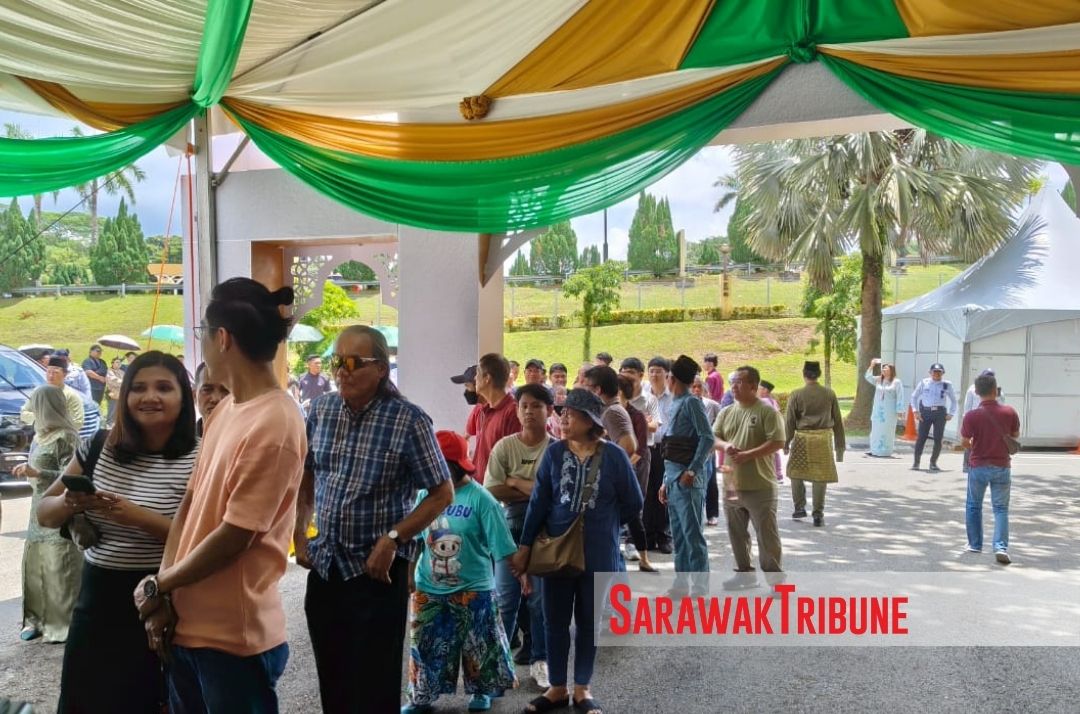
“The money has been approved, the documents are ready; we only need to build. Hopefully by 2028 the Sabal Complex will be completed,” he said when officiating at the launch of Sabal Forest Reserve as an eco-tourism destination and the 2025 edition of Sabal Open Day, here today.
Abang Johari said the complex would provide facilities for visitors while strengthening Sabal’s role as a nature-based destination.
He noted that Sabal’s location along the Pan Borneo Highway made it an accessible weekend recreation spot for families from Kuching.
“When I first visited this site, I told Datuk Hamden Mohammad to expedite the project so that we can provide proper facilities to visitors.
“Sabal is a good place for therapy, where people can come to recover in the middle of the forest,” he said.


He added that Sabal’s natural forest distinguished it from artificial parks elsewhere.
“Other places may try to replicate nature by planting a few trees and creating an artificial environment.
“Here we are natural – our forests are original, and their yield is higher. The yield is oxygen and the capacity to act as a carbon sink,” he said.
The Premier said Sabal Forest served both as a recreational space and as a research reference for carbon absorption.
He asserted that the forest provided opportunities to replant degraded areas more quickly, making it a model for conservation and carbon trading under the new economic regime.
“This is part of our nature-based solution. We can showcase our work to the world, and with it, enhance our position in carbon trading,” he said.
Abang Johari said future facilities such as camping and caravan sites with electricity, water and gas would attract eco-tourists seeking outdoor experiences beyond hotels and apartments.
“If they want hotels or apartments, we have those. But for those who prefer the outdoors, there will be campsites and caravans. When they wake up early in the morning, they can exercise in the cool air. Even at midday it will still be cool under the trees,” he said.
The Premier also linked the project to Sarawak’s human capital development agenda, saying the state’s free tertiary education programme would produce more graduates in forest science and research.
“With that intellectual resource, our research will add value to our natural assets,” he said.
Earlier, Forest Department director Datuk Hamden Mohammad said the complex would include research centres, laboratories, CEPA facilities, accommodation and recreational infrastructure.
“These facilities will not only support departmental activities but also be open to researchers, students, tourists and the wider community.
“The Sabal Complex is more than just a building; it is a new landmark that elevates the role of forests as a field of knowledge, a recreational destination and a driver of Sarawak’s green and sustainable economy,” he said.