KUCHING: The Sarawak United National Youth Organisation (SABERKAS) continues to strengthen its role as the largest youth non-governmental organisation (NGO) in the state by implementing 162 programmes over the past seven months.
The matter was announced following the 60th SABERKAS State Meeting, attended by branch representatives from across Sarawak, including ministry officials and permanent secretaries.
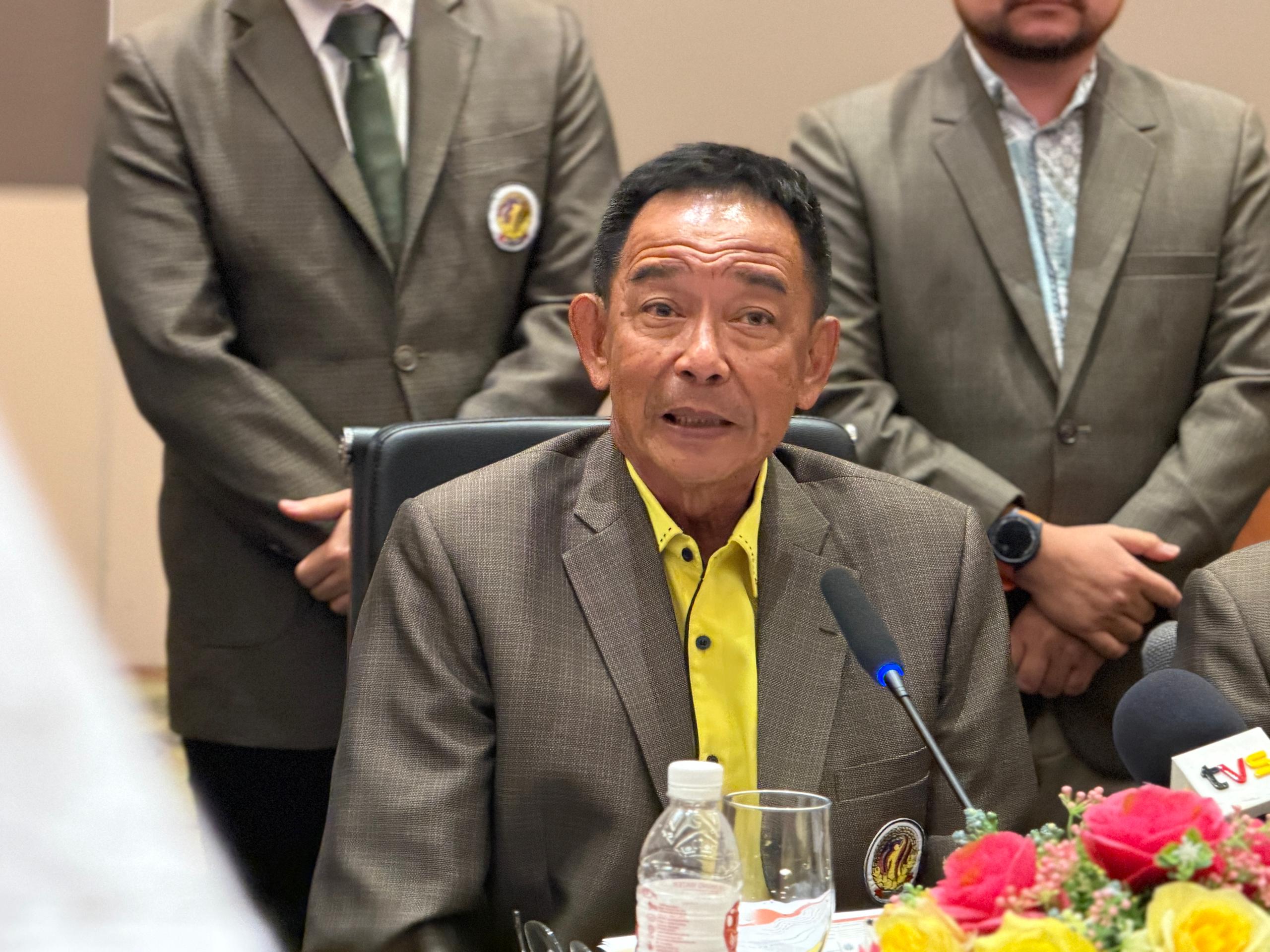
“From July 2025 to January 2026, a total of 162 programmes and activities were carried out at the state, branch and unit levels,” said SABERKAS president, Datuk Seri Abdul Karim Rahman Hamzah.
Abdul Karim said this during a press conference for the 60th SABERKAS Sarawak Supreme Council Meeting at UCSI Hotel here today.
He said that of the total, 27 comprised workshops, seminars and briefings, 62 involved sports and recreational activities, while 50 focused on social and welfare initiatives.
He added that SABERKAS also organised 17 training and education programmes, five women-focused initiatives and one entrepreneurship and economic development programme during the period.
“In the past, participation may have been limited, including from the Chinese community, but today we see more inclusive involvement from all races.”
He noted that programmes are held almost every week throughout Sarawak, reflecting the strong commitment of leaders and members at the grassroots level.
In terms of upcoming plans, the SABERKAS President’s Cup Futsal Championship is scheduled to take place from May 1 to 3 in Kuching and Samarahan.
“The organisation’s signature Bubur Lambuk programme will also continue, involving branches in various areas regardless of the local community’s ethnic background.
“As of Jan 31, 2026, SABERKAS recorded 56,750 registered members, including 1,387 members through newly established units in higher learning institutions,” Abdul Karim added.
“Although we are a youth NGO with an age limit of 40 and below, up to 30 per cent of committee members may be above 40.”
Commenting on the appointment of community leaders and village chiefs (KMKK), he stressed that the process is conducted through background assessment and evaluation rather than elections.
“We want leaders who are knowledgeable, of good character and understand their communities, with a reasonable age limit,” Abdul Karim added, expressing support for improved allowances for the KMKK.