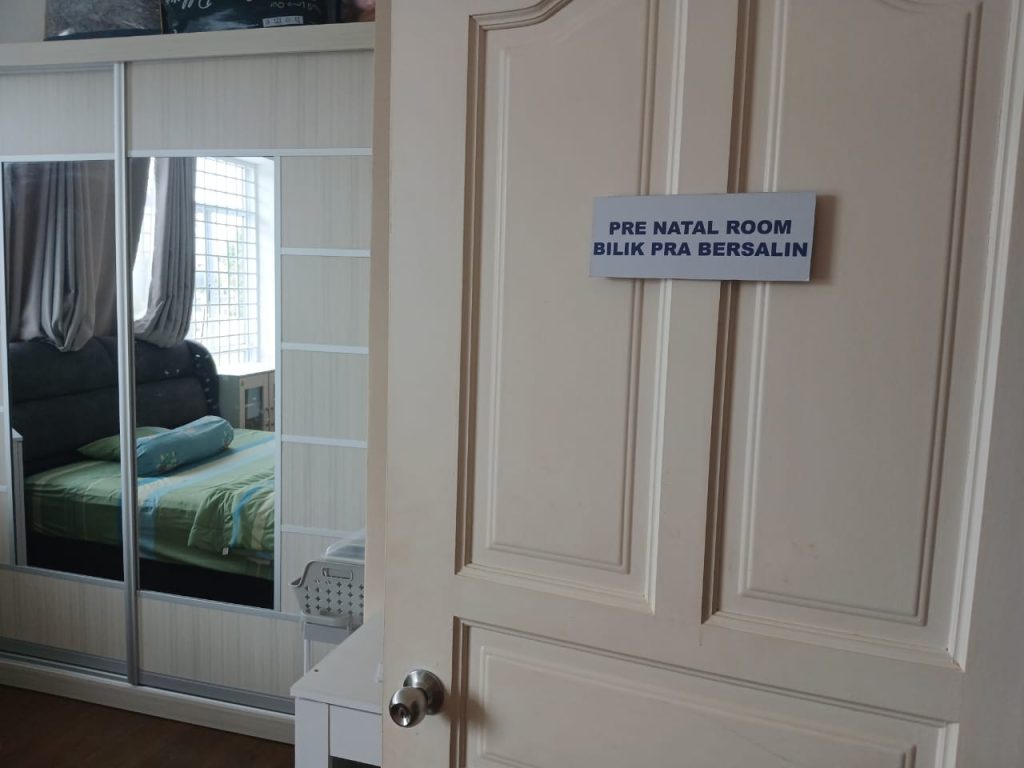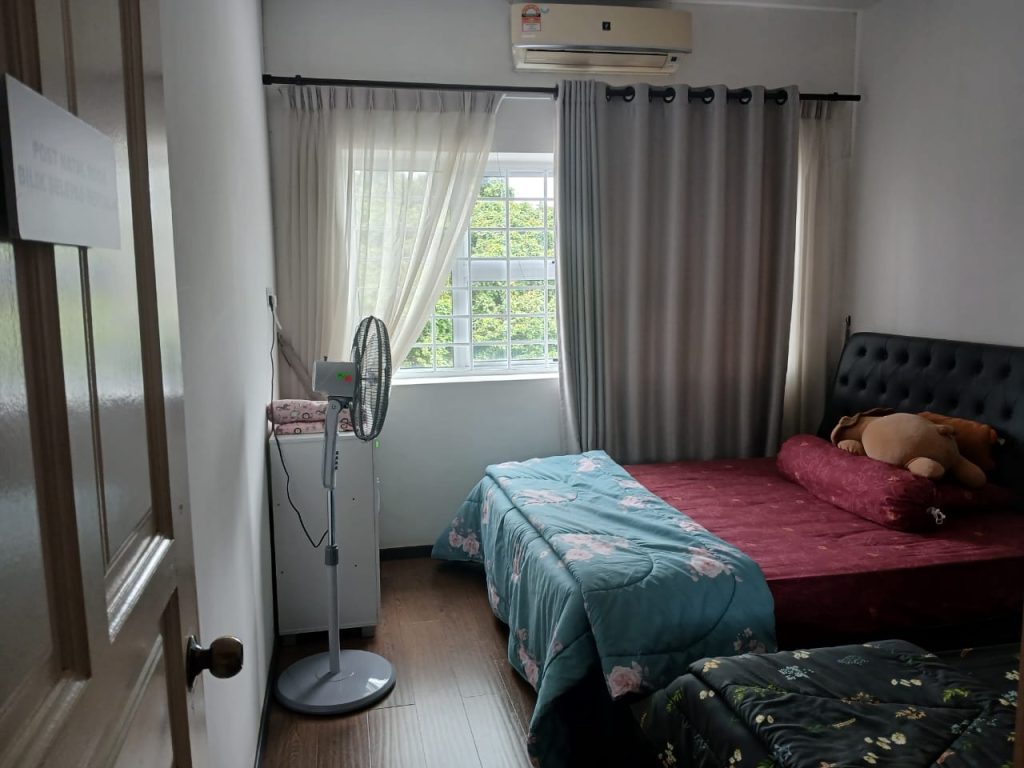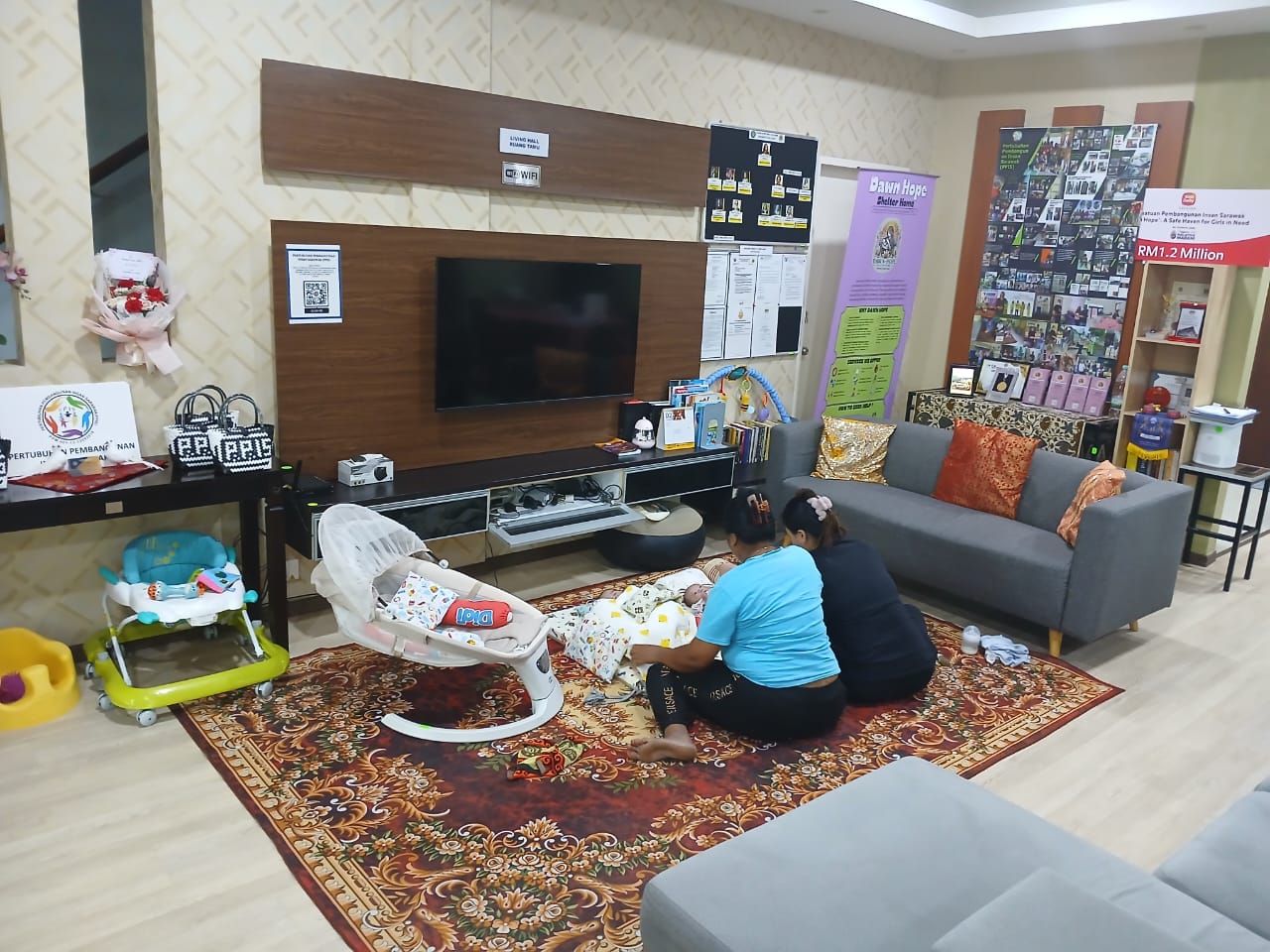
IN a quiet corner of Sarawak, a shelter named Dawn Hope Care Centre (Shelter Home) is offering refuge to especially teenage girls facing out-of-wedlock pregnancies, providing them with safety, medical care and a second chance at life.
Operated under Pertubuhan Pembangunan Insan Sarawak (PPIS) and supported through RM1.2 million in funding from the Ministry of Finance, the centre’s allocation is managed and distributed by Yayasan Sime Darby.
The shelter is a non-profit organisation dedicated exclusively to unmarried pregnant teenagers across Sarawak.
“Teenage pregnancy is the highest in Sarawak among other states.These girls have nowhere to go. Here, when they come in, it is a form of love. We don’t judge you. We don’t make remarks. We help you,” said the founder who is also the shelter manager, Manjeet Sidhu.
Private and confidential safe haven

Unlike government institutions that require court orders, Dawn Hope operates on a strictly private and confidential basis.
Teenagers can contact the shelter themselves, or be referred by the Health Ministry, Social Welfare Department, or even the police.
“If there is a rape case, procedures can be very long. Here, there is no need to go up and down. We have professionals under one roof, police officers who work with us, hospital matrons, childcare staff. Everything is handled discreetly,” she said.
Parents must sign a consent form before their admission. The shelter accepts girls up to 25 years of age, with some flexibility under special consideration, provided they are unmarried.
Some residents are school dropouts bullied by peers or raised in broken families. Others are college students terrified of bringing shame upon their households. There are also girls from remote villages whose pregnancies remain unknown to their communities even after delivery.
“Until today, people in the village do not know she has given birth, the parents decided to send her here quietly. After delivery, she left. Her dignity was protected,” Manjeet said of one case
Care, not condemnation
At Dawn Hope, residents affectionately called ‘Carelins’ instead of inmates, are treated like daughters.
Each girl receives insurance coverage paid for by the shelter. Monthly prenatal check-ups are arranged in coordination with public health clinics. Social workers accompany them to appointments and any important documentation that needs attention. Cleaners, wardens and religious teachers are on shift, and Muslim residents are guided by an ustazah who comes in three times a week.
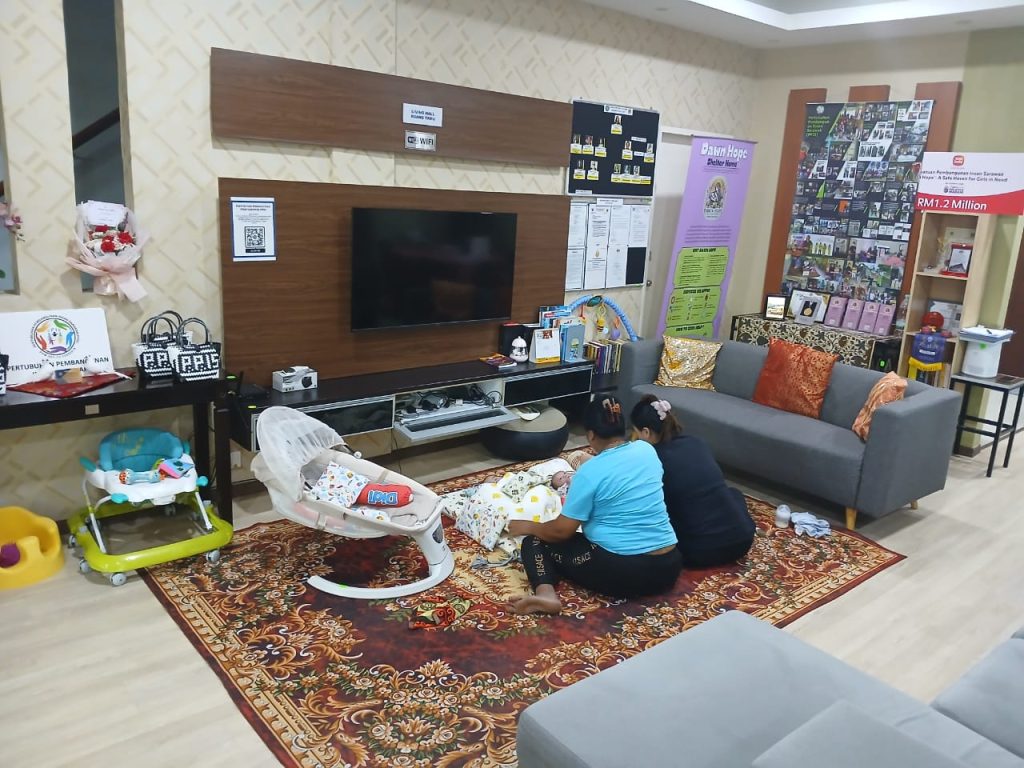
After childbirth, the girls return to the shelter for confinement, 40 days for normal delivery and 60 days for caesarean cases. For 40 days, they are allowed to rest completely while wardens care for their newborns. The facility even includes spa services for postnatal recovery.
“They don’t have to do anything. We look after everything, they rest, they heal,” she said.
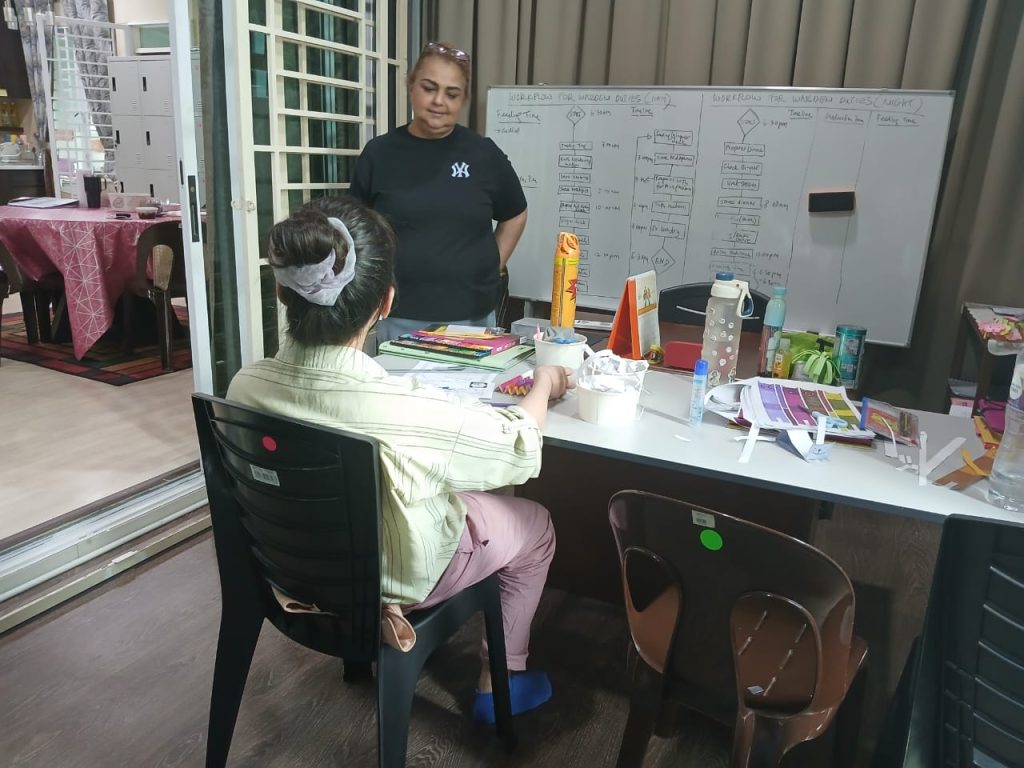
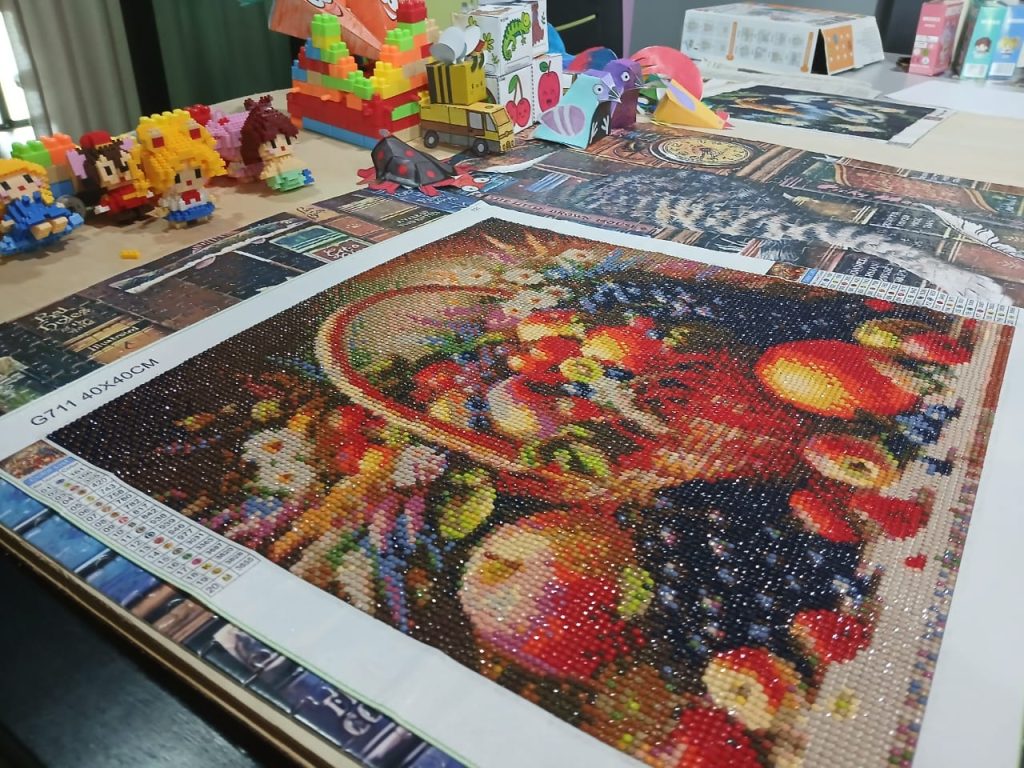
Therapy sessions such as colouring and guided activities help ease anxiety. Teachers assess their academic levels to prepare them for returning to school or college. Those lacking basic literacy and numeracy are coached patiently.
“Our first girl from Simunjan, she couldn’t even do simple maths. She was too distracted, too lost,” she recalled.
“Now we are building her confidence step by step.”
Protecting the most vulnerable
Some cases are deeply troubling. The shelter has received victims of statutory rape, drug-related pregnancies, and incest.
One current Carelin was assaulted by her uncle. After delivering her baby, who will be placed for adoption, the shelter manager refused to send her back to what she described as an unsafe home.
“I saw her condition. Poor environment. Not enough food. Divorced parents. She was not protected. I enrolled her in skills courses. She wants to learn baking. I will send her to the Sarawak Women and Family Department (JWKS), for short courses and continue in CENTEXS. She will collect certificates. She will not go back there yet,” she said.
For girls with drug histories, additional medical scans are conducted to check for complications affecting the foetus, with expenses sometimes borne directly by the shelter.
Adoption procedures are strict. Prospective parents must earn at least RM8,000 monthly, provide proof of infertility, own a home, and commit to raising the child for life.
The shelter follows up for three years to ensure the child’s welfare and education.
“No such thing as taking the baby and making the child a punching bag, no such thing as adopting and returning the child four years later. We do not allow that,” she said firmly.
Birth certificates are processed promptly to prevent statelessness. If the baby is adopted, both parties sign documents at the District Office but are not allowed to meet, to prevent future disputes.
Second chance at life
After confinement, the girls are fitted with contraceptive implants to prevent repeat pregnancies.
Manjeet said she negotiated with the Ministry of Health to do free procedure for the Carelins as it could fetch between RM500 to RM700, outside.
“We tell them, do not repeat what you have done before. This is your second chance.”
The shelter is also preparing to launch Sarawak’s first baby hatch attached directly to a girls’ care home, a move already approved, with renovations set to begin after Hari Raya.
“This place is entirely like a home,” she said, adding, “when society closes the door on them, we open it.”
For many of Sarawak’s most vulnerable young women, frightened, ashamed and often abandoned, Dawn Hope lives up to its name: a fragile dawn after a dark night, and hope when they need it most.
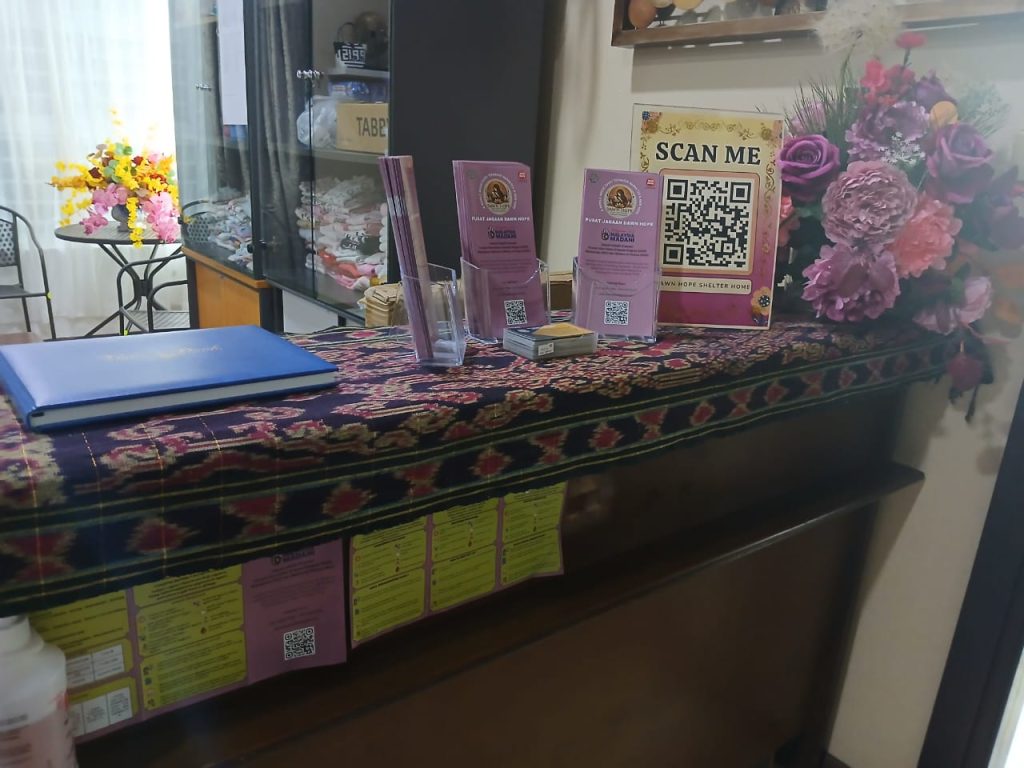
Those seeking help or more information can call Dawn Hope at 011-26202368 or 014-6926123.