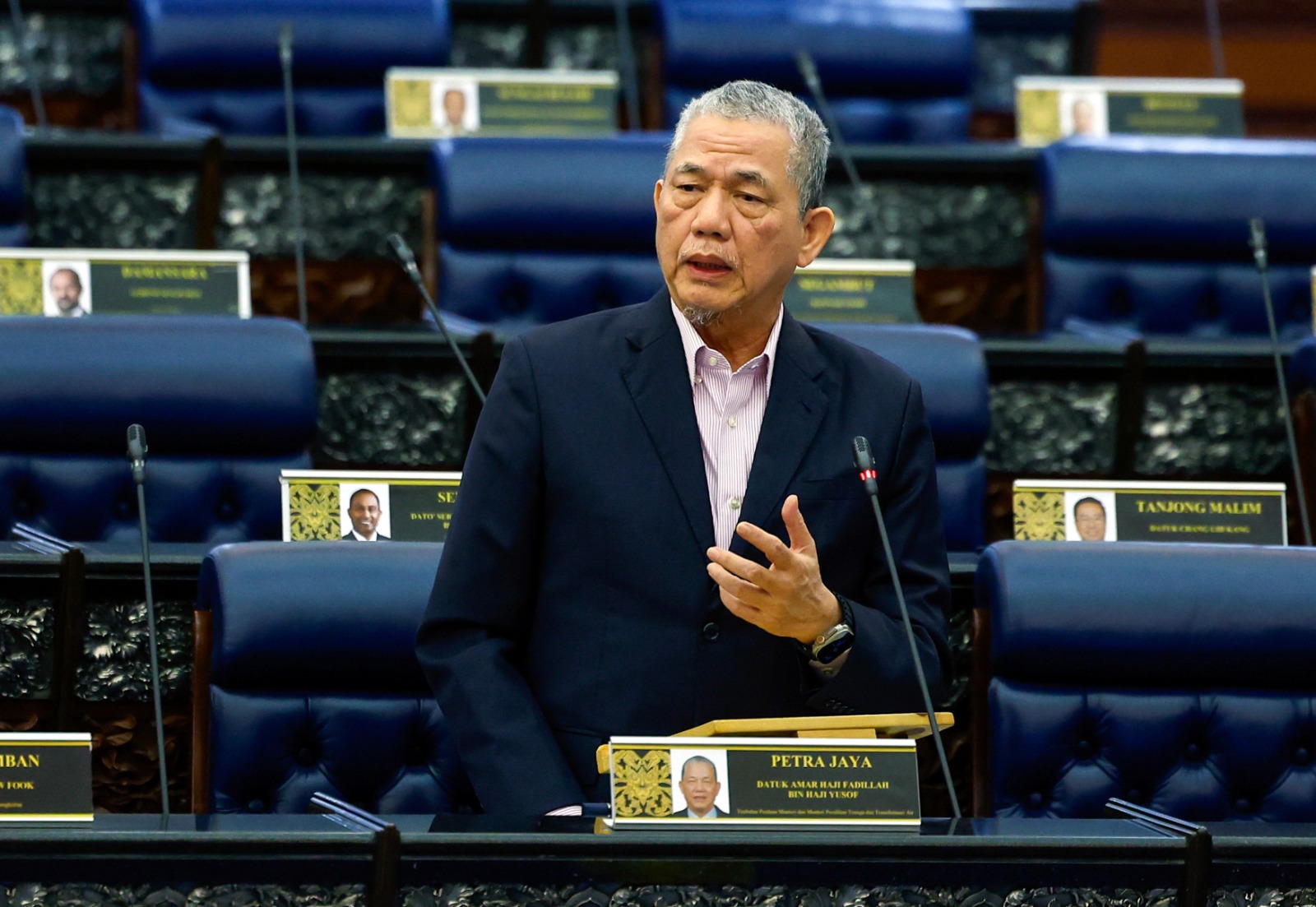
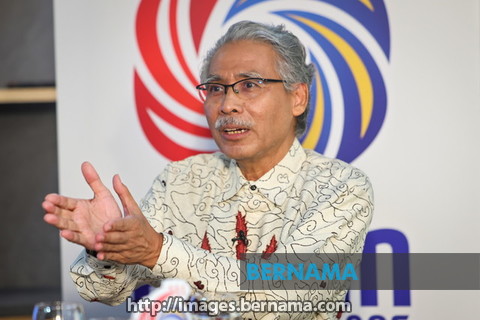
KUCHING: Teachers and students must both be supported, in terms of their well-being, if young people are to thrive.
Education, Innovation and Talent Development Minister Datuk Seri Roland Sagah said the health, motivation and resilience of teachers directly shape the learning environment and student outcomes.
“If we want our young people to thrive, then we must support the well-being of both teachers and students.
“Their health, motivation and resilience are interconnected, and sports science plays a crucial role in addressing these challenges,” he said in his speech, read by Deputy Minister Datuk Dr Annuar Rapaee during the opening of the 11th Asia-Pacific Conference on Exercise and Sport Science (APCESS 2025) here today.
Sagah noted that teachers today are facing heavier workloads with new expectations arising from digital learning and the ongoing task of supporting students dealing with post-pandemic academic and emotional challenges.
“Students, meanwhile, are grappling with physical inactivity, stress, screen dependency and unequal access to sports and health programmes, particularly between urban and rural communities,” he said.
As part of efforts to reduce stress among students, he said Malaysia has reduced the number of school examinations, acknowledging concerns that excessive assessments contribute to pressure on learners.
Beyond the central issue of educator and student well-being, Sagah said the theme of APCESS 2025 — Active Innovative Pathways and Collaborative Practices in Exercise and Sport Science for Holistic Health and Well-being — reflects a global shift towards viewing health as more than physical fitness.
“Well-being today encompasses mental health, emotional resilience, social connection and access to meaningful learning experiences, a perspective that is highly relevant to Sarawak and Malaysia’s goal of nurturing healthy, resilient and future-ready youth,” he said.
Sagah also highlighted the unique challenges faced by rural schools in Sarawak, noting that out of about 1,200 primary schools, more than half are small schools with fewer than 180 students, some with only four or five pupils.
He urged conference delegates to explore simple, scalable physical activity models that require minimal equipment but deliver meaningful impact.
“I encourage the development of evidence-based frameworks to support teacher well-being, the use of digital tools and wearable technology for personalised health monitoring, and stronger integration between physical activity and mental health research,” he said.
In addition, Sagah called for stronger community–school partnerships involving local councils, NGOs, parents, sports clubs and universities, as well as the embedding of cultural and indigenous perspectives through traditional games and movement practices.
“As we reaffirm our shared commitment to holistic health and well-being, let us support teachers with the tools, training and emotional support they need to thrive, and imagine classrooms where students are active, resilient, confident and connected,” he said.
Sagah expressed hope that the discussions, collaborations and innovations emerging from APCESS 2025 would help shape the future of sports science education in Sarawak, Malaysia and the wider Asia-Pacific region.